Western United States — The annual North American monsoon is strengthening across the western United States, bringing much-needed moisture to drought-affected areas while also increasing the threat of dangerous weather, including lightning, flash flooding, powerful wind gusts and dust storms.
Meteorologists say monsoon-driven thunderstorms are expected to continue across much of the Interior West through the remainder of July, offering temporary relief from dry conditions but creating several weather hazards that residents and travelers should closely monitor.
Why the North American Monsoon Is So Important
Each summer, intense heating over the Southwest changes the region’s typical wind pattern.
Instead of winds flowing primarily from the west or north, atmospheric circulation shifts to the south, pulling moist air northward from the tropical Pacific Ocean and the Gulf of America.
That additional moisture fuels afternoon and evening thunderstorms across states including Arizona, New Mexico, Utah, Nevada, Colorado and parts of surrounding regions.
This year’s monsoon is especially significant because much of the West experienced below-average snowfall last winter, resulting in reduced spring snowmelt and lower-than-normal water supplies entering rivers and reservoirs.
For many communities, summer rainfall provides an important supplement to already strained water resources.
Heavy Rain Brings Multiple Weather Threats
Although monsoon rainfall can benefit vegetation and water supplies, forecasters warn that the storms can quickly become dangerous.
Early-season thunderstorms often produce strong wind gusts capable of creating blowing dust and sharply reducing visibility on highways.
Lightning is another major concern, particularly when storms produce little rainfall. Dry lightning strikes can ignite new wildfires before widespread soaking rain develops.
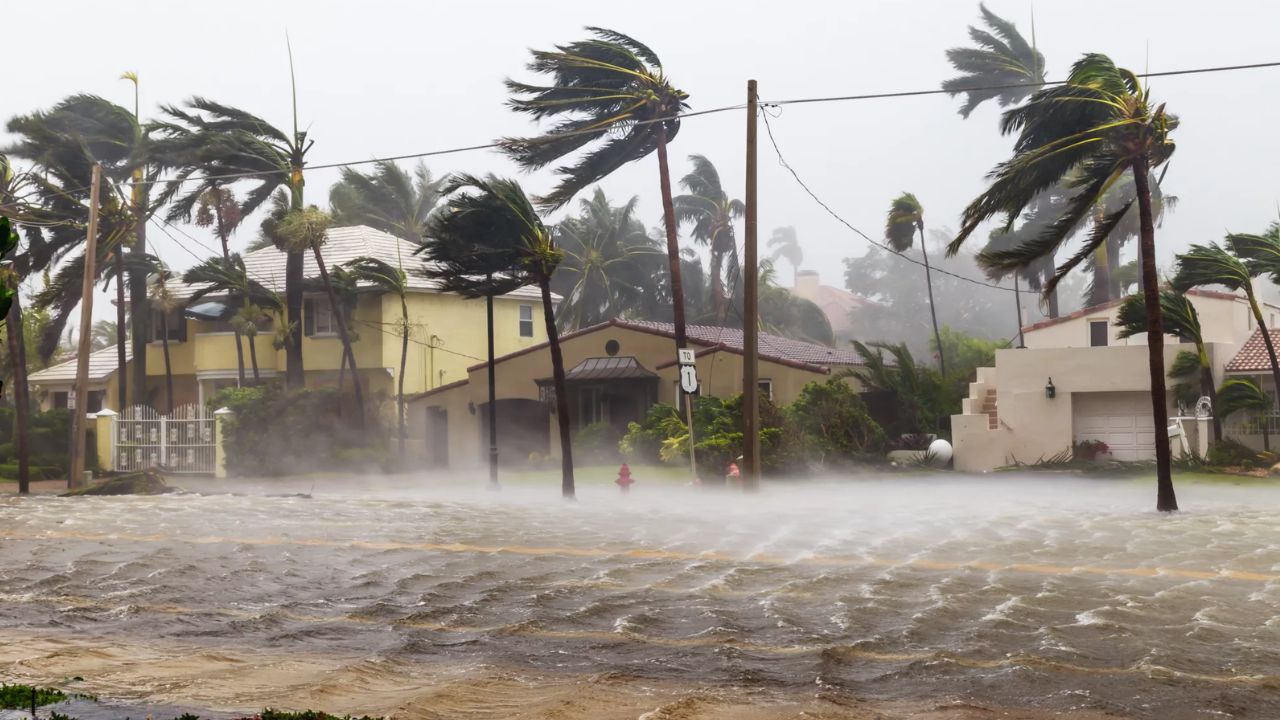
Meteorologists also warn that repeated thunderstorms or intense downpours can overwhelm dry, hardened ground, causing rapid runoff, flash flooding and debris flows, especially in mountainous areas, canyons and recent wildfire burn scars.
Hikers and Drivers Urged to Stay Alert
Outdoor enthusiasts are encouraged to closely monitor weather conditions during monsoon season.
Experts advise hikers to leave exposed ridges and higher elevations by late morning, as thunderstorms frequently develop during the afternoon and can bring dangerous cloud-to-ground lightning with little warning.
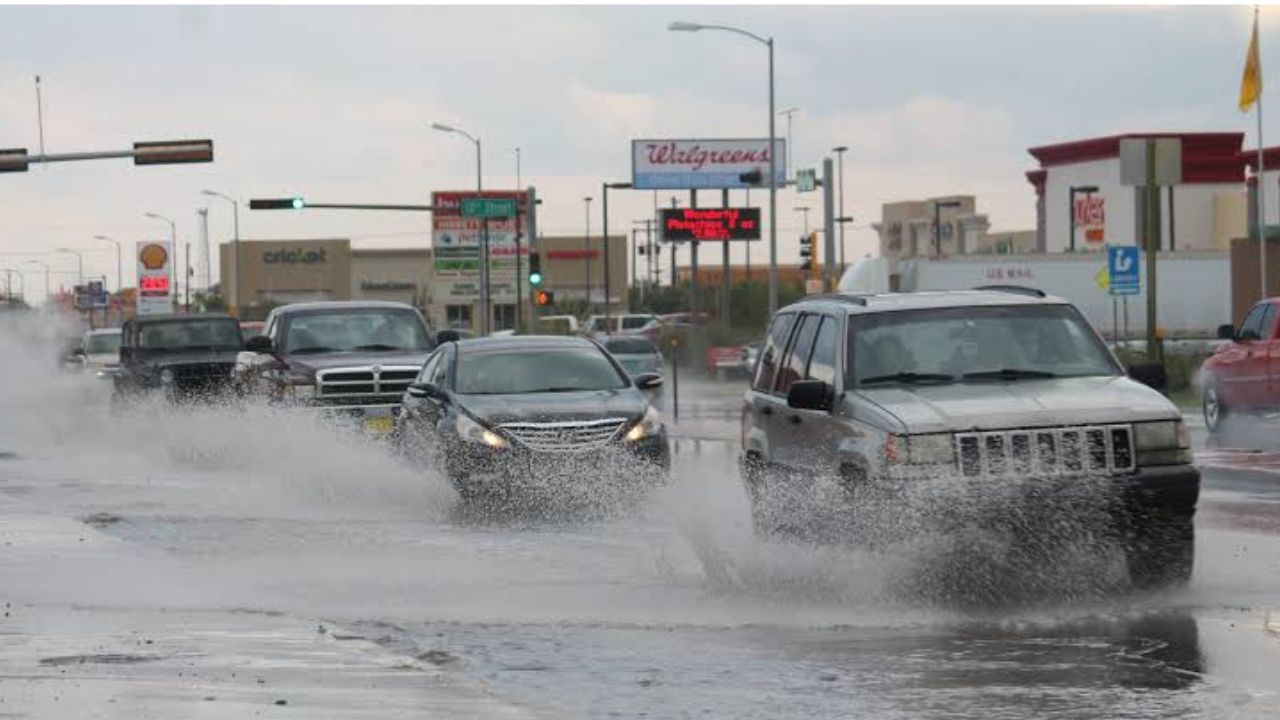
Drivers should also avoid attempting to cross flooded roadways or dry washes that can suddenly fill with fast-moving water even when skies appear clear nearby.
Officials note that weather conditions can change rapidly during monsoon storms, making preparedness especially important.
Monsoon Won’t End the West’s Water Challenges
Despite bringing periodic rainfall, experts say the North American monsoon is not expected to eliminate the region’s long-term water shortages.
Meteorologists explain that monsoon storms are often isolated and inconsistent, meaning some communities may receive heavy rainfall while nearby areas remain dry.
“Downpours can temporarily boost water levels in rivers, lakes and reservoirs,” meteorologists noted. “The problem with the monsoon-based thunderstorms is that the rainfall is sporadic and often may not occur on a daily basis.”
Experts also emphasize that winter snowfall remains the most important source of water for much of the western United States. Even during years influenced by El Niño, there is no guarantee that enough mountain snow will fall to significantly improve conditions across the Colorado River Basin.
If another dry winter develops, officials warn that hydroelectric power generation at some Colorado River dams could be reduced, potentially affecting both electricity production and water supplies relied upon by millions of people throughout the Southwest.
Are you experiencing monsoon storms where you live? Have you noticed heavy rain, lightning or dust storms in your area? Share your experiences and safety tips respectfully in the comments below.