Honolulu, Hawaii — Forecasters are keeping a close eye on a tropical disturbance that could become the next named storm in the eastern Pacific and potentially move toward Hawaii later this month. While there is still considerable uncertainty, meteorologists say the developing system could bring hazardous weather to parts of the islands if it follows the projected path.
The potential threat comes as the 2026 Pacific hurricane season remains active, fueled in part by a strengthening El Niño pattern.
Tropical Development Could Begin Next Week
Meteorologists say they are monitoring two areas of disturbed weather in the eastern Pacific that could organize during the second week of August.
According to forecasters, Aug. 10-12 is the most likely period for one tropical wave to develop into a more organized system.
If that happens, atmospheric steering winds could gradually guide the system westward, placing Hawaii in a possible impact window around Aug. 14-15.
At this stage, however, experts emphasize that the storm has not yet formed, and its future path and intensity remain uncertain.
What Hawaii Could Experience
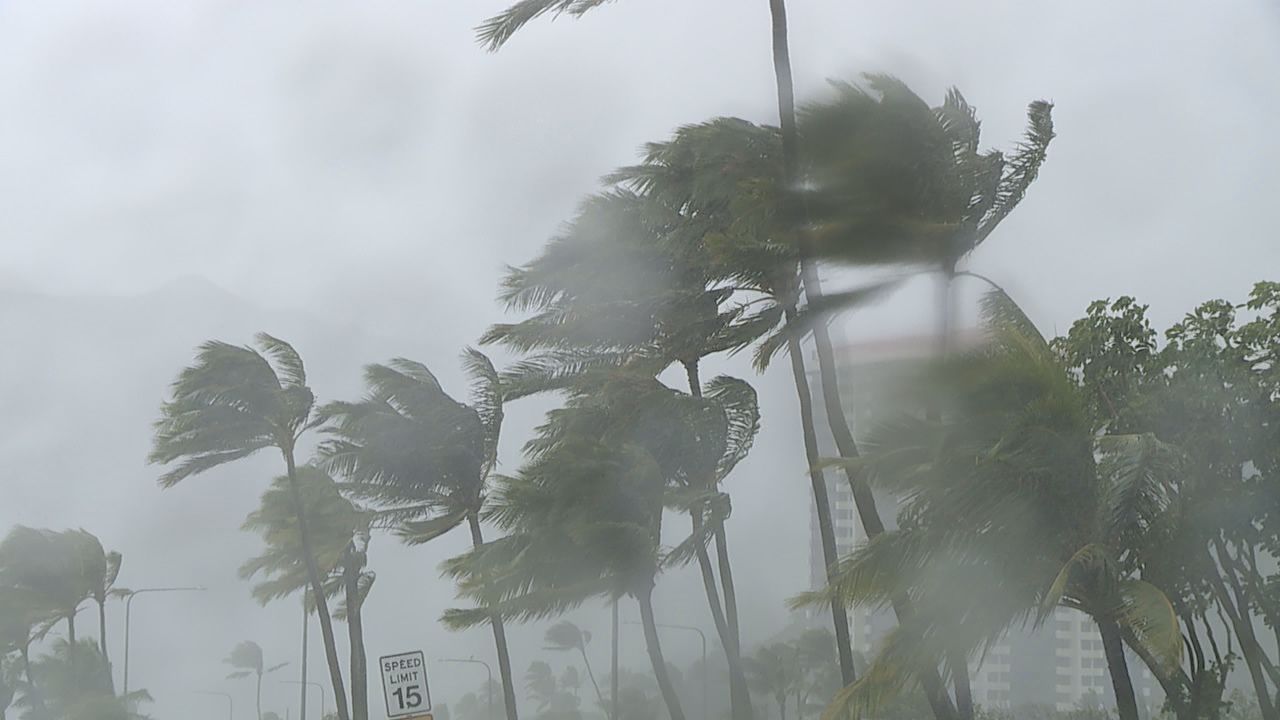
If the disturbance develops into a tropical storm or hurricane and tracks close enough to the islands, Hawaii could experience several hazardous weather conditions.
Forecasters say potential impacts include:
- Heavy rainfall capable of triggering flash flooding
- Dangerous surf and rough seas
- Locally damaging wind gusts
- Increased trade winds and scattered thunderstorms
Even if the system never reaches tropical storm strength, a strong tropical wave could still bring periods of gusty weather and more widespread showers across parts of the state.
Meteorologists stress that residents should not focus solely on whether the system receives a name, as weaker tropical disturbances can also produce significant impacts.
Pacific Hurricane Season Remains Active
The possible threat follows an already busy start to the 2026 eastern Pacific hurricane season.
So far, the basin has produced seven named storms, including two hurricanes.
Among them was Hurricane Genevieve, which rapidly strengthened into a Category 5 hurricane during the final week of July, reaching maximum sustained winds of 160 mph.
Meanwhile, Tropical Storm Fausto became the only system to cross Hawaii’s longitude this season. Although it weakened before reaching the islands, it still generated higher surf and isolated showers as it passed well to the north in late July.
El Niño Continues to Influence Storm Activity
Forecasters say the ongoing El Niño is helping create favorable conditions for tropical cyclone development across the eastern and central Pacific.
El Niño is the warm phase of a recurring climate pattern that raises ocean temperatures across the tropical Pacific. It often leads to above-average hurricane activity in the Pacific Ocean, while generally reducing tropical development in the Atlantic Basin.
Looking ahead, meteorologists project 17 to 22 named storms in the eastern Pacific this season, with nine to 13 expected to become hurricanes.
In the central Pacific, which includes Hawaii, forecasters expect four to seven named storms, with two to four potentially reaching hurricane strength.
Forecasters Urge Residents to Monitor Updates
Although confidence is growing that tropical activity will increase during the second week of August, meteorologists caution that it is still too early to determine whether Hawaii will experience direct impacts.
The disturbance currently carries a medium chance of development, and forecast details are expected to become much clearer once the system begins organizing over the eastern Pacific.
If it strengthens into a named storm, Hernan will be the next name used in the eastern Pacific hurricane season.
Do you live in Hawaii or have travel plans to the islands this month?
Do you think residents should begin preparing now, or wait for the forecast to become clearer? Share your thoughts in the comments below.