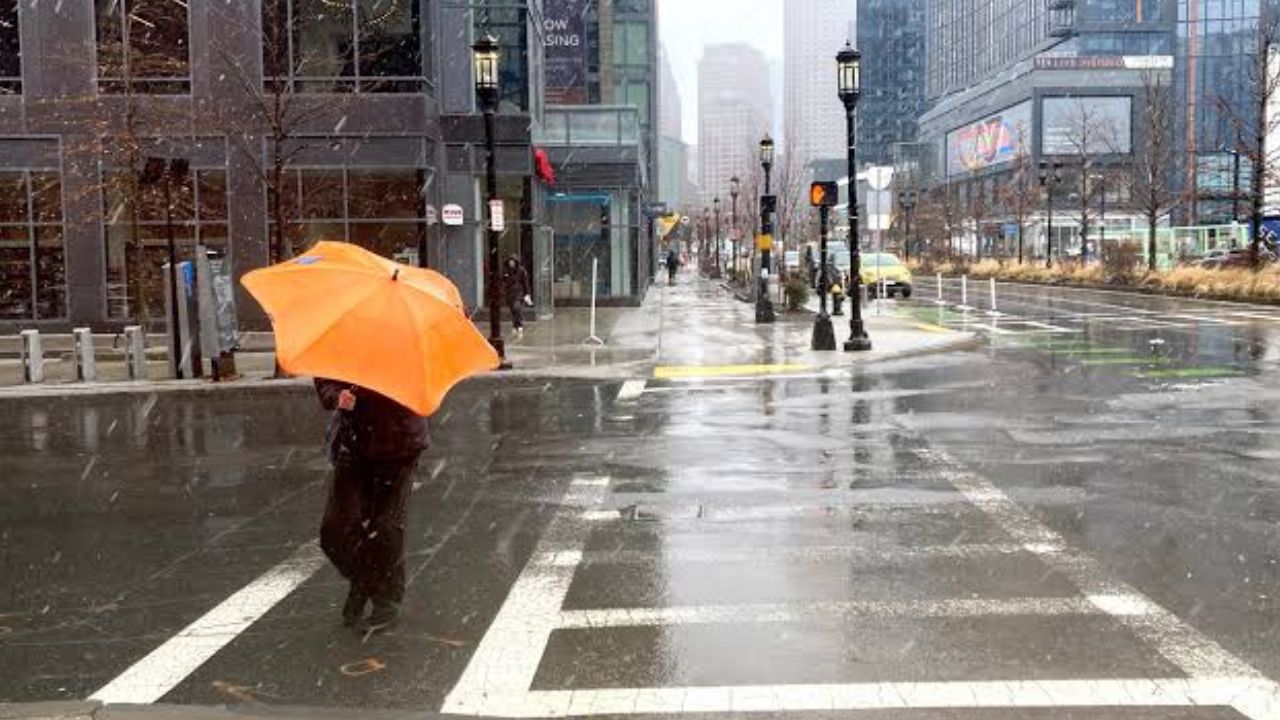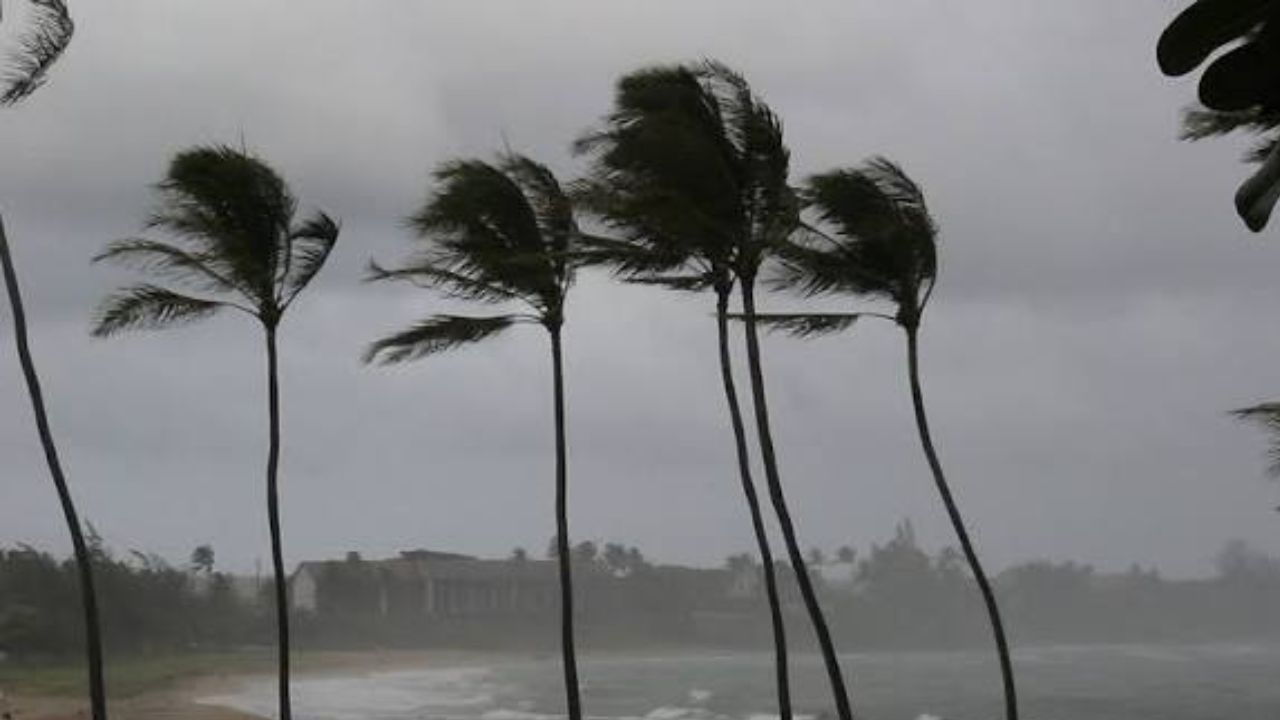
United States — Climate scientists are closely monitoring a rapidly strengthening El Niño that could reshape weather patterns across much of the United States over the coming months. While El Niño is a naturally occurring climate phenomenon, experts say this event has the potential to become one of the strongest ever observed, bringing significant changes to rainfall, temperatures, snowfall, hurricanes, and wildfire risk across different regions of the country.
Scientists Say El Niño Could Reach Historic Strength
A new analysis released by Berkeley Earth suggests there is a 90% chance that warming in the tropical Pacific Ocean will exceed anything observed in roughly 150 years of available records.
If that happens, researchers say it could contribute to higher global temperatures and increase the likelihood of more frequent extreme weather events.
El Niño officially developed in June after ocean temperatures in the central and eastern tropical Pacific warmed enough to trigger the climate pattern.
Meanwhile, NOAA also expects a major El Niño to continue through late 2026. However, the agency has not concluded that it will become the strongest event on record, noting that confidence in observations before 1950 remains limited.
Here’s How Different Parts of the U.S. Could Be Affected
Weather impacts from El Niño are expected to vary significantly depending on location.
The South and Gulf Coast
Residents across the Gulf Coast, Lower Mississippi Valley, and parts of the Southeast could experience a wetter and cooler-than-average fall and winter.
The stronger storm track may increase the number of rain-producing systems and thunderstorms, while the added moisture could also reduce wildfire risk heading into spring and summer.
California and the Southwest
California and much of the Southwest often receive above-average winter rainfall during strong El Niño years.
While every event is different, increased precipitation could improve water supplies in some areas and reduce wildfire danger later in the year. At the same time, heavier storms may raise the risk of flooding and mudslides in vulnerable locations.
Pacific Northwest and Northern Rockies
A powerful El Niño typically brings warmer conditions and below-normal snowfall across portions of the Pacific Northwest.
Some higher elevations in the Rocky Mountains may still receive healthy snowfall totals, but many northern areas could experience a milder winter than usual.
The combination of warmer and drier conditions may also increase spring wildfire risk in parts of the Northern Rockies.
Ohio Valley, Tennessee Valley, and the Northeast
The Ohio and Tennessee valleys often experience drier-than-average winters, although thunderstorm activity may increase farther south.
Across the Northeast, forecasters expect warmer winter temperatures and less snowfall overall. Despite that trend, meteorologists caution that major coastal storms, including nor’easters, can still occur during El Niño winters.
What It Could Mean for Hurricanes and Storms
Meteorologists say one of the most noticeable effects of a strong El Niño is its influence on tropical storm development.
The pattern typically strengthens the subtropical jet stream, steering more winter storms across the southern United States while creating strong wind shear over the Atlantic Ocean.
That wind shear often makes it more difficult for tropical systems to organize into hurricanes, potentially leading to a quieter Atlantic hurricane season.
Experts stress, however, that it only takes one hurricane to produce catastrophic impacts, even during years with fewer named storms.
Forecasts Continue to Evolve
Forecast models increasingly point toward a very strong El Niño, with some projections showing Pacific Ocean temperatures reaching levels that could challenge previous records.
Even so, scientists emphasize that seasonal climate patterns influence the probability of certain weather conditions, not guaranteed outcomes for every community.
As the event strengthens through the fall and reaches its expected peak during winter, forecasters will continue refining regional outlooks to better understand where the greatest impacts may occur.
How do you prepare for changing weather in your area? Do you think your region is ready for the potential impacts of a strong El Niño? Share your thoughts in the comments below.