United States — Millions of Americans are preparing for Independence Day celebrations and holiday travel, but the weather could complicate plans in many parts of the country as forecasters warn of dangerous heat, scattered severe thunderstorms, wildfire smoke, and possible tropical development heading into the Fourth of July weekend.
According to travel forecasts, an estimated 72.2 million Americans are expected to travel at least 50 miles during the holiday period, making it one of the busiest Independence Day travel weekends in recent years.
Whether traveling by car or plane, many holiday travelers may encounter weather-related delays depending on where they are headed.
Heat Dome Continues to Grip Much of the Country
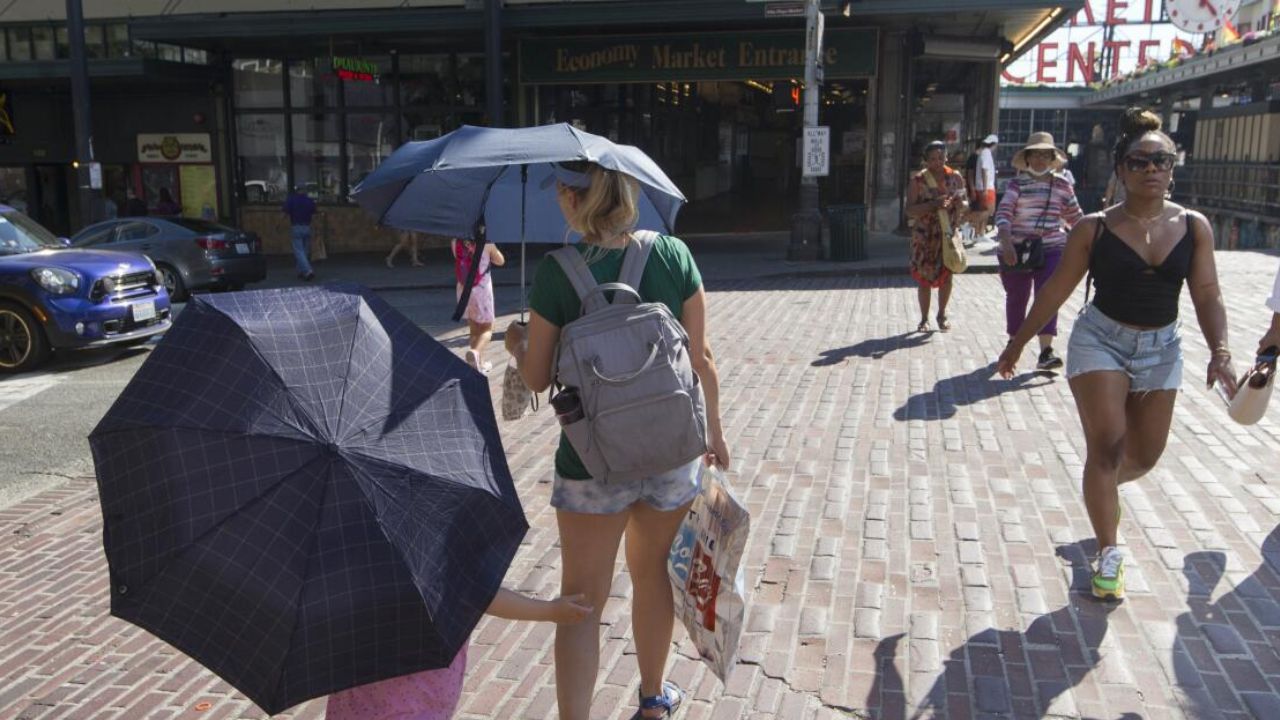
A sprawling heat dome is expected to remain in place across much of the central and eastern United States, keeping temperatures well above seasonal averages.
Meteorologists say many communities could experience temperatures up to 10 degrees above normal, creating hot and humid conditions throughout the Midwest, South, and parts of the East.
As the holiday weekend progresses, the hottest conditions are expected to shift toward the south-central United States while unusually warm weather continues across much of the country.
Cities including Chicago, Minneapolis, Denver, Dallas, Nashville, Orlando, and Atlanta are forecast to experience highs in the 90s, while Las Vegas and Phoenix are expected to see temperatures soar well above 100 degrees.
Meanwhile, cooler conditions are expected along the Pacific Coast and across parts of New England, with daytime highs generally ranging from the 70s to low 80s.
Thunderstorms Could Disrupt Holiday Travel and Fireworks
While heat will dominate many areas, thunderstorms are expected to become the biggest challenge for holiday travelers and outdoor celebrations.
Forecasters expect storms to develop mainly during the afternoon and early evening, increasing the risk of:
- Flight delays at major airports
- Slow travel on highways due to heavy rain
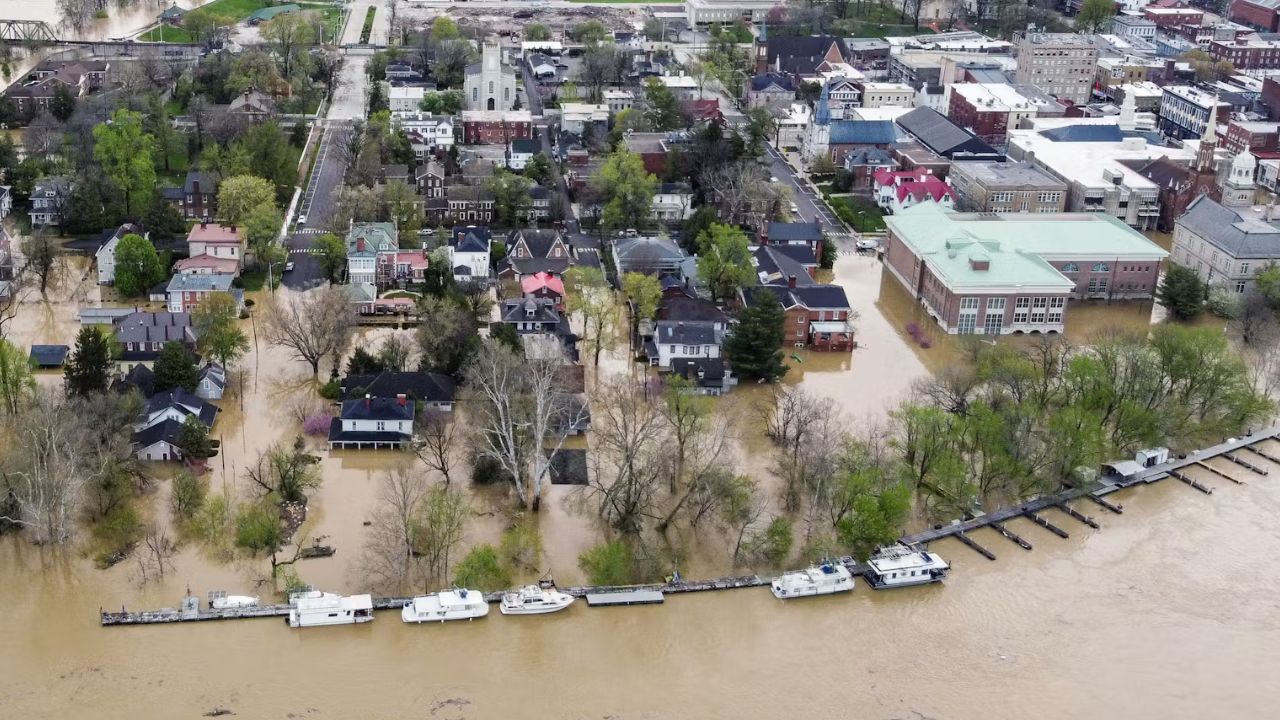
- Localized flash flooding
- Dangerous lightning
- Disruptions to fireworks displays
The greatest concentration of storm activity on Independence Day is forecast from Colorado and New Mexico eastward to Florida and north along much of the Atlantic Coast.
Although many locations will still experience long periods of dry weather, any storms that do develop could become strong enough to interrupt outdoor events.
Meteorologists continue to remind people that lightning remains one of the biggest dangers during summer storms, urging anyone outdoors to move inside immediately after hearing thunder.
Tropical System Being Monitored Near the Gulf Coast
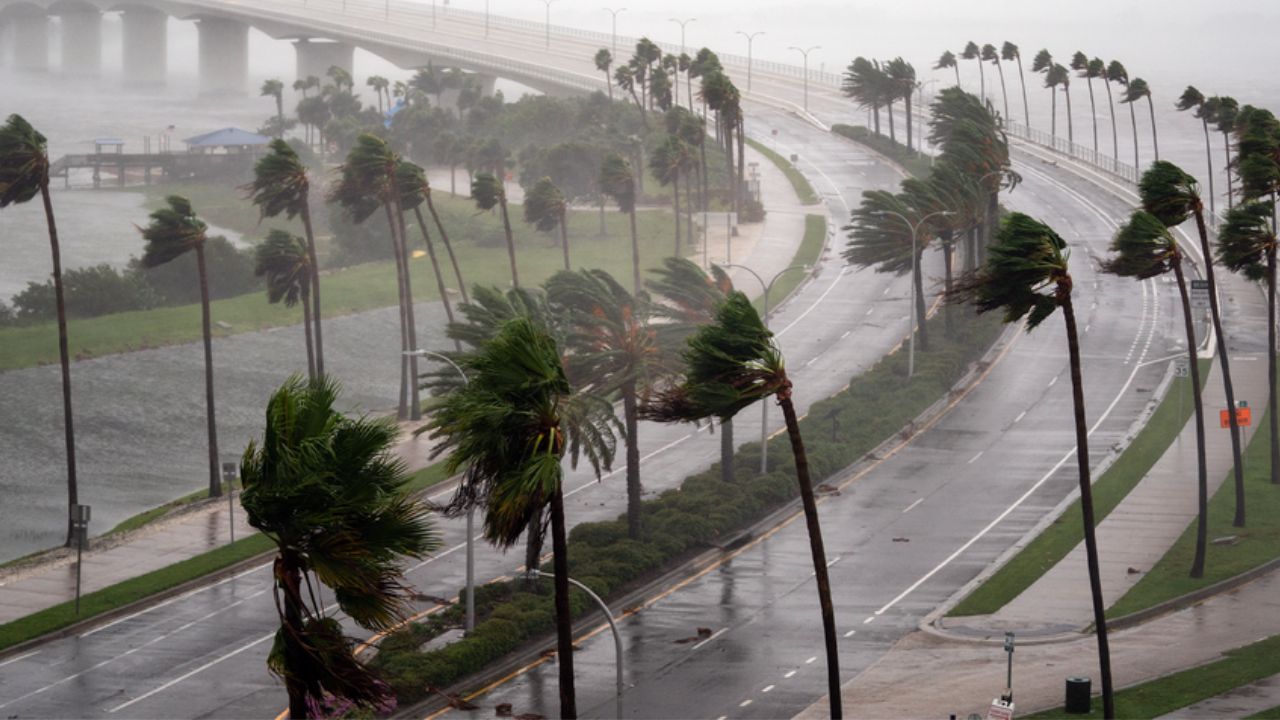
Forecasters are also watching an area stretching from the southern Atlantic Coast to the Gulf Coast, where clusters of thunderstorms could gradually organize into a tropical depression or tropical storm.
If development occurs, communities could experience:
- Torrential rainfall
- Gusty winds
- Rough surf
- Dangerous rip currents
Officials encourage residents and travelers along the Southeast coast to continue monitoring updated forecasts throughout the holiday weekend.
Wildfire Smoke and Fire Danger Remain Concerns in the West
While much of the western United States is expected to remain relatively dry, weather conditions there present a different set of hazards.
Hot temperatures, dry vegetation, and gusty winds are increasing the risk of new wildfires, particularly across the Great Basin and Intermountain West.
Smoke from active fires may also reduce air quality and visibility in some areas.
Forecasters Issue Early Warning as Tropical System Could Form Just Before the Fourth of July Holiday
In addition, ongoing drought conditions have prompted some communities to consider restrictions on fireworks because of elevated wildfire danger.
Travelers heading to western destinations should remain aware of changing fire conditions and possible road closures.
Travelers Encouraged to Stay Weather Aware
With millions expected to gather for parades, cookouts, fireworks, and family celebrations, weather conditions are likely to vary significantly across the country.
Checking local forecasts before traveling, staying hydrated during periods of extreme heat, and having a backup plan for outdoor events can help reduce weather-related risks during the busy holiday weekend.
Whether celebrating close to home or traveling across the country, remaining weather-aware will be key as heat, storms, and wildfire conditions continue to evolve through the Fourth of July.
How are you planning to celebrate the Fourth of July this year? Do you expect the weather to affect your holiday plans? Share your thoughts and local forecast in the comments below.