Southeastern United States — With the Fourth of July holiday approaching, meteorologists are closely watching the waters off the Southeast coast where a developing weather pattern could produce limited tropical activity during the holiday week.
Although forecasters stress that the chances of a named storm remain relatively low, changing atmospheric conditions and unusually warm ocean temperatures have prompted increased monitoring as millions of Americans prepare for holiday travel and outdoor celebrations.
So far, the Atlantic hurricane season has remained relatively quiet, but that could briefly change if favorable conditions come together over the coming days.
Forecasters Monitoring Area of Low Pressure
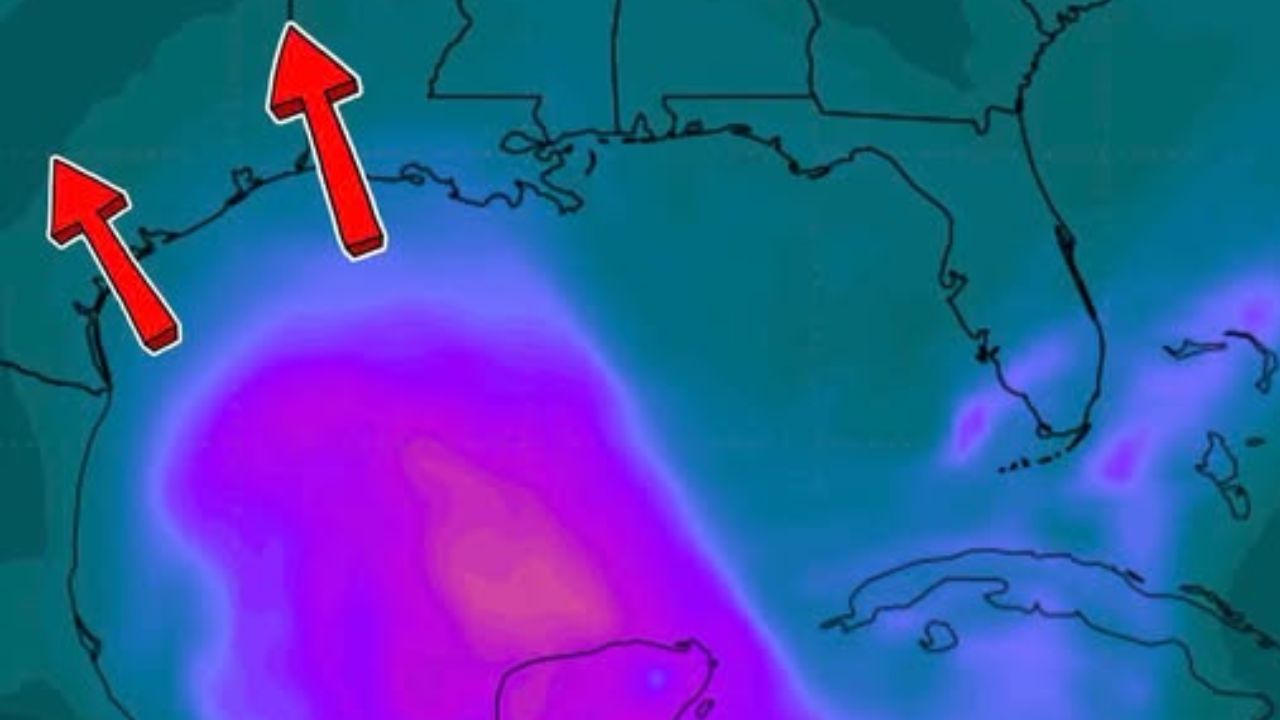
According to forecasters, attention is focused on a broad area of low pressure expected to develop from the leftover energy of an old frontal boundary lingering across the Southeast.
Forecast models suggest several small areas of rotation could develop along this boundary during the middle of next week.
At this stage, however, meteorologists say confidence remains low regarding whether any of these disturbances will organize into a tropical or subtropical system.
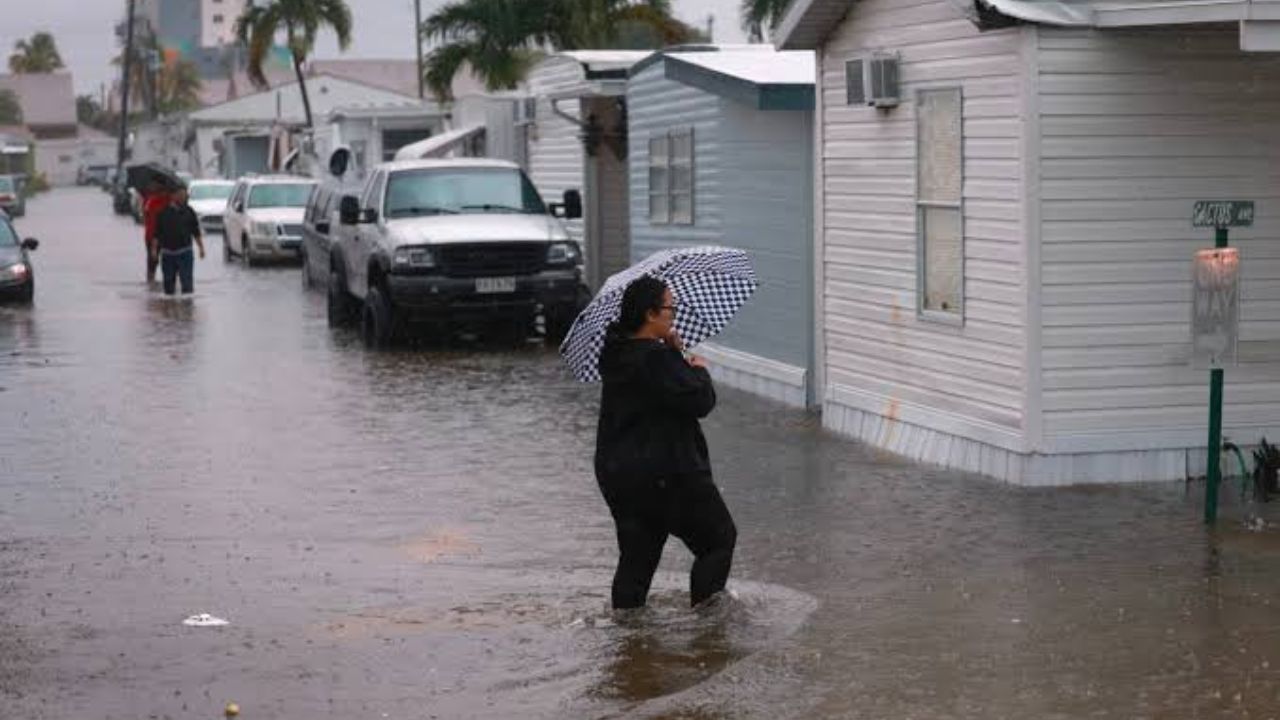
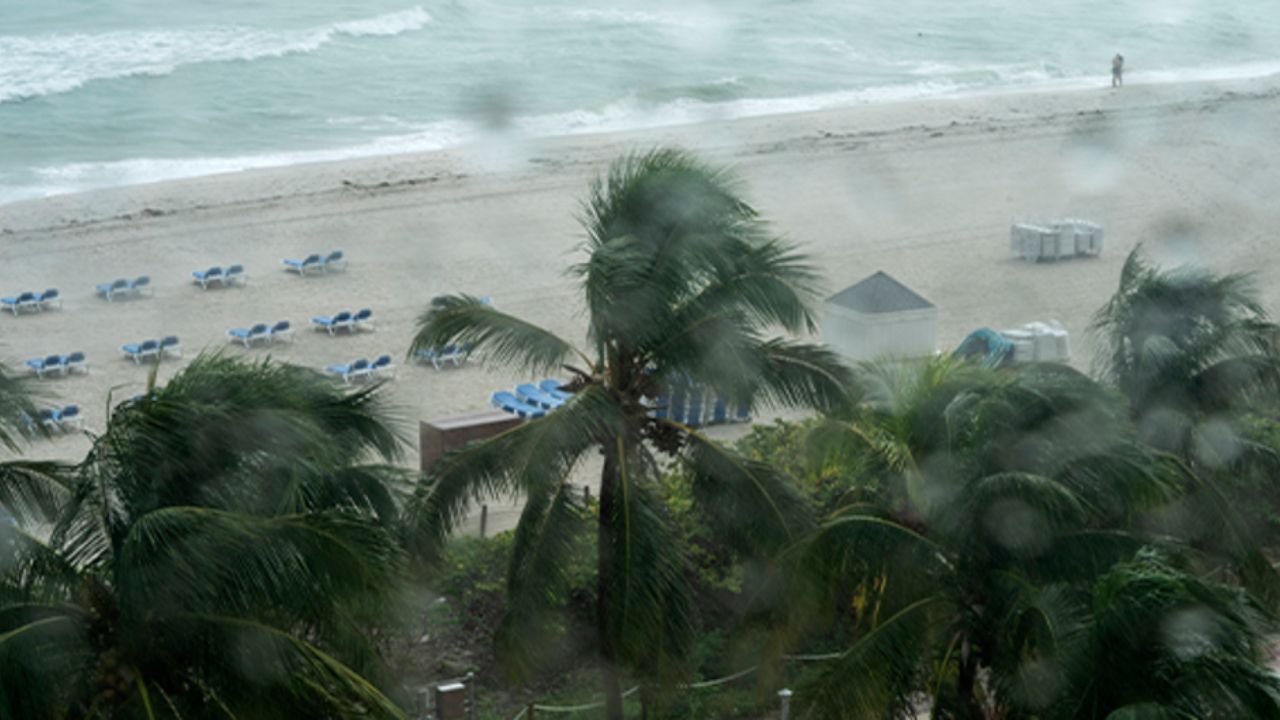
Even without significant development, the weather pattern could still bring periods of heavy rain and gusty winds to portions of the Southeast.
Warm Atlantic Waters Could Support Development
One factor drawing attention from forecasters is the exceptionally warm water east of Florida.
Ocean temperatures in that part of the subtropical Atlantic are running well above average for late June, creating an environment that could help fuel tropical development if other atmospheric conditions become favorable.
In addition, upper-level winds are expected to be somewhat less hostile than they have been over the past several weeks, removing one obstacle that has limited tropical activity earlier this season.
Even so, weather experts caution that warm water alone is not enough for tropical cyclones to form.
Dry Air Remains Biggest Obstacle
The primary factor working against development is the presence of widespread dry air surrounding the disturbance.
Meteorologists say dry air tends to weaken thunderstorms before they can organize around a developing center of circulation, making tropical formation much more difficult.
100-Degree Heat Is Coming: These 5 States Face the Highest Risk This Weekend
Because of that, forecasters currently believe any development would likely be slow and limited if it occurs at all.
Should a more organized system develop, steering winds associated with a strong heat dome over the eastern United States could potentially guide it back toward the U.S. coastline.
However, officials emphasize that it is too early to determine whether any impacts would occur.
Atlantic Season Remains Quieter Than Average
To date, the Atlantic has produced only one named storm this season, Tropical Storm Arthur, which was short-lived and remained disorganized.
Historically, the Atlantic typically sees its second named storm around June 24 and its third by approximately July 6, meaning the 2026 season has been running quieter than average.
Outside of the area currently being monitored near the Southeast coast, forecasters say no additional tropical development is expected across the Atlantic Basin through the remainder of the month.
Saharan Dust and Wind Shear Continue Suppressing Storms
Meteorologists say two major factors continue limiting tropical activity across the Atlantic.
Large plumes of Saharan dust continue spreading across the tropical Atlantic, drying out the atmosphere and making thunderstorm development more difficult.
At the same time, computer models indicate that strong upper-level wind shear will increase during July across the Main Development Region between Africa and the Caribbean.
These powerful winds are expected to disrupt developing tropical waves before they can strengthen into organized storms.
While forecasters continue monitoring conditions ahead of the Independence Day weekend, they stress that there is no immediate cause for concern. Coastal residents and holiday travelers are encouraged to stay informed by checking updated forecasts as weather conditions evolve over the next several days.
Are you planning to travel or celebrate outdoors during the July 4 holiday weekend? How are you preparing for possible changes in the weather? Share your thoughts in the comments below.