South Carolina — A South Carolina mother is drawing attention online after sharing her experience navigating miscarriage care, claiming she has been unable to receive a procedure to remove a nonviable pregnancy despite learning weeks ago that the pregnancy could not continue.
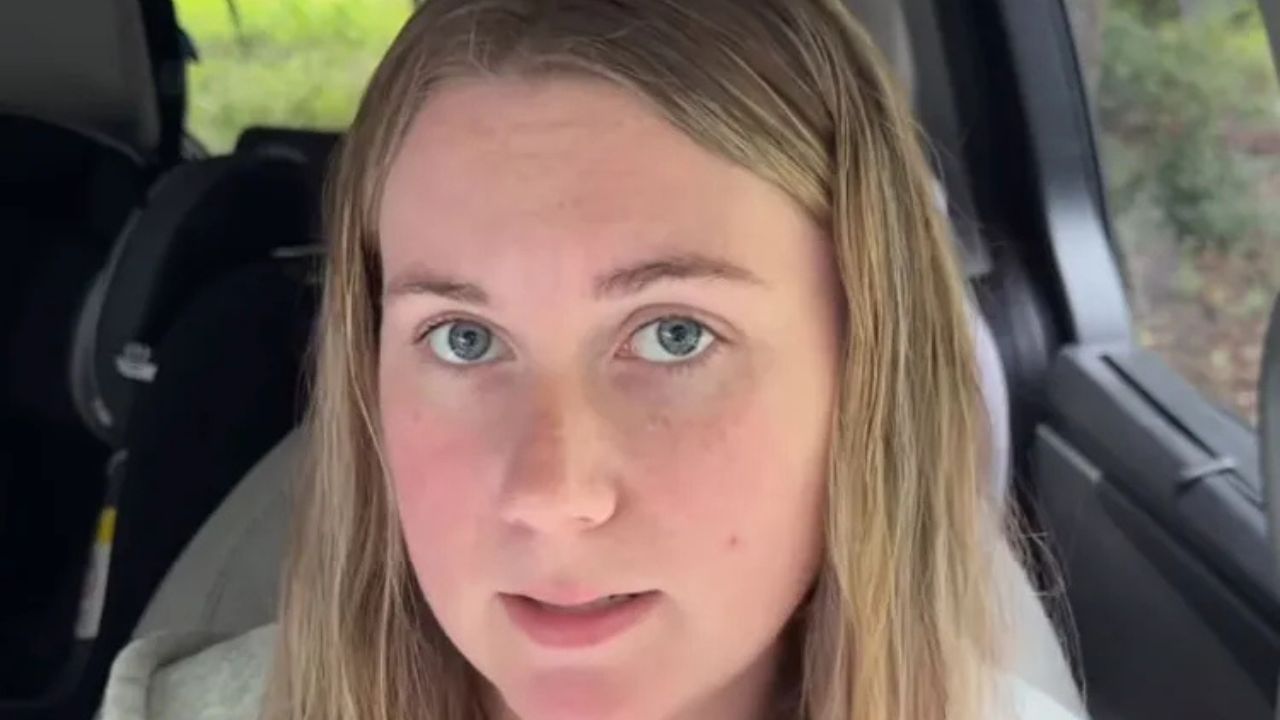
Ashley Brown, a content creator known for documenting life with her three neurodivergent children, has posted a series of emotional videos describing what she says has been a frustrating and traumatic experience following a recent pregnancy loss.
Brown alleges that although doctors informed her that the pregnancy was medically nonviable, she has been required to undergo additional appointments and evaluations before receiving further treatment.
Woman Says Pregnancy Was Declared Nonviable
In a video shared on June 9, Brown explained that she attended a six-week ultrasound appointment where medical testing reportedly showed that the pregnancy was not viable.
According to Brown, healthcare providers informed her that she would need to return for multiple follow-up visits before a dilation and curettage (D&C) procedure could be performed.
A D&C is a medical procedure commonly used to remove tissue from the uterus following a miscarriage. It may also be performed for other medical reasons.
While Brown acknowledged that additional scans can be important in some cases to confirm a diagnosis, she said she believed her situation was already clear.
“I understand why they have these standards in place, [as] it is so common for someone to not be as far along as they think and see a viable pregnancy the next ultrasound, however, in this case it is an impossibility.”
She also expressed frustration about continuing to experience pregnancy symptoms despite knowing the pregnancy could not continue.
“It feels cruel to feel pregnant and awful for 3 more weeks when there’s no baby.”
Emotional Toll of Repeated Appointments
Brown later posted another video documenting what she described as an emotionally difficult follow-up visit.
In the video, she stated that she was still being required to complete prenatal paperwork and participate in appointments typically associated with an ongoing pregnancy.
The experience, she said, intensified her grief.
“My baby died in me almost two weeks ago, but we have to make sure it’s really dead two more times before they’ll help me remove it because my body’s not doing that by itself.”
Brown also described the appointment process as emotionally exhausting.
“Somewhere in between pissed off, traumatized, grieving, and coping with dark humor. This is all so wrong.”
Her videos have generated significant discussion online, with many viewers expressing sympathy and sharing their own experiences with pregnancy loss.
Concerns Raised About Access to Miscarriage Care
Brown claims she is now exploring treatment options outside South Carolina because of concerns about how long she may have to wait for a D&C procedure.
Amazon Driver Accused of Taking Family Cat Claims Shocking Twist: ‘That’s My Missing Pet’
She has also voiced fears about potential health complications if treatment continues to be delayed.
According to Brown, her situation falls into what she described as a legal and medical gray area because the pregnancy is beyond six weeks but has no detectable heartbeat and has been deemed nonviable.
Her story has fueled broader conversations about how state abortion laws may affect the management of miscarriages and pregnancy complications.
South Carolina’s Abortion Law Includes Certain Exceptions
South Carolina enacted a six-week abortion ban in 2023 following the U.S. Supreme Court’s decision to overturn Roe v. Wade.
The law includes exceptions in specific circumstances, including rape, incest, medical emergencies that threaten the life of the pregnant woman, and certain fatal fetal abnormalities.
However, Brown’s experience has prompted renewed debate among advocates, healthcare professionals, and lawmakers regarding how medical providers interpret and apply those regulations when treating miscarriages and nonviable pregnancies.
As discussions continue, Brown says she remains focused on finding the medical care she believes she needs while grieving the loss of her pregnancy.
What are your thoughts on how miscarriage care is handled when a pregnancy is determined to be nonviable?
Do you believe existing laws provide enough clarity for patients and healthcare providers? Share your thoughts respectfully in the comments below.