New York and New Jersey — Grocery shopping could become less convenient for thousands of Americans as some of the nation’s biggest supermarket chains continue closing stores that are struggling to generate enough sales.
From Kroger and Grocery Outlet to Safeway and other Albertsons-owned brands, retailers are trimming their store networks as they look for ways to reduce costs and focus resources on stronger locations.
The closures are also raising concerns about what happens to communities when a neighborhood grocery store disappears.
Kroger Plans Dozens of Store Closures
Kroger, one of the country’s largest grocery companies, has announced plans to reduce its store count by about 60 locations over an 18-month period, citing underperforming stores and slow sales.
The Cincinnati-based company operates numerous grocery brands across the country, meaning shoppers could see closures under several different names.
Brands expected to be affected include Fred Meyer, Fry’s Food and Drug, Harris Teeter, Foods Co, Food 4 Less, King Soopers, Mariano’s, Pick ‘n Save and QFC.
For shoppers, the closures could mean longer drives for groceries and fewer choices in areas where supermarkets are already limited.
Grocery Store Closures Could Create Food Deserts
One of the biggest concerns surrounding the supermarket shutdowns is the potential creation of food deserts. These are communities where residents have limited access to affordable, healthy and fresh food.
When a major supermarket closes, shoppers without reliable transportation can be particularly affected. Even when smaller convenience stores remain nearby, they may not offer the same selection or prices as a full-size grocery store.
The issue comes as Kroger continues expanding through acquisitions. The company recently agreed to acquire Giant Eagle in a $1.65 billion deal, a transaction expected to add 197 supermarkets and 11 standalone pharmacies to Kroger’s network.
The deal is expected to close next year, subject to the necessary process and approvals.
Grocery Outlet to Close 36 Stores
Discount grocery chain Grocery Outlet is also preparing to shrink its footprint. The California-based retailer said it plans to close 36 stores, representing roughly 6% of its total locations.
Among those closures are six stores in New Jersey, making the state one of the areas directly affected by the company’s restructuring.
Grocery Outlet has built its reputation around deeply discounted products, including private-label merchandise that can sometimes be sold for 40% to 70% less than comparable items.
However, company leadership said the East Coast would be hit particularly hard, with approximately 30% of the planned closures occurring in that region.
The company did not initially provide a specific timeline for every closure.
Safeway and Albertsons Are Also Cutting Locations
Safeway is another major grocery brand facing store reductions.
Its parent company, Albertsons, operates more than 20 supermarket brands, including Vons, Jewel-Osco, Acme Markets and Shaw’s, with more than 900 locations nationwide.
At least 30 Albertsons-owned stores closed during 2025, while another 12 closures were reportedly in the pipeline for 2026. Safeway has so far closed three locations tied to expiring leases.
The company has explained that it sometimes chooses not to renew a lease and instead redirects investment toward other stores.
Walgreens Closures Add to Retail Shakeup
The grocery industry isn’t the only part of American retail facing widespread closures.
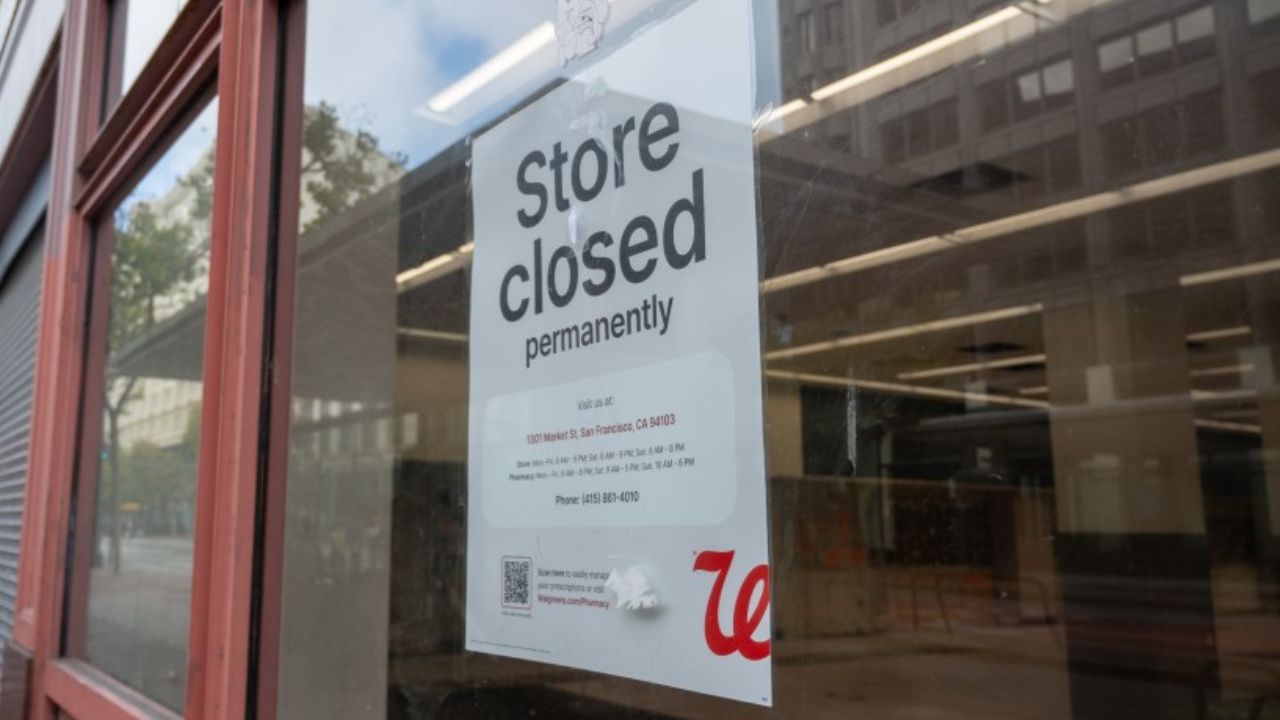
Walgreens, which operates thousands of stores nationwide, has also been closing locations in states including New York and New Jersey as part of a multiyear effort to reduce costs and eliminate less profitable stores.
The company announced in 2024 that it planned to close approximately 1,200 underperforming locations over three years, although the pace and scale of closures changed after Walgreens became privately owned.
Together, the supermarket and pharmacy closures reflect a broader shift in American retail, as companies increasingly evaluate individual stores based on profitability rather than simply maintaining large networks.
For shoppers, however, every closure can mean fewer nearby options and longer trips for everyday necessities.
Has a grocery store near you recently closed, or are you worried your local supermarket could be next? Tell us what you’ve seen in your community in the comments below.