Sacramento, California — Federal climate officials are warning that a potentially historic El Niño event is developing in the Pacific Ocean, raising expectations for a wetter-than-normal winter across California and increasing the possibility of significant weather impacts in the months ahead.
The National Oceanic and Atmospheric Administration (NOAA) announced Thursday that El Niño conditions are now present in the tropical Pacific and are expected to continue strengthening through at least March 2027.
According to NOAA, there is a greater than 90% chance of a strong El Niño developing and a 63% probability that it could become a very strong event by early winter, placing it among the most significant occurrences recorded since modern recordkeeping began in 1950.
What Is El Niño and Why Does It Matter?
El Niño is a naturally occurring climate pattern that develops when ocean temperatures in the eastern and central Pacific become warmer than normal.
Those warmer waters can alter weather patterns around the globe, affecting rainfall, temperatures, storm tracks, and drought conditions.
For California, El Niño’s biggest influence is typically felt during the wet season, which runs from late fall through early spring.
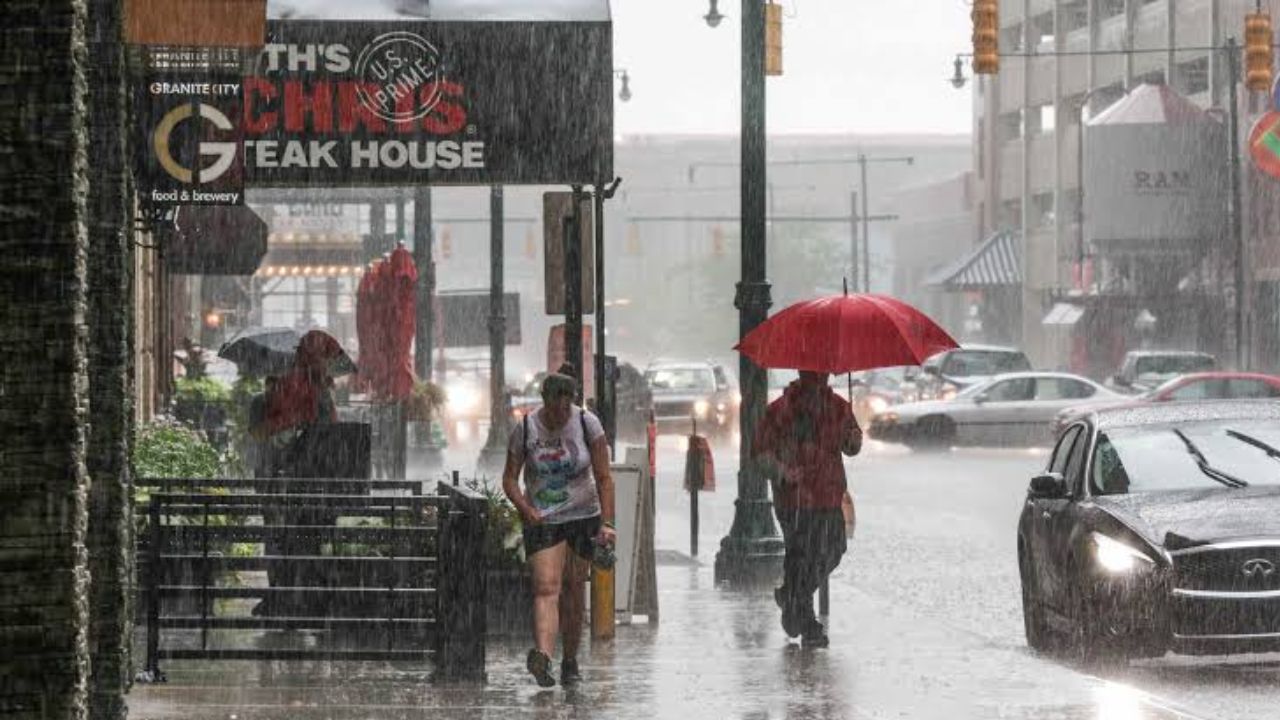
When El Niño strengthens, it often shifts and intensifies the jet stream, allowing more storms to move across the southern portion of the United States and increasing the likelihood of rain reaching California.
Experts Expect a Wetter Winter Across California
Meteorologists say this year’s El Niño stands out because of its anticipated strength.
Historically, strong to very strong El Niño events have favored above-average precipitation across much of California, with the strongest signal usually occurring in Central and Southern California.
While Northern California can also benefit from increased rainfall, experts say the impacts are generally more consistent in regions such as Los Angeles, San Diego, and surrounding inland communities.
Matthew Rosencrans, a meteorologist with NOAA’s Climate Prediction Center, noted that stronger El Niño events have a greater tendency to bring widespread precipitation across the state.
At the same time, forecasters stress that no two El Niño events are identical.
Why a Wet Winter Is Looking More Likely
Scientists are paying close attention to another unusual factor beyond El Niño itself.
A vast area of warmer-than-normal ocean temperatures currently stretches from Southern California toward Hawaii and extends southward to the equator. Researchers believe those conditions could help reinforce storm activity and potentially push wetter weather farther north into Northern California as well.
Several long-range weather models are already forecasting wetter-than-average conditions across California during the key November-to-January period.
Because of these ocean temperature patterns, confidence in a wetter winter forecast continues to increase.
UC Agriculture and Natural Resources climate scientist Daniel Swain said he would be surprised if California does not experience an unusually wet winter this year.
“The single biggest seasonal predictor of precipitation in California is the presence of a strong El Niño.”
A Wet Winter Doesn’t Guarantee Major Flooding
Despite growing confidence in above-normal rainfall, experts caution that El Niño is not a perfect predictor of winter weather outcomes.
One of the most notable examples occurred during the powerful 2015-16 El Niño event, which failed to deliver the widespread soaking many forecasters expected.
Other atmospheric factors, including atmospheric rivers, marine heat waves, and changes in polar weather patterns, can significantly influence how much rain ultimately falls and where storms track.
Still, NOAA says California residents should begin paying attention to seasonal forecasts and prepare for the possibility of a wetter-than-normal winter.
Coastal Flooding and Other Risks Could Increase
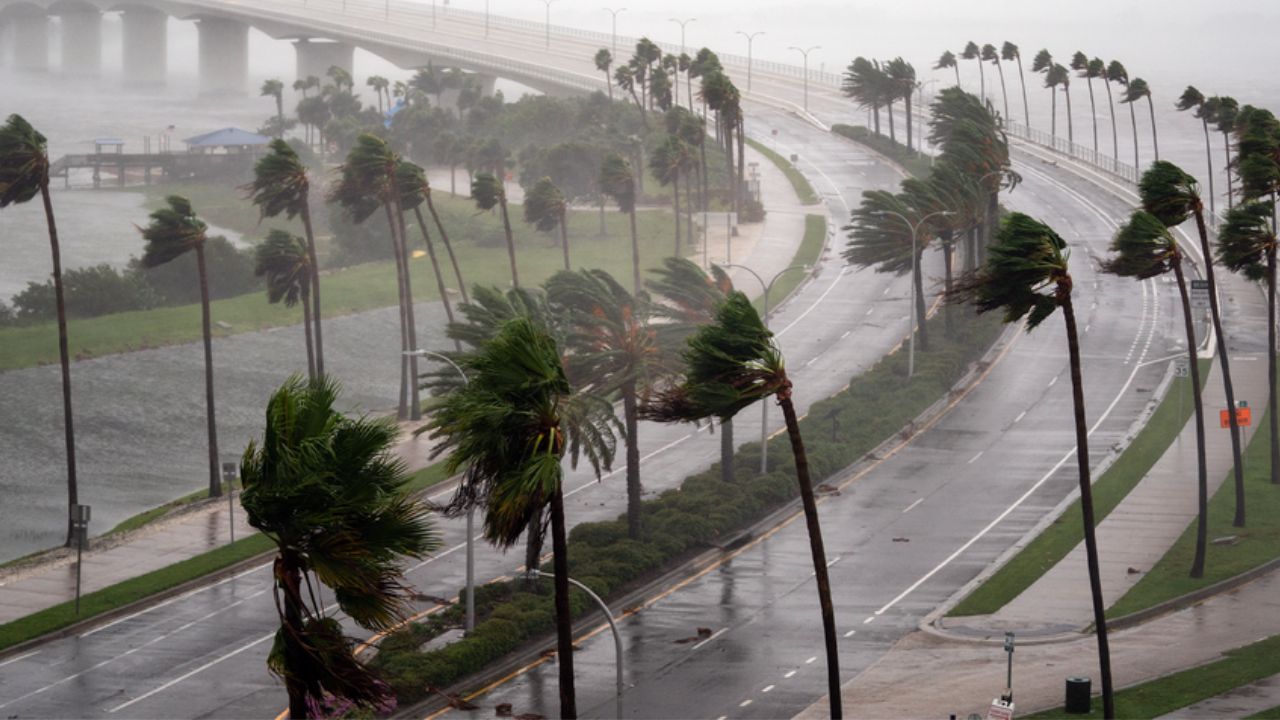
In addition to increased rainfall, NOAA warns that coastal communities could face a higher risk of flooding due to a combination of stronger storms and elevated ocean levels.
Forecasters are also monitoring the possibility of larger ocean swells, increased lightning activity, and even rare tropical weather systems that could influence California later in the year.
While it remains too early to predict specific storms, climate experts agree that the developing El Niño deserves close attention as winter approaches.
For now, Californians are being encouraged to stay informed and prepare for a season that could bring significantly more rain than recent years.
Do you think California is prepared for a potentially wetter winter? Have recent storms changed how your community prepares for flood risks and severe weather? Share your thoughts respectfully in the comments below.