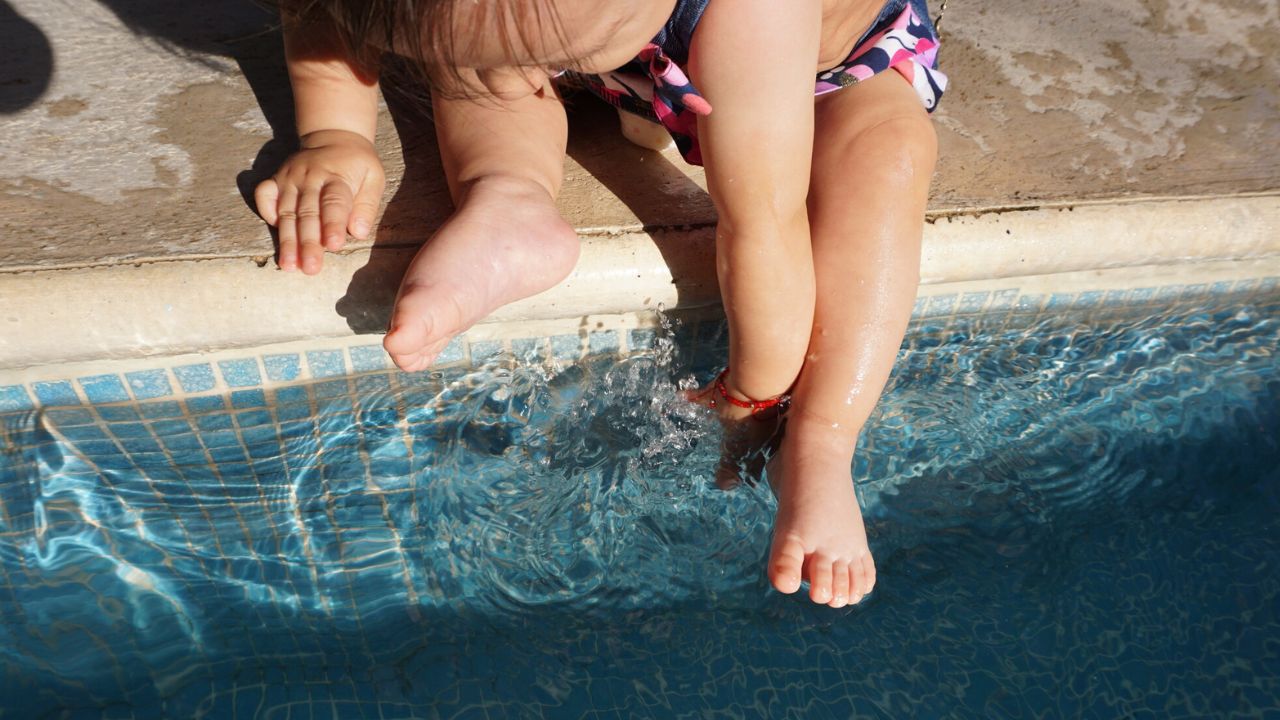
Tampa, Florida — With 76 child drowning deaths already reported across Florida this year, safety experts are warning that the state’s deadliest months for water-related accidents are far from over. Officials say the current number has already sparked serious concern, with fears that 2026 could surpass last year’s total before summer comes to an end.
According to the Florida Department of Children and Families (DCF), drowning remains the leading cause of unintentional death for children between the ages of 1 and 4 in Florida. Many of the recent tragedies happened in just a matter of minutes while parents were carrying out everyday household tasks.
Recent Child Drowning Cases Highlight Common Risks
State investigation reports detail several heartbreaking incidents across the Tampa Bay area, where young children gained access to water without being noticed.
In Pasco County, a 3-year-old child drowned in a lake at a public park during a Fourth of July family celebration. In Polk County, a 2-year-old was discovered in a neighbor’s swimming pool after leaving home unnoticed.
Another 2-year-old drowned in a family pool in Sarasota County after getting outside while the child’s mother was briefly in the bathroom.
Earlier this year, a 1-year-old in Pinellas County reached a swimming pool after leaving the house while the father was tending to an escaped dog.
In Hillsborough County, another 1-year-old drowned after accessing a bathtub while the child’s mother was cleaning broken glass in the kitchen.
Officials say these tragedies demonstrate how even a few moments without supervision can have devastating consequences.
Safety Experts Stress Layers of Protection
Petra Stanton, Injury Prevention Program Manager at Johns Hopkins All Children’s Hospital, said every drowning case leaves a lasting impact on families and first responders alike.
She emphasized that preventing drownings requires multiple safety measures rather than relying on a single precaution.
Experts recommend that families with residential pools install four-sided fencing, self-latching gates, pool barriers, and door alarms to reduce the risk of children accessing water unnoticed.
Parents and caregivers are also encouraged to learn CPR, as immediate action during a water emergency can improve survival chances.
Stanton offered one critical reminder for parents if a child suddenly disappears.
“If a child does go missing, check the body of water first. If you have a residential pool, go there,” she advised.
Pool Safety Rules Remain a Top Priority
Officials with Hillsborough County Code Enforcement continue inspecting apartment and condominium pools to ensure they meet legal safety requirements.
Division Director Jon-Paul Lavandeira said functioning barriers and self-closing, self-latching gates are considered essential life-safety features.
If inspectors discover broken gates or missing barriers, those violations receive immediate attention and property owners may face significant fines if repairs are not completed quickly.
Authorities say preventing unauthorized access to pools remains one of the most effective ways to reduce child drowning incidents.
Free Swim Lessons Available for Hillsborough Families
In an effort to improve water safety, the Tampa YMCA and the Children’s Board of Hillsborough County have launched a new program offering free group swim lesson vouchers.
Children ages 1 through 17 who live in Hillsborough County are eligible to receive one voucher for a session of eight 30-minute swim lessons at participating YMCA locations.
Program leaders say the response has been overwhelming, with more than 1,000 children already registered and additional classes being added to meet demand.
Organizers believe the initiative is helping families who previously could not afford swimming lessons gain access to potentially life-saving water safety education.
As Florida continues through its busiest swimming season, officials hope increased awareness, stronger pool safety measures, and expanded swim education will help prevent more families from experiencing these tragic losses.
What steps do you think communities should take to help prevent child drownings? Share your thoughts and water safety tips in the comments below.