Texas — Forecasters are closely monitoring a weather pattern that could bring widespread heavy rainfall and an increased risk of flash flooding across parts of the Southeast beginning this weekend, while Texas continues to battle a rare and potentially catastrophic flooding event.
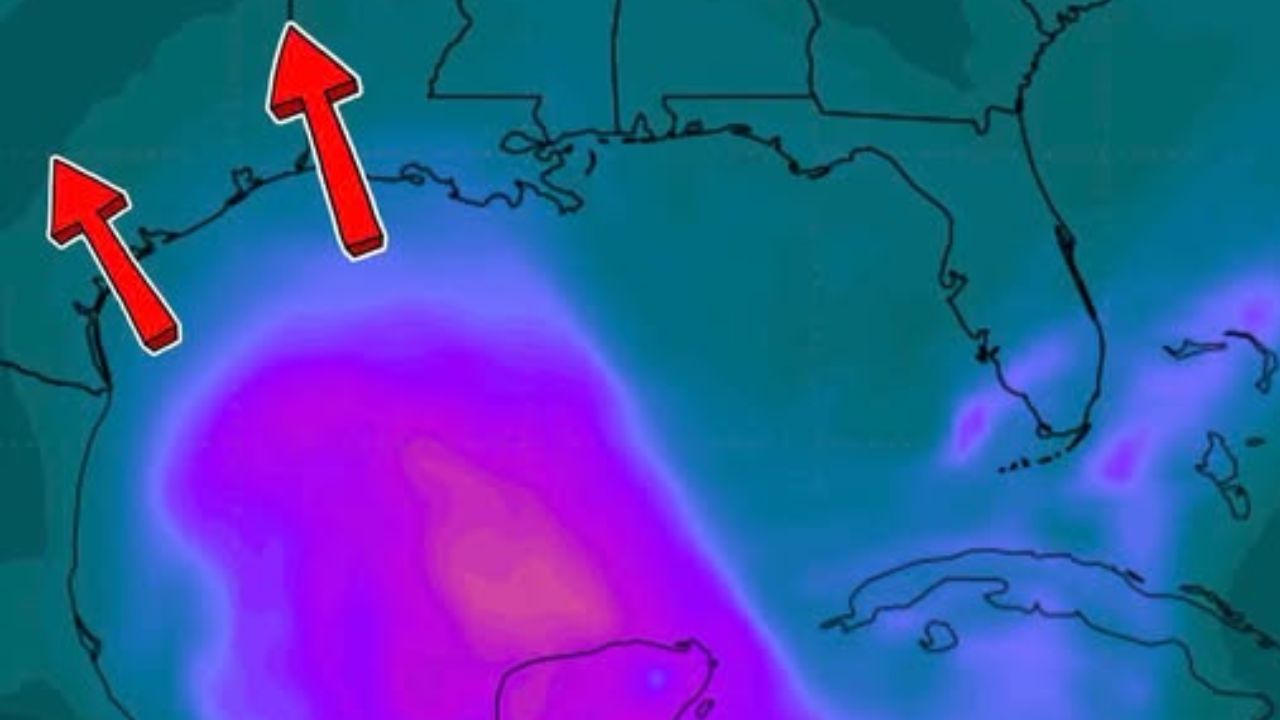
Meteorologists say a developing area of low pressure near the northeastern Gulf Coast could gradually organize over the coming days. While the chances of it becoming a tropical depression or tropical storm remain low, even an unorganized system could produce significant rainfall across portions of the Gulf Coast and Southeast.
If the system strengthens into a named tropical storm, it would become Bertha, the second named storm of the 2026 Atlantic hurricane season.
Possible Tropical Development Could Increase Flood Risk
According to forecasters, showers and thunderstorms are already spreading across parts of the Southeast and are expected to continue through the week.
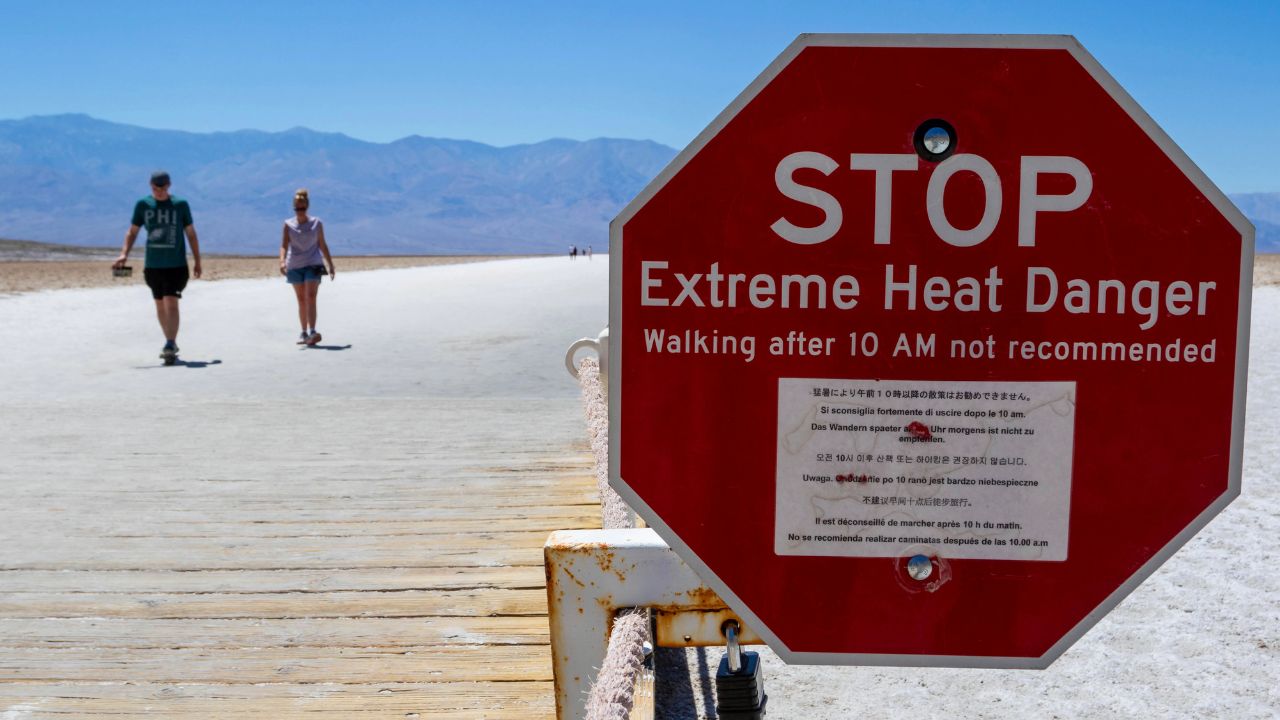
Weather experts say a weakening heat dome and a dip in the jet stream will create favorable conditions for slow-moving thunderstorms capable of producing torrential rainfall.
Moisture flowing in from both the Gulf of Mexico and the Atlantic Ocean could fuel repeated rounds of storms, raising concerns about localized flash flooding.
Although tropical development is not considered likely at this time, meteorologists say the Gulf system currently represents one of the best opportunities for tropical formation in the Atlantic before the end of July.
Texas Faces Rare High-Risk Flood Emergency
While attention turns toward the Southeast, central and southwest Texas remain under an exceptionally dangerous flooding threat.
The Weather Prediction Center has issued a rare Level 4 of 4 High Risk for excessive rainfall, warning of significant to locally catastrophic flash flooding across parts of the Hill Country, Edwards Plateau and the Rio Grande Valley.
Forecasters say some communities could receive another 10 inches or more of rain, with thunderstorms capable of producing 2 to 4 inches of rainfall per hour.
The agency notes that these highest-level flood outlooks are issued less than 4% of days each year, yet account for the vast majority of flood-related damage and a significant portion of flood fatalities nationwide.
Water Rescues Continue Across South Texas
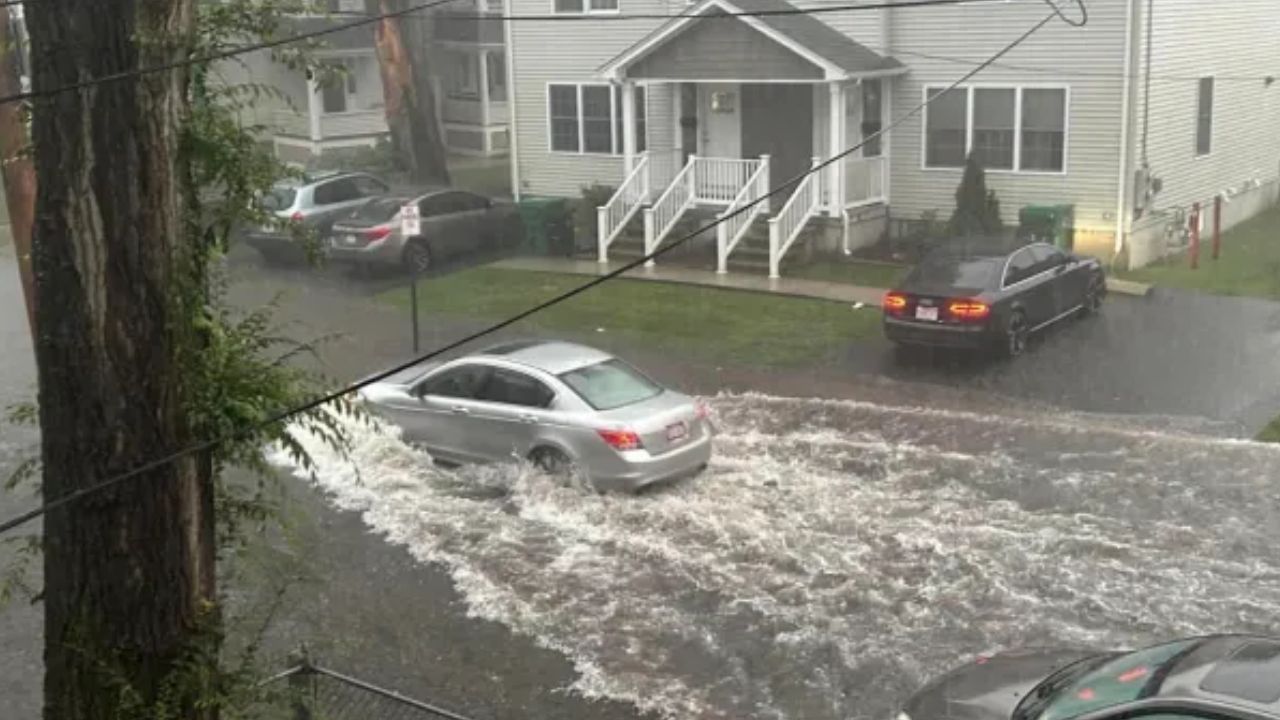
Heavy rainfall has already produced widespread flooding across several Texas counties.
Authorities reported dozens of water rescues in Uvalde County, where floodwaters trapped residents and forced emergency crews to respond throughout the day.
Emergency officials also reported numerous road closures, flooded low-water crossings and rising rivers across parts of south-central Texas.
In neighboring Medina County, multiple vehicles became stranded after driving into floodwaters, prompting additional rescue operations overnight.
Governor Greg Abbott has issued a disaster declaration covering 59 Texas counties, allowing additional state resources to be deployed as communities continue responding to the ongoing flooding emergency.
Forecasters Urge Residents to Stay Weather Aware
Meteorologists expect the flood threat across Texas to gradually decrease toward the end of the week, although scattered heavy rain may continue in some areas.
At the same time, residents across the Gulf Coast and Southeast are encouraged to closely monitor weather forecasts as the developing Gulf disturbance evolves heading into the weekend.
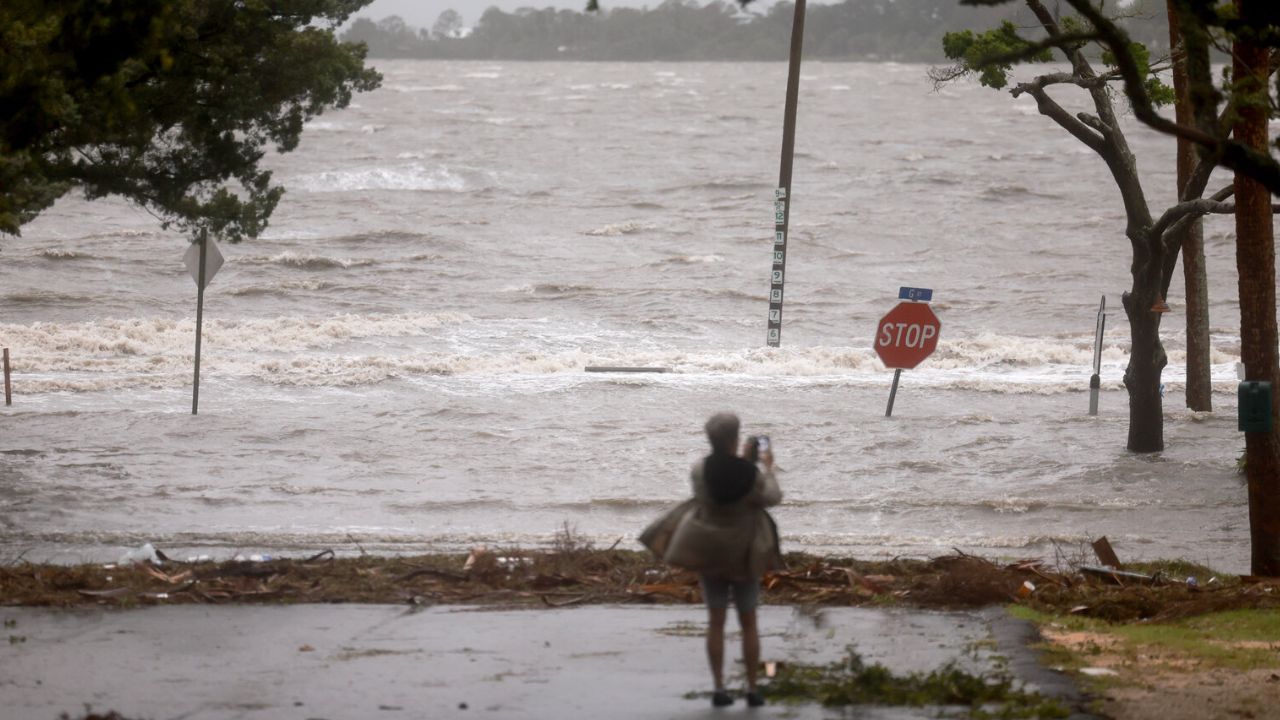
Even if the system never reaches tropical storm status, forecasters warn that slow-moving thunderstorms fueled by tropical moisture can still produce dangerous flash flooding, especially in low-lying and flood-prone areas.
Officials are urging anyone living in areas under flood watches or warnings to avoid driving through flooded roads and remain prepared for rapidly changing weather conditions.
Are you expecting heavy rain where you live this weekend? What preparations do you make when flash flood threats are issued? Share your thoughts and stay weather-aware by following updates from your local emergency officials.