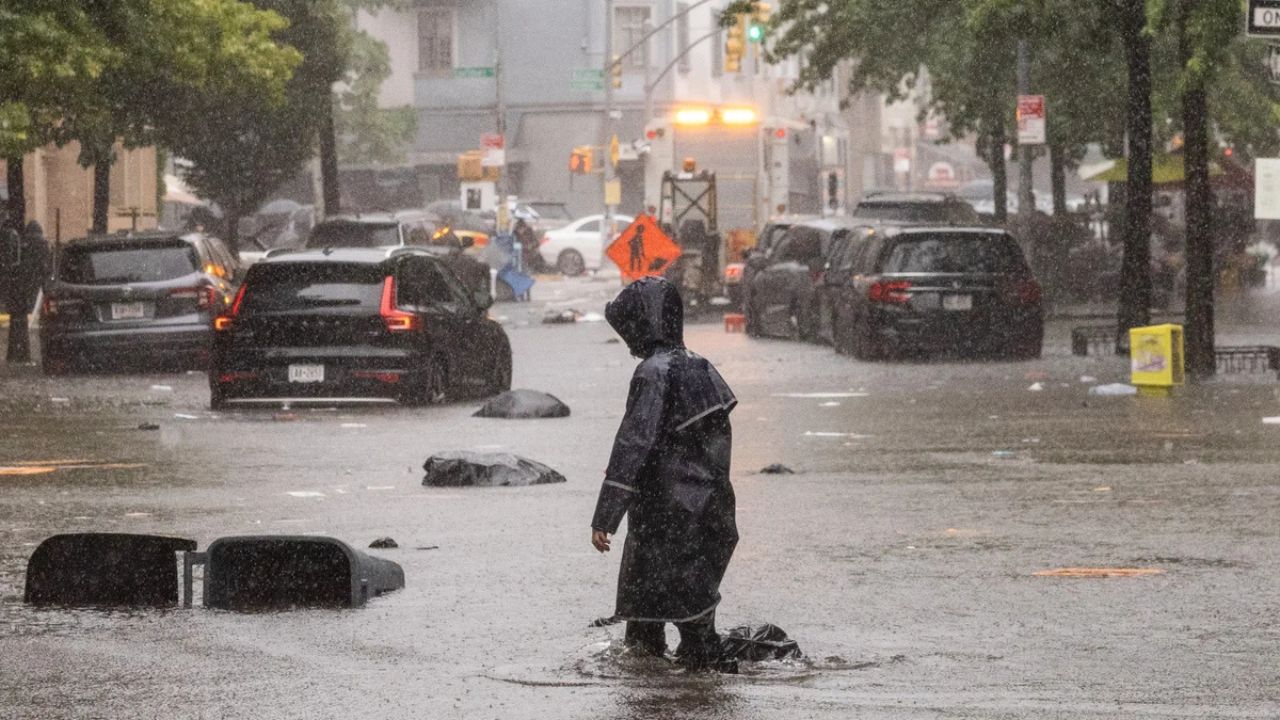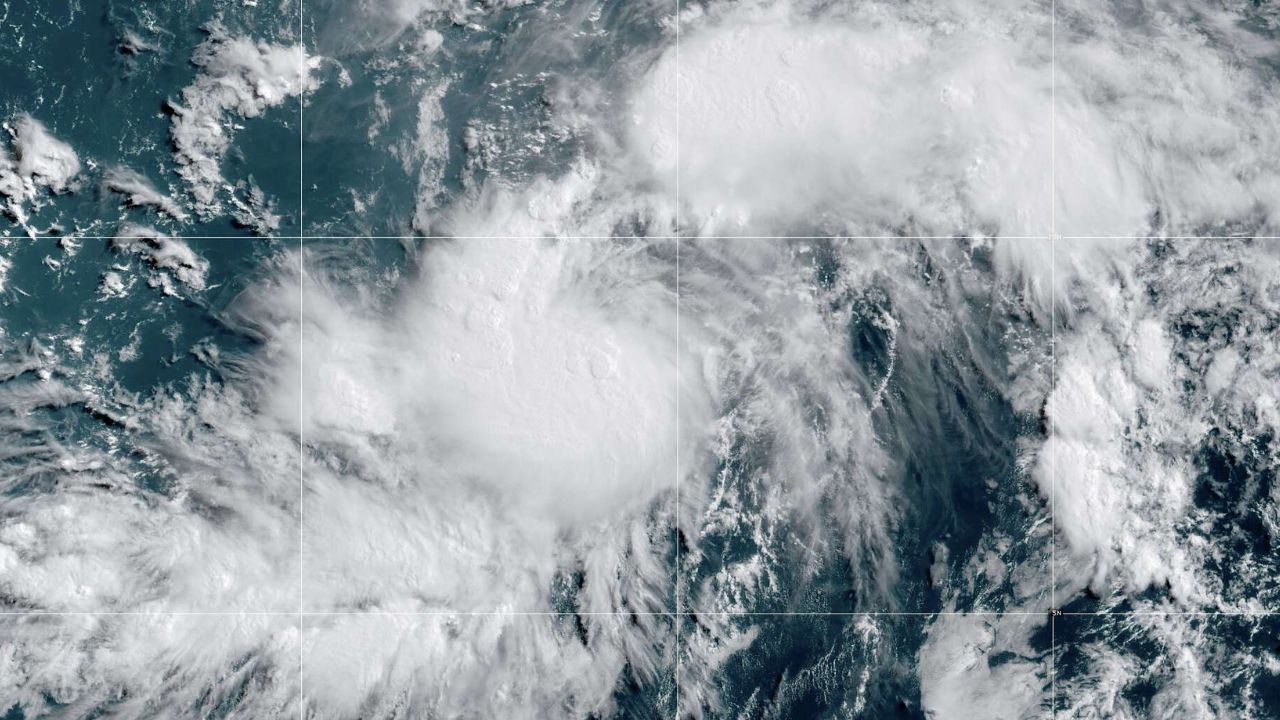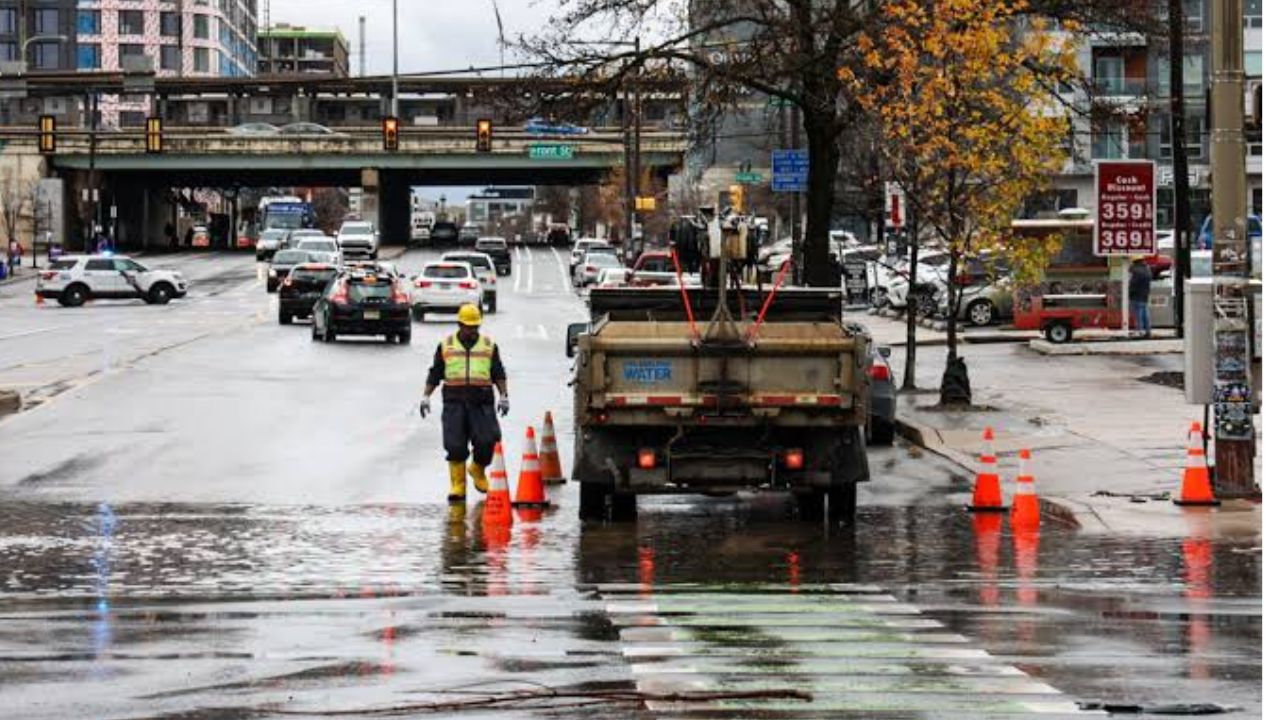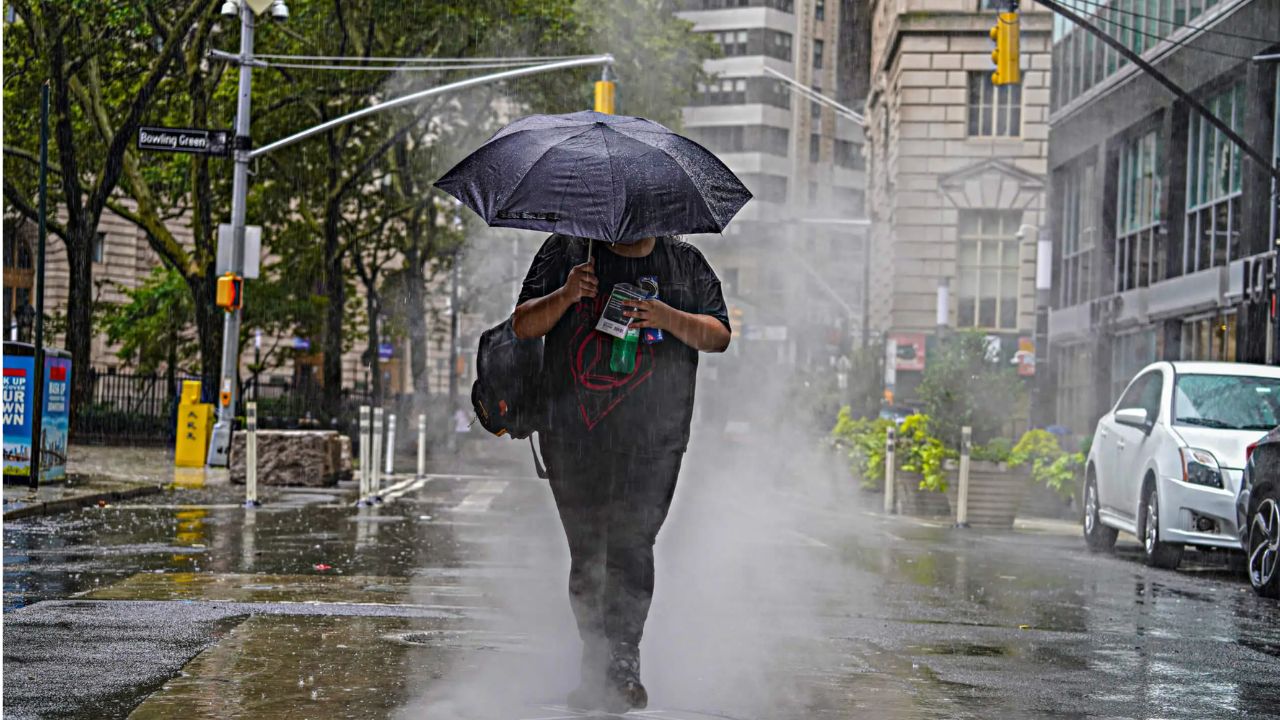
Albany, New York — Communities across the Northeast are beginning to assess the damage after powerful storms unleashed torrential rain, widespread flooding, and dangerous lightning overnight. While recovery efforts continue in parts of Pennsylvania, New Jersey, and New York, forecasters warn the same storm system is now shifting into New England, bringing a renewed threat of flash flooding and severe thunderstorms.
Flash Flood Threat Expands Into New England
Weather officials say the storm system that drenched much of the Northeast is expected to continue moving east, placing parts of Connecticut, central Massachusetts, southern Vermont, and surrounding areas at risk for additional flooding.
Some locations are under a Level 3 out of 4 risk for severe weather, with forecasters warning that storms could produce 1 to 2 inches of rain per hour. Such rainfall rates can quickly overwhelm drainage systems, especially in urban areas and locations that have already received significant rainfall.
Flash-flood warnings remained in effect Wednesday morning for parts of Connecticut and eastern New York, including the Albany region, where saturated ground increases the risk of rapidly rising water.
Heavy Rain Triggers Flooding Across Multiple States
The strongest storms moved through eastern Pennsylvania, New Jersey, and New York Tuesday into early Wednesday, dropping between 3 and 6 inches of rain in several communities.
The highest reported rainfall total reached 6 inches in Warren County, New Jersey, where floodwaters covered roads and created dangerous travel conditions.
Emergency crews responded to multiple water rescues in eastern Pennsylvania and New Jersey after drivers became trapped in flooded vehicles. Authorities urged residents to avoid driving through standing water, reminding motorists that floodwaters can be deeper and more powerful than they appear.
The severe weather also claimed one life, with officials reporting that a man died after being struck by lightning during the storms.
Travel Disruptions Continue Across the Region
The storms caused major disruptions to transportation throughout the Northeast.
Amtrak suspended Empire/Hudson Line service between New York City and Albany after high water levels and debris covered portions of the tracks in Columbia County, making rail travel unsafe until crews could inspect and clear the route.
Air travel also experienced widespread delays and cancellations.
More than 1,700 flights were canceled nationwide on Tuesday, with severe weather across the Northeast accounting for many of the disruptions. At one point, departing flights from Newark Liberty International Airport were delayed by approximately four hours, affecting travelers across the country.
Unexpected Hammerhead Shark Sighting Off Rhode Island Marks a Major Milestone in Shark Research
Officials advised passengers to check with airlines and transportation providers before heading to airports or train stations as weather-related impacts continued.
Storm Damage Extends Beyond Flooding
The severe weather produced additional hazards beyond heavy rain.
In Hackensack, New Jersey, a blown transformer during the storm ignited a fire that destroyed multiple vehicles and left more than 1,000 customers without electricity.
Meanwhile, the National Weather Service confirmed that a tornado touched down in Trappe, Maryland. Survey teams are continuing to assess the damage to determine the tornado’s strength and final rating.
Meteorologists warn that as the storm system moves into New England, residents should remain alert for rapidly changing weather conditions, possible flash flooding, damaging wind gusts, and isolated severe thunderstorms.
Officials continue urging people to monitor weather alerts, avoid flooded roadways, and seek shelter immediately if severe weather warnings are issued.
Have you been affected by the recent storms or flooding in the Northeast? Share your experience and let others know how conditions are changing in your area in the comments below.