Las Vegas, Nevada — The water crisis affecting the Colorado River Basin has reached another troubling milestone as Lake Mead and Lake Powell, the two largest reservoirs in the United States, have fallen to their lowest combined storage level on record, according to new data from the U.S. Bureau of Reclamation and the University of Colorado.
While the record-low water levels underscore the growing challenges facing the American Southwest, forecasters say an emerging Super El Niño could provide some much-needed relief later this year by bringing increased rain and mountain snowfall across parts of the western United States.
Lake Mead and Lake Powell Reach Historic Milestone
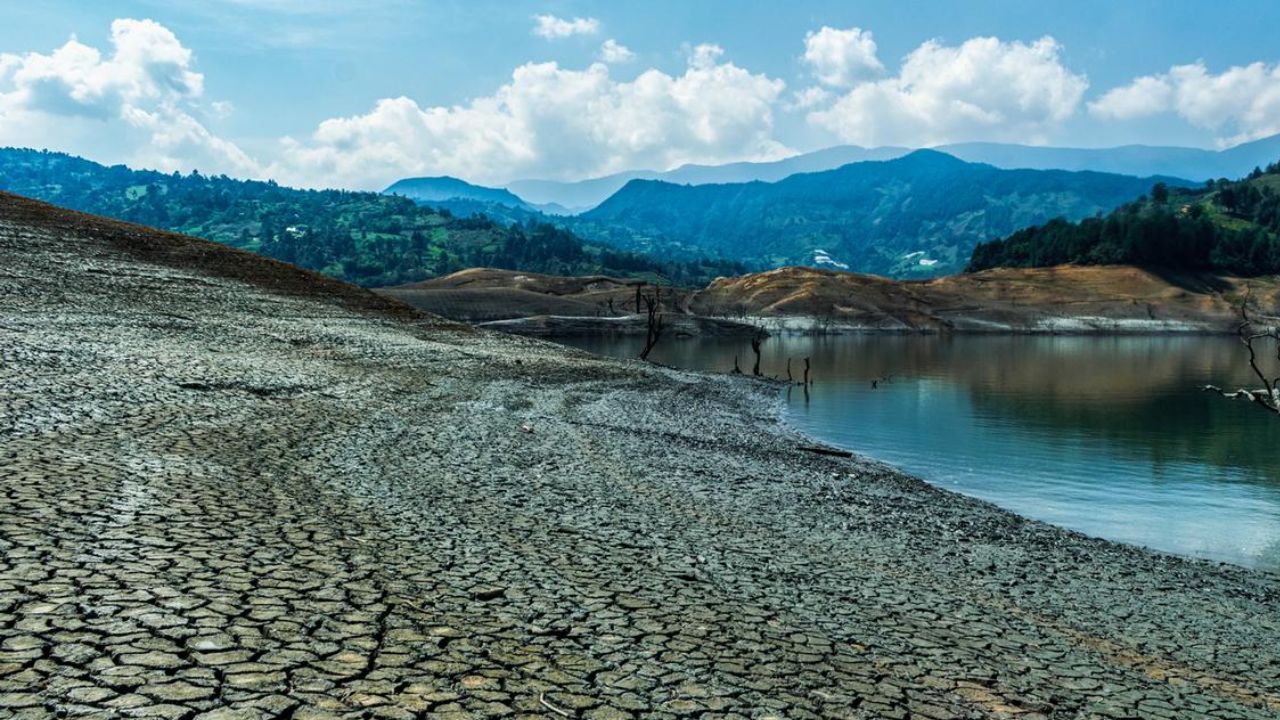
New analysis shows the combined storage of Lake Mead and Lake Powell dropped to approximately 12.7 million acre-feet on July 12, surpassing the previous record low set in March 2023.
According to the University of Colorado, this marks the lowest combined storage level since May 23, 1957, when all of the stored water remained in Lake Mead because Lake Powell had not yet begun filling during construction of Glen Canyon Dam.
Meanwhile, the U.S. Bureau of Reclamation reported Lake Powell’s elevation had fallen to a record-low 3,523 feet, reflecting another sign of the region’s ongoing drought and declining water supplies.
Why the Colorado River Is Under Pressure
Lake Mead and Lake Powell serve as the primary storage reservoirs for the Colorado River, a critical water source for roughly 40 million people living in Arizona, California, Colorado, Nevada, New Mexico, Utah and Wyoming.
The river depends heavily on snowpack from the Intermountain West. However, this past winter produced significantly below-average snowfall, reducing the amount of runoff flowing into the reservoirs.
As a result, water levels have continued to decline despite ongoing conservation efforts throughout the basin.
Could a Super El Niño Bring Long-Awaited Relief?
Meteorologists say there is growing optimism that weather patterns could improve during the upcoming fall and winter.
According to the National Oceanic and Atmospheric Administration (NOAA), the likelihood of a Super El Niño developing in the central Pacific has increased, raising the chances of a wetter-than-normal winter across parts of the western United States.
El Niño is a naturally occurring climate pattern that changes ocean temperatures in the Pacific Ocean and influences weather around the world.
For the western United States, it often means a stronger Pacific jet stream capable of delivering more frequent storms into California and neighboring states.
If those forecasts materialize, increased rainfall and mountain snowfall could improve spring runoff into the Colorado River system, helping replenish both Lake Mead and Lake Powell.
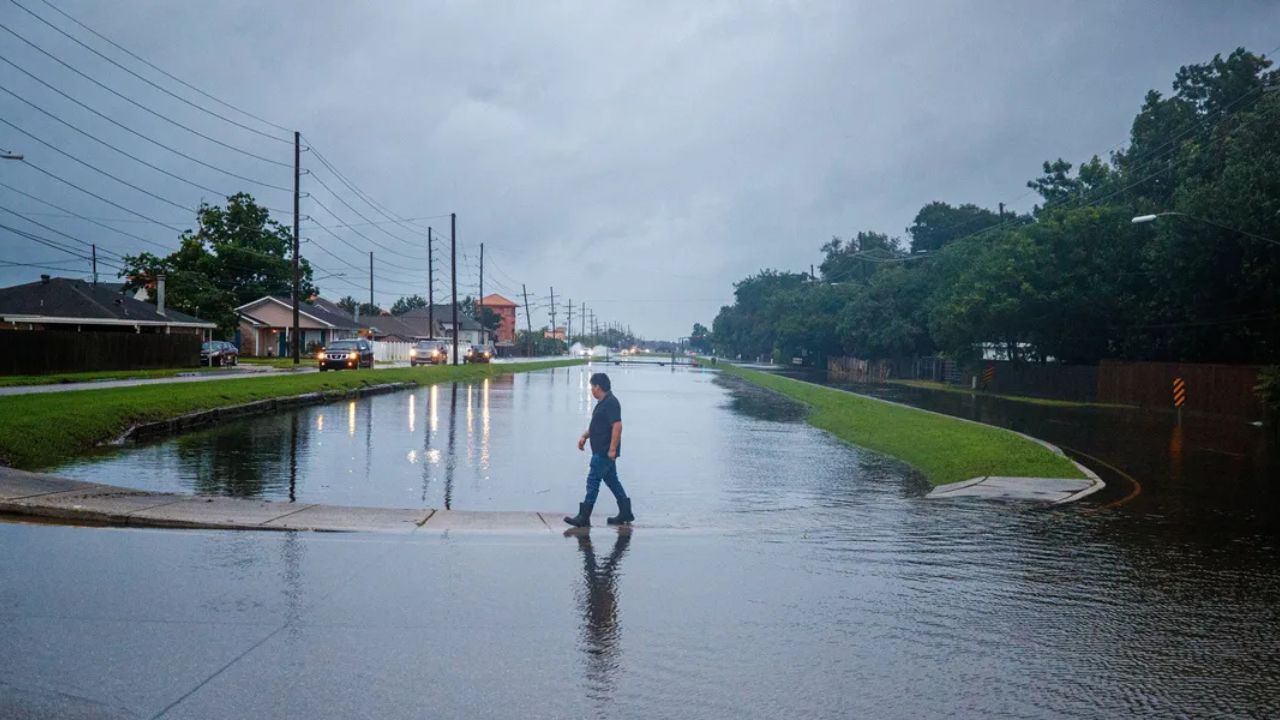
Tropical Storm Bertha Makes Louisiana Landfall as 45 MPH Winds, Storm Surge Hit Gulf Coast
Experts Warn One Wet Winter Won’t End the Crisis
Despite the encouraging outlook, water experts stress that even an exceptionally wet winter would only provide temporary relief after decades of declining reservoir levels.
The University of Colorado warned that until runoff from the 2026-2027 winter snowpack begins next spring, new record-low water levels are likely to continue being set.
“Every day going forward, until runoff from the 2026-2027 winter snowpack begins next spring, a new record low will likely be set,” the University of Colorado said. “This is a significant moment in the evolving Colorado River water supply crisis.”
Even if El Niño delivers above-average precipitation, experts say long-term water conservation, improved management strategies and sustained wet years will still be necessary to meaningfully restore the reservoirs after more than 26 years of declining storage.
Do you think a strong El Niño could provide enough relief for the Colorado River system, or will long-term conservation remain the only solution? Share your thoughts respectfully in the comments below.