New York City, New York — A group of disabled residents on Manhattan’s Upper West Side has filed a federal lawsuit challenging New York City’s controversial plan to redesign West 72nd Street, arguing the proposed protected bike lane would make daily travel significantly more difficult and leave many feeling isolated in their own neighborhood.
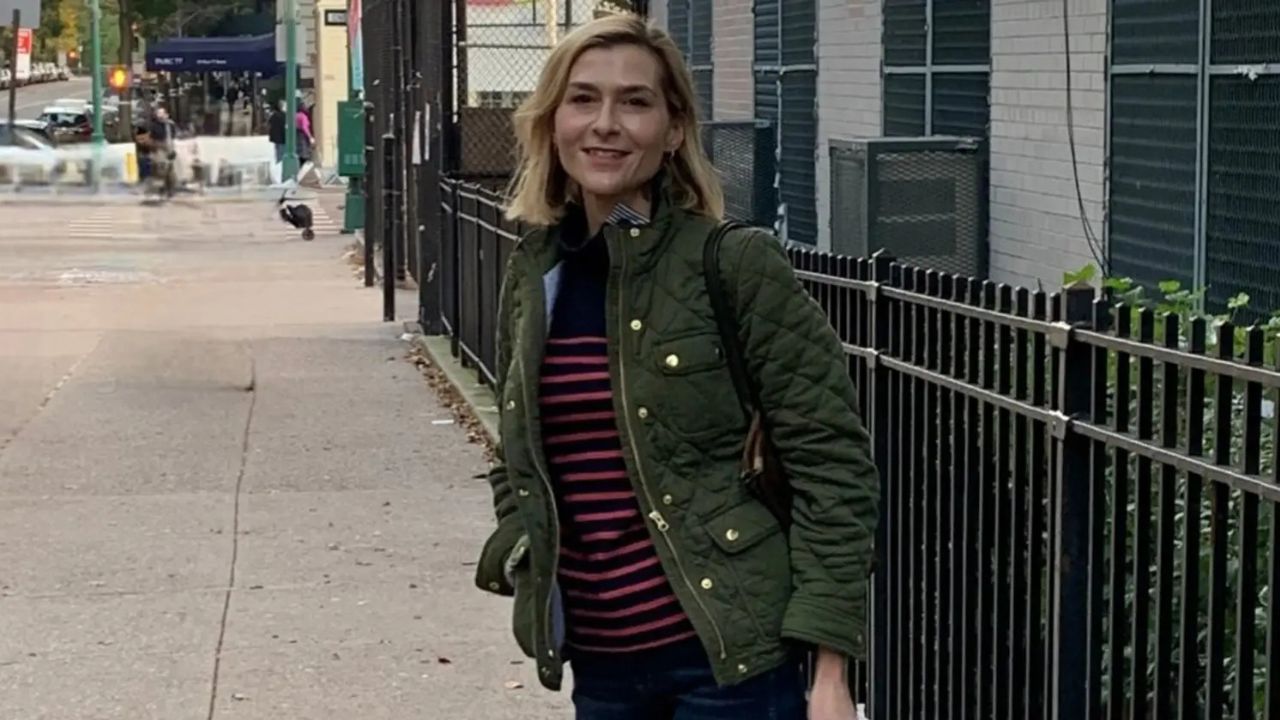
The lawsuit, filed Friday in Manhattan federal court, names seven plaintiffs, including a legally blind woman and others who rely on wheelchairs, walkers, scooters and canes to get around.
According to the complaint, the planned redesign would create new barriers for disabled residents trying to reach taxis, buses, Access-A-Ride vehicles and emergency transportation.
Residents Say Bike Lane Would Make Daily Travel More Difficult
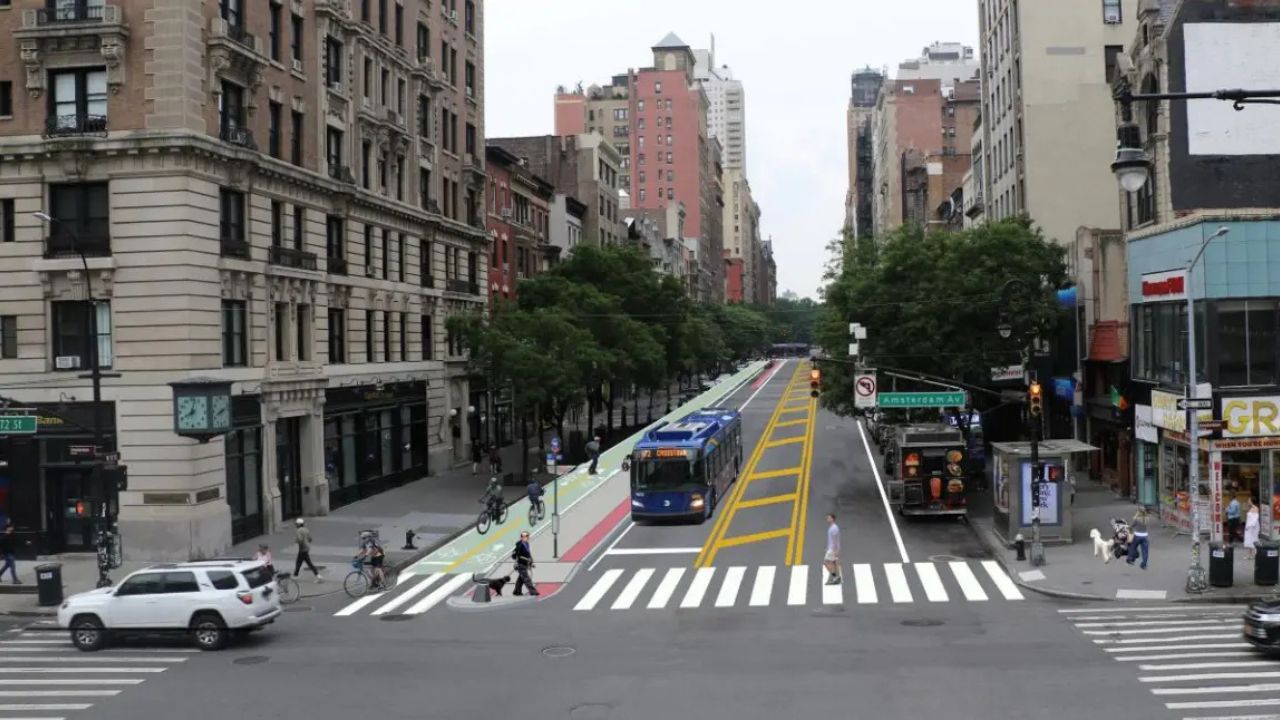
The city’s proposal would reduce vehicle traffic lanes from four to two while relocating curbside parking away from the sidewalk to create a protected two-way bicycle lane along the north side of West 72nd Street between Central Park West and Riverside Drive.
The plaintiffs argue the redesign would require them to cross an active bike lane used by cyclists and e-scooter riders before reaching passenger pick-up areas.
According to the lawsuit, many disabled residents fear navigating fast-moving bicycle traffic and could choose to stay home rather than risk crossing the lane.
Court filings state that the redesign would effectively make the plaintiffs “virtual shut-ins” because of those safety concerns.
Lawsuit Alleges ADA Violations
The lawsuit contends that the city’s transportation plan violates the Americans with Disabilities Act (ADA) as well as New York State and New York City human rights laws.
Attorney Hartley Bernstein, who represents the plaintiffs, argued that the city could have chosen an alternative design that would have had less impact on disabled residents.
“The whole concept doesn’t make any sense,” Bernstein said. “It’s a busy street with 20,000 residents and a large proportion of seniors.”
He also suggested that one-way bike lanes on nearby streets could provide a safer alternative while still accommodating cyclists.
The plaintiffs are asking the court to halt construction, restore the previous street configuration and award at least $225,000 in damages for each plaintiff, along with attorneys’ fees.
Community Opposition Continues to Grow
The lawsuit follows months of opposition from some Upper West Side residents and business owners who have voiced concerns during public meetings and demonstrations.
Critics argue the redesign could create additional challenges for seniors, emergency responders and people with disabilities.
The legal challenge also comes as broader debates continue over New York City’s expanding bicycle infrastructure and policies affecting e-bike traffic.
Attorney Bernstein has previously challenged other city bike lane projects, including one in Astoria, Queens, where residents and firefighters raised concerns about emergency access.
City and Bike Advocates Defend the Project
Despite the lawsuit, city officials and transportation advocates continue to support the redesign.
Transportation Alternatives Executive Director Ben Furnas said the project is intended to improve safety rather than limit accessibility.
“Prioritizing safety in no way bars or impairs anyone from using 72nd Street — quite the opposite, it turns a dangerous street into a better one for seniors, children, and disabled New Yorkers.”
Furnas added that cars, buses, trucks and emergency vehicles would continue to have access to the corridor after construction is completed, while shorter crossings and redesigned infrastructure would improve overall street safety.
The lawsuit remains pending, and a federal court will ultimately determine whether the project can move forward as planned or whether changes will be required before construction continues.
What do you think about this dispute? Should cities prioritize expanding protected bike lanes, or should accessibility concerns for disabled residents carry greater weight in street redesign projects? Share your thoughts respectfully in the comments below.