Denver, Colorado — While millions across the eastern half of the United States continue to endure sweltering temperatures and oppressive humidity through the Independence Day holiday, forecasters say a major weather pattern shift is on the way. The intense heat gripping the East is expected to ease gradually, but the relief will come at the expense of the western United States, where a powerful new heat dome is forecast to develop next week.
Meteorologists say the changing pattern could bring the hottest temperatures of the season so far to several western states while also increasing concerns about wildfire activity, smoke-filled skies and poor air quality.
Heat Dome Expected to Build Across the Western States
The massive heat dome that formed over the central United States earlier this week has slowly drifted eastward and is expected to weaken over the Southeast during the weekend.
As the high-pressure system breaks down, cooler air and more frequent thunderstorms are expected to spread across parts of the Midwest and Northeast next week.
At the same time, another strong area of high pressure is forecast to strengthen between the Rocky Mountains and the Pacific Coast, allowing temperatures to climb steadily across much of the West.
Forecasters expect many locations to experience temperatures ranging from 10 to 20 degrees above the seasonal average by the middle of July.
Triple-Digit Heat Could Break Seasonal Highs
Several major western cities are expected to experience some of their hottest weather of 2026.
The new heat wave may surpass the extreme temperatures recorded during spring heat events in cities including Phoenix, Las Vegas and Palm Springs.
In Denver, daytime highs are expected to remain in the low to mid-90s for much of next week before climbing into the upper 90s or even approaching 100 degrees by next weekend.
Salt Lake City could also see temperatures rise from the mid-90s early next week to the low 100s during the following week if the current forecast holds.
The prolonged stretch of intense heat is expected to place additional stress on vulnerable populations, especially older adults, young children and those spending extended periods outdoors.
Wildfire Smoke and Air Quality Concerns Increase
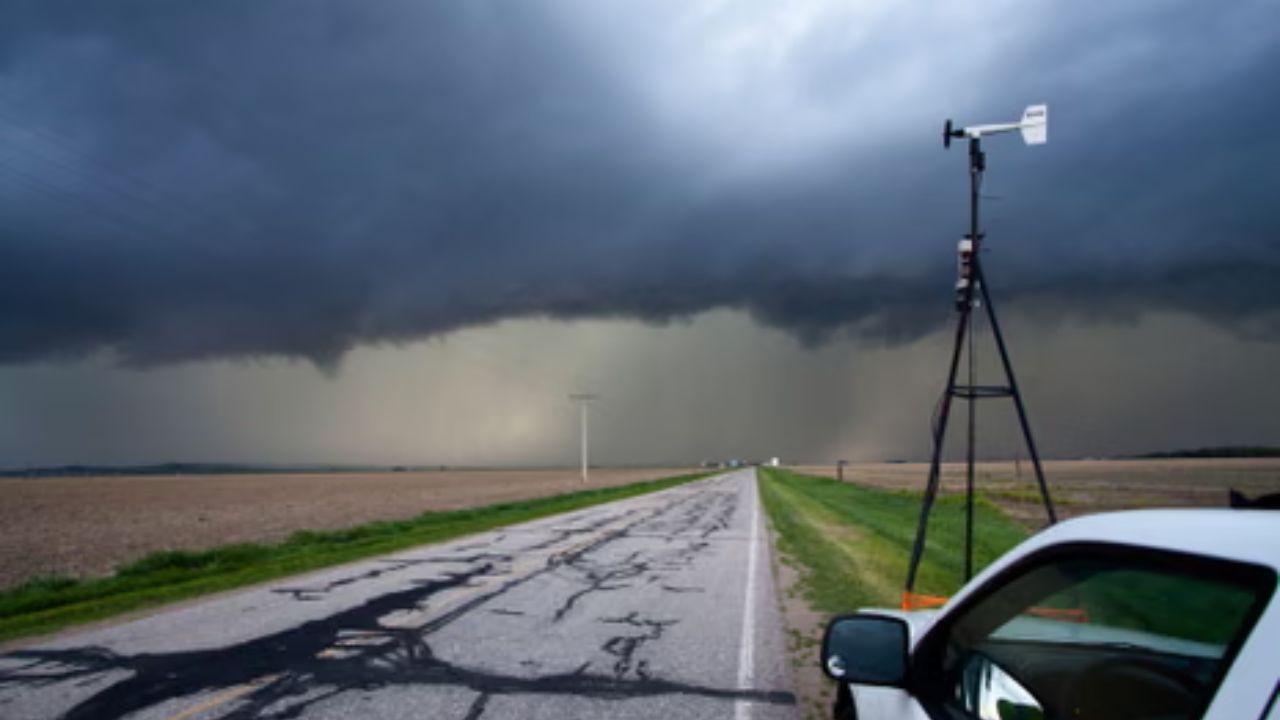
Meteorologists warn that a temperature inversion developing beneath the heat dome could create light winds capable of trapping wildfire smoke across parts of the interior West.
As a result, many communities may experience reduced visibility and deteriorating air quality.
People with asthma, chronic respiratory conditions or other health concerns may face a higher risk of breathing difficulties during periods of heavy smoke.
Although lighter winds may help firefighters contain some existing wildfires, the combination of prolonged heat and extremely dry conditions could create favorable conditions for new fires to ignite.
According to reports, more than 400,000 acres have burned across the West over the past week, with Utah accounting for a significant share of the wildfire activity nationwide.
Hurricane Season Is Running Behind Schedule, but Experts Warn the Calm May Not Last Much Longer
North American Monsoon Could Bring Relief Later in July
Forecasters expect the North American monsoon to become more active around the middle of July, bringing increased moisture into the Southwest.
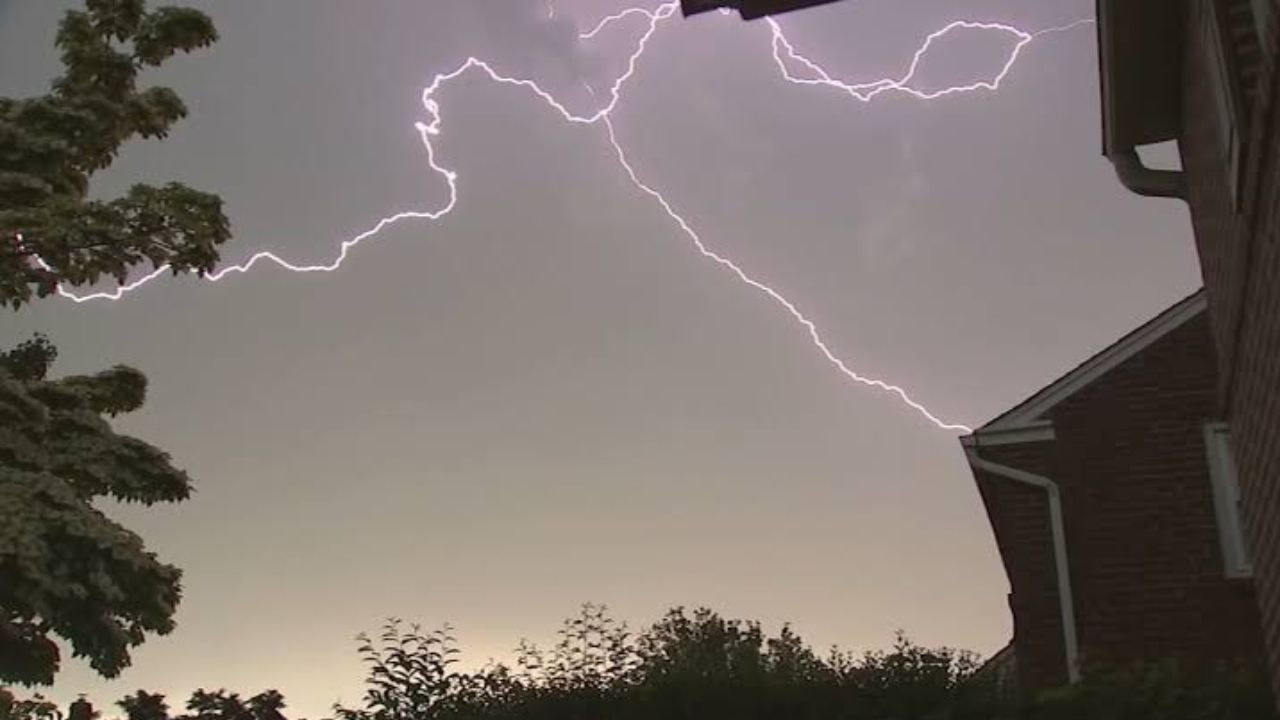
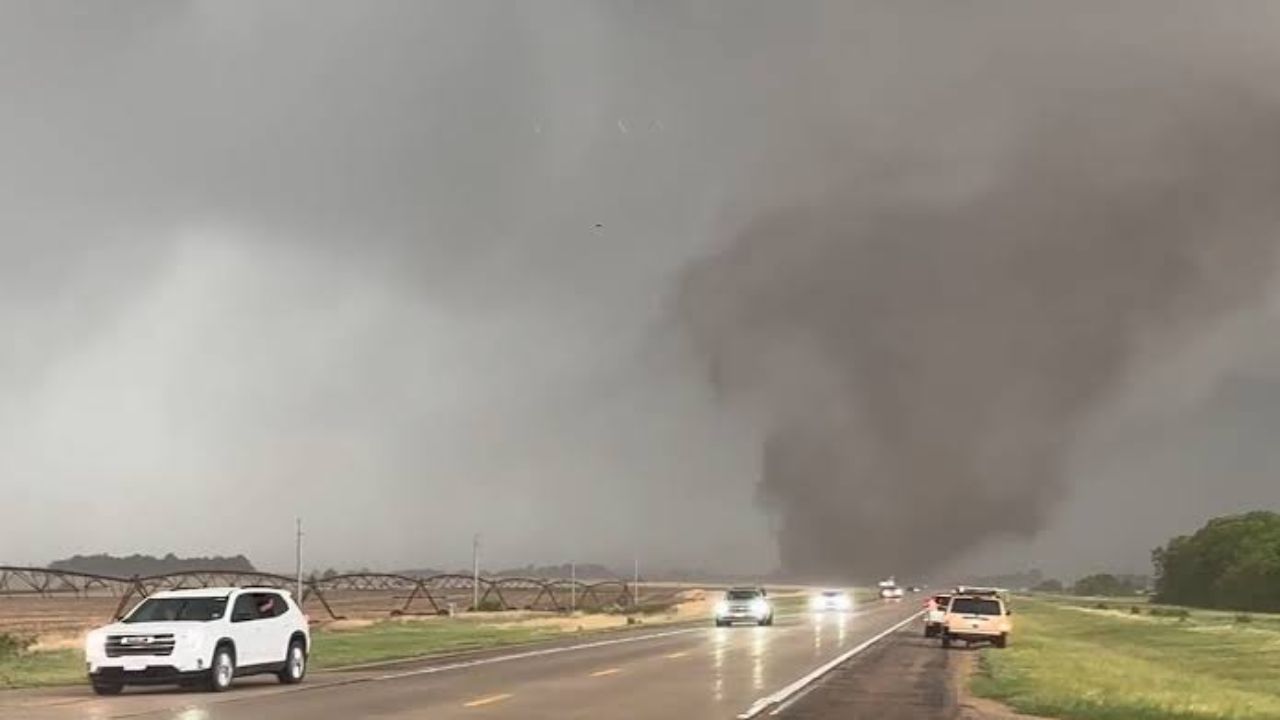
Initially, thunderstorms may produce little rainfall, increasing the possibility of dry lightning, new wildfire starts and large dust storms known as haboobs.
As the monsoon strengthens and spreads farther north, humidity levels are expected to rise, leading to more widespread rainfall. While that could reduce wildfire danger and improve drought conditions in some areas, it may also increase the risk of localized flash flooding, particularly in burn scar areas and normally flood-prone locations.
Until meaningful rainfall arrives, much of the western United States is expected to remain under abnormally dry to exceptional drought conditions, keeping fire danger elevated through the coming weeks.
Do you think this summer could bring one of the most intense wildfire and heat seasons in recent years? If you’re in an area expecting extreme temperatures, share how you’re preparing and join the conversation in the comments.