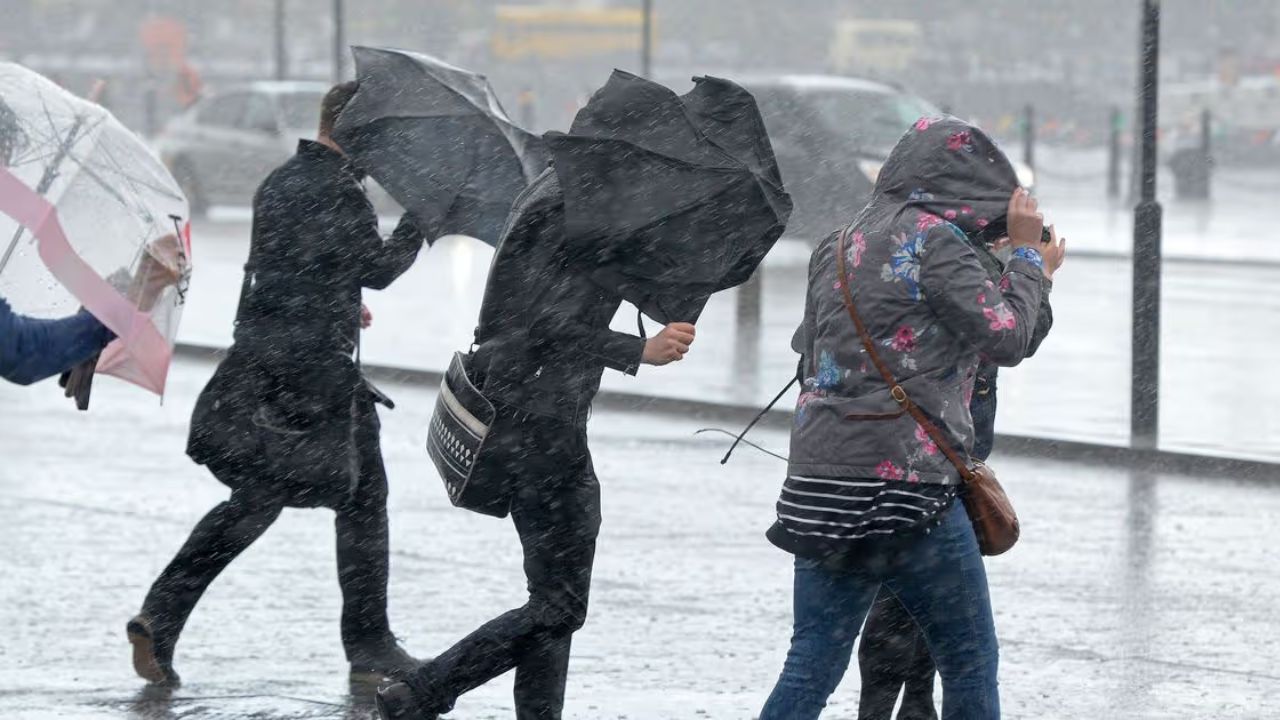
Denver, Colorado — Colorado is facing an active stretch of severe weather as forecasters warn that thunderstorms capable of producing large hail, damaging winds, and heavy rainfall could impact parts of the state for several days.
The severe weather threat shifted westward Tuesday, placing eastern Colorado and portions of the central High Plains under heightened risk as atmospheric conditions become increasingly favorable for powerful storm development.
Meteorologists say a combination of moisture, heat, and strong upper-level winds is creating the perfect environment for severe thunderstorms across the region.
Powerful Weather Ingredients Fuel Storm Development
The developing weather pattern is being driven by warm, moisture-rich air moving northward from the Gulf of America while strong winds aloft sweep across the Rocky Mountains.
When these ingredients combine, they create conditions that can transform ordinary afternoon thunderstorms into powerful rotating storms capable of producing significant severe weather.
Forecasters say storms are expected to develop during the afternoon and evening hours, particularly across eastern Colorado and neighboring portions of Kansas and Wyoming.
Initially, thunderstorms may form as isolated rotating cells before organizing into larger storm complexes as they move eastward.
Tornadoes, Giant Hail and Extreme Winds Already Reported
The severe weather pattern has already produced dangerous conditions across parts of the High Plains. Earlier this week, officials confirmed a tornado in eastern Wyoming as strong thunderstorms swept through the region.
Colorado also experienced intense weather impacts, including wind gusts reaching 113 mph near Akron, strong enough to cause significant damage.
Large hail accompanied many of the storms.
In one of the most notable reports, hailstones measuring up to 3 inches in diameter fell near Sterling, Colorado, highlighting the potential severity of the storms moving through the region.
These early impacts are a reminder that the threat extends beyond heavy rain and includes hazards capable of damaging vehicles, homes, crops, and infrastructure.
Eastern Colorado Faces Continued Risk Through Thursday
Weather experts expect eastern Colorado and western Kansas to face the greatest threat on Tuesday. However, the focus of severe weather is forecast to shift slightly on Wednesday and Thursday.
During that period, the highest risk area will likely extend along the higher-elevation plains of eastern Colorado and southeastern Wyoming.
Meteorologists say a persistent weather pattern will continue feeding moisture toward the Rocky Mountains, creating favorable conditions for new thunderstorms to develop each afternoon.
As a result, communities along the Front Range and nearby High Plains could experience repeated rounds of severe weather rather than a single storm event.
Repeated Storms Could Bring Heavy Rainfall
Unlike a one-time weather system, forecasters expect storms to redevelop over multiple days.
This pattern increases the likelihood that some locations could experience several rounds of thunderstorms, leading to periods of heavy rainfall and localized flooding concerns.
Areas repeatedly impacted by storms may see rapidly changing weather conditions, including strong winds, frequent lightning, and hail.
Residents are encouraged to closely monitor forecasts and remain prepared for severe weather warnings throughout the week.
Rain Comes as Drought Concerns Persist
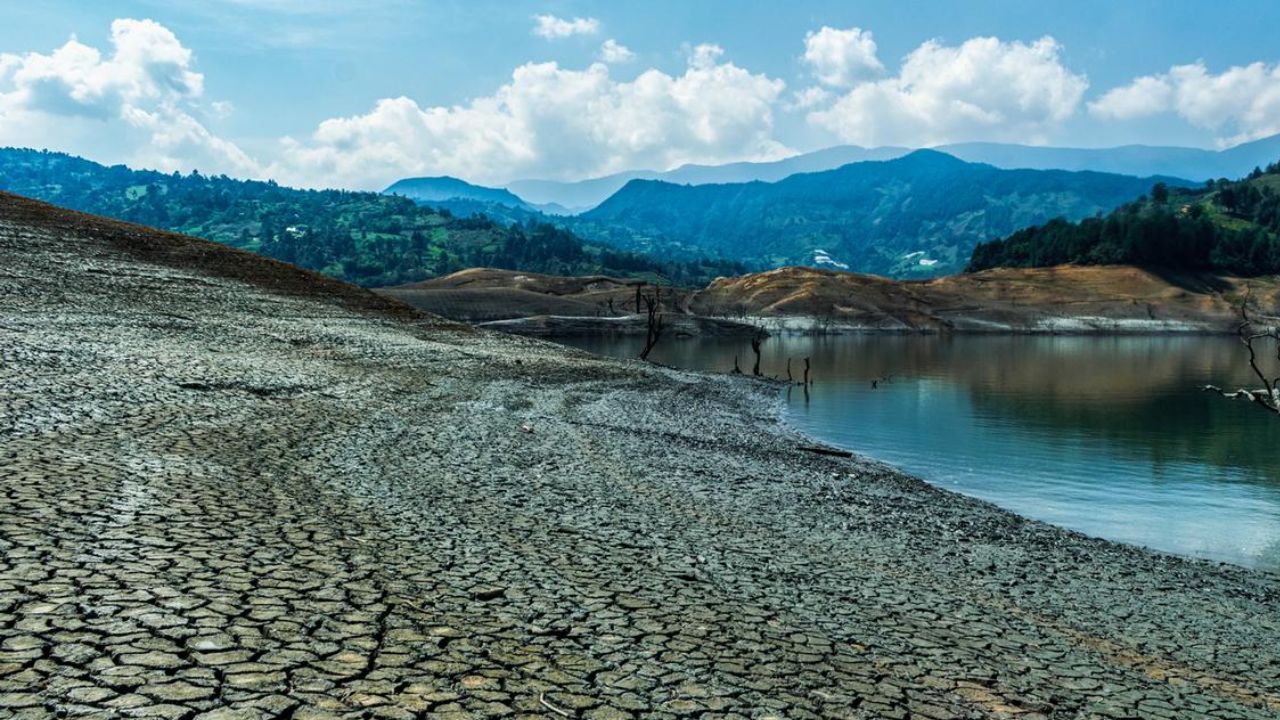
Although thunderstorms may bring beneficial rainfall to parts of Colorado, drought conditions remain a significant concern across much of the state.
According to the U.S. Drought Monitor, Denver County remains in drought, while portions of the Front Range continue to experience conditions ranging from moderate drought (D1) to severe drought (D2).
A winter season that produced below-average snowfall left many areas with ongoing moisture deficits heading into summer.
While this week’s storms may provide some relief, experts caution that a few days of rainfall are unlikely to eliminate long-term drought concerns across the region.
Have severe storms impacted your area this year? What weather preparations do you take when hail, strong winds, or tornado threats are in the forecast? Share your thoughts in the comments below.