United States — Americans preparing for Fourth of July celebrations are facing dramatically different weather conditions depending on where they live, with much of the country enduring dangerous heat while parts of the West experience an unusual burst of mountain snow.
Forecasters say the weather pattern will create a stark contrast across the nation during one of the busiest travel weeks of the year, bringing potentially record-breaking temperatures to the East and Central U.S. while unusually cool air continues to impact portions of the Northwest and northern Rockies.
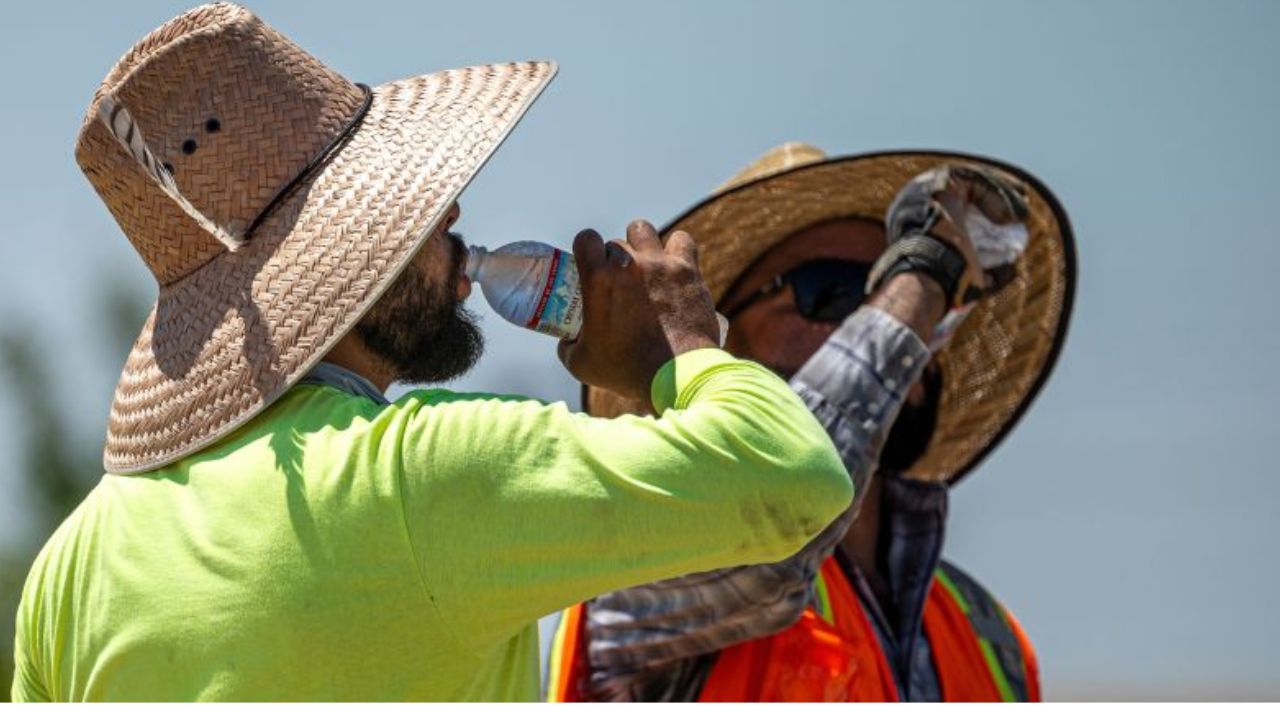
Dangerous Heat Wave Expands Across the East and Central U.S.
The National Weather Service is warning that a prolonged heat wave will continue building through the week, placing more than 175 million people under heat advisories, watches, or warnings.
Large portions of the central and eastern United States are expected to experience daytime temperatures climbing into the 90s and lower 100s, while humidity will make conditions feel even hotter.
Forecasters say the heat index could reach between 105°F and 115°F across parts of the southern Plains, Mid-Mississippi Valley, and eventually portions of the Mid-Atlantic.
In addition to the daytime heat, warm overnight temperatures are expected to provide little relief.
The National Weather Service also warned that dozens of record high temperatures could be broken across much of the Northeast later this week as the holiday approaches.
Officials Urge Residents to Take Heat Precautions
Weather experts say prolonged exposure to extreme heat significantly increases the risk of heat-related illnesses, particularly for older adults, young children, outdoor workers, and people without access to air conditioning.
The Weather Prediction Center warned that limited overnight cooling could further increase health risks during the extended heat wave.
Officials recommend several precautions, including:
- Drinking plenty of water throughout the day.
- Staying indoors or in air-conditioned buildings whenever possible.
- Avoiding prolonged outdoor activity during the hottest hours.
- Never leaving children or pets inside parked vehicles.
- Checking on elderly relatives, neighbors, and anyone without adequate cooling.
Emergency managers are encouraging residents to remain aware of local heat advisories throughout the holiday week.
Wildfire Risk Remains Elevated Across the West
While extreme heat dominates much of the country, weather conditions are also increasing wildfire concerns across several western states.
More than 3.7 million Americans are currently under Red Flag Warnings as strong winds, dry vegetation, and low humidity create favorable conditions for fast-moving wildfires.
States facing elevated fire danger include:
- Utah
- Colorado
- Arizona
- New Mexico
- Wyoming
- Nebraska
- South Dakota
Officials continue urging residents to avoid activities that could accidentally spark new fires during the dangerous weather conditions.
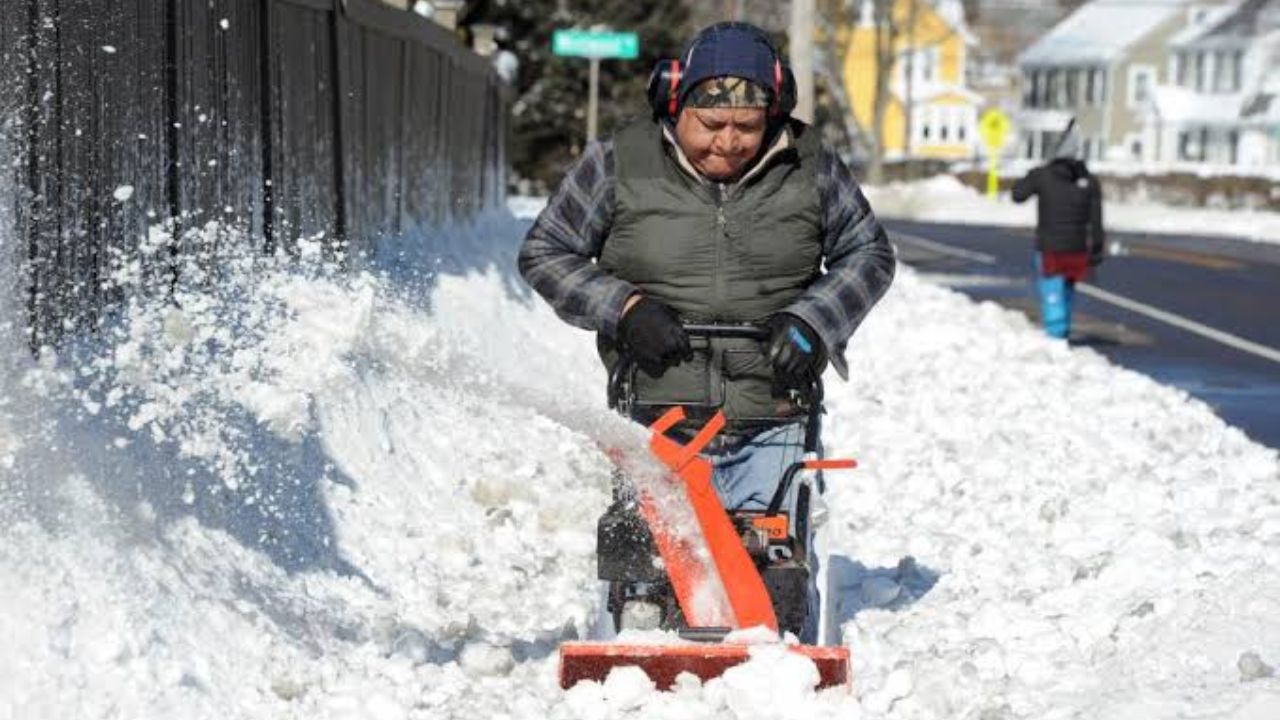
Rare June Snow Falls in the Northern Rockies
In sharp contrast to the dangerous heat elsewhere, much of the western United States remains cooler than average.
A persistent weather system over the Pacific Northwest has kept temperatures well below seasonal norms while delivering an unusual round of mountain snowfall.
One of the most remarkable reports came from Darkhorse Lake near Jackson, Montana, where approximately 21 inches of snow accumulated at an elevation of nearly 6,500 feet.
Additional snowfall was recorded at Williams Creek Summit near Cobalt, Idaho, where about 8 inches fell.
Winter weather advisories also remain in effect for portions of Montana’s Absaroka-Beartooth Wilderness, where more than 1,000 people have been impacted by the unusual late-season conditions.
Holiday Travelers Should Prepare for Rapid Weather Changes
Meteorologists say the unusual weather pattern highlights the dramatic contrasts affecting the United States this week.
Whether facing dangerous heat in the East or unexpected mountain snow in the West, travelers are encouraged to monitor local forecasts, prepare for rapidly changing conditions, and follow guidance from weather officials.
With millions expected to travel for Independence Day celebrations, staying informed could help reduce weather-related risks during one of the busiest weeks of the summer.
How is the weather looking where you plan to celebrate the Fourth of July? Are you preparing for extreme heat, storms, or cooler temperatures? Share your local conditions in the comments below.