United States — Beachgoers planning summer outings may want to double-check local advisories before heading to the water, as health officials across several states have issued warnings and closures due to elevated bacteria levels.
Multiple beaches in Massachusetts, Iowa, Washington, and New Jersey are currently affected by water quality concerns, prompting officials to either restrict swimming or advise visitors about potential health risks.
The advisories come during one of the busiest beach seasons of the year as families head outdoors for summer recreation.
Massachusetts Beaches Closed Due to Bacterial Exceedance
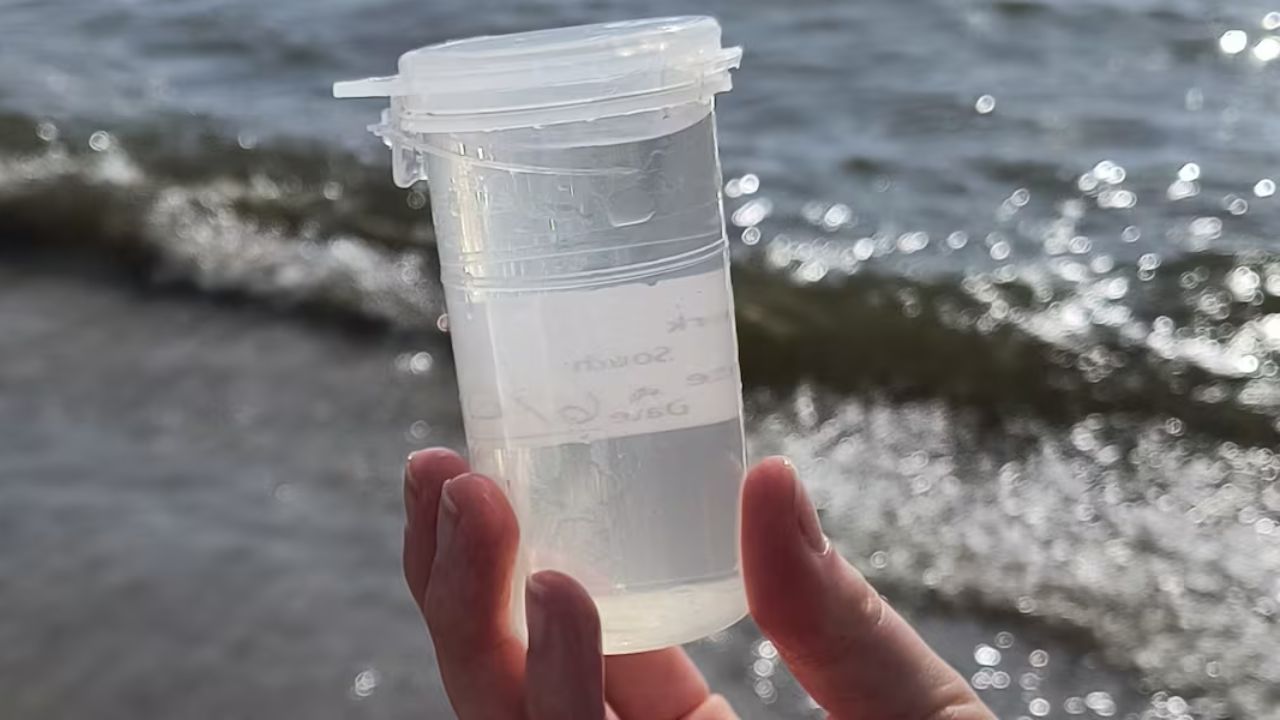
Health officials in Massachusetts have closed several beaches after water testing revealed bacteria levels exceeding state safety standards.
As of June 18, the following beaches were listed as closed due to bacterial contamination:
- Damon Pond Beach in Ashby
- Both beaches at Cliff Pond in Brewster
- Forest River Beach in Salem
- Juniper Point Beach in Salem
- Shannon Beach in Winchester
State health authorities classified the closures under “Bacterial Exceedance,” indicating that water samples exceeded acceptable public health thresholds.
Officials continue to monitor conditions and conduct additional testing before reopening the affected locations.
Iowa Beaches Flagged for Elevated E. Coli Levels
In Iowa, state environmental officials have identified several beaches where swimming is currently discouraged because of elevated E. coli concentrations.
Affected locations include:
- Black Hawk Beach in Lake View
- Pleasant Creek Beach in Palo
- Backbone Beach in Dundee
- Lake Darling Beach in Brighton
The Iowa Department of Natural Resources said testing showed bacteria levels that could pose health concerns for swimmers.
Although E. coli itself is often naturally present in the environment, elevated concentrations can indicate the presence of other harmful organisms associated with fecal contamination.
Washington and New Jersey Also Issue Warnings
On the West Coast, officials temporarily closed Lake Meridian Park Beach near Seattle due to high bacteria levels detected during routine water testing.
Meanwhile, New Jersey has issued swimming advisories for six beaches after elevated levels of enterococci were detected.
Among the impacted locations are:
- Beachwood Beach West
- Cedar Point Beach along the Toms River
- Three freshwater monitoring areas in Lower Township near Delaware Bay
While New Jersey has not fully closed any beaches at this time, officials are advising visitors to use caution until water quality improves.
Why Health Officials Are Concerned
According to environmental and public health agencies, bacteria such as E. coli and enterococci are commonly used as indicators of water contamination.
Their presence may suggest that human or animal waste has entered the water through sources such as:
- Stormwater runoff
- Failing septic systems
- Wastewater treatment discharges
- Wildlife waste
- Recreational boat sewage
Although these bacteria are not always harmful by themselves, they can signal the presence of other disease-causing organisms.
Potential Health Risks for Swimmers
Experts warn that exposure to contaminated water can lead to a range of health problems.
The most common symptoms include stomach cramps, diarrhea, nausea, and other gastrointestinal illnesses. However, more serious complications can occur in vulnerable groups, including:
- Young children
- Older adults
- Individuals with weakened immune systems
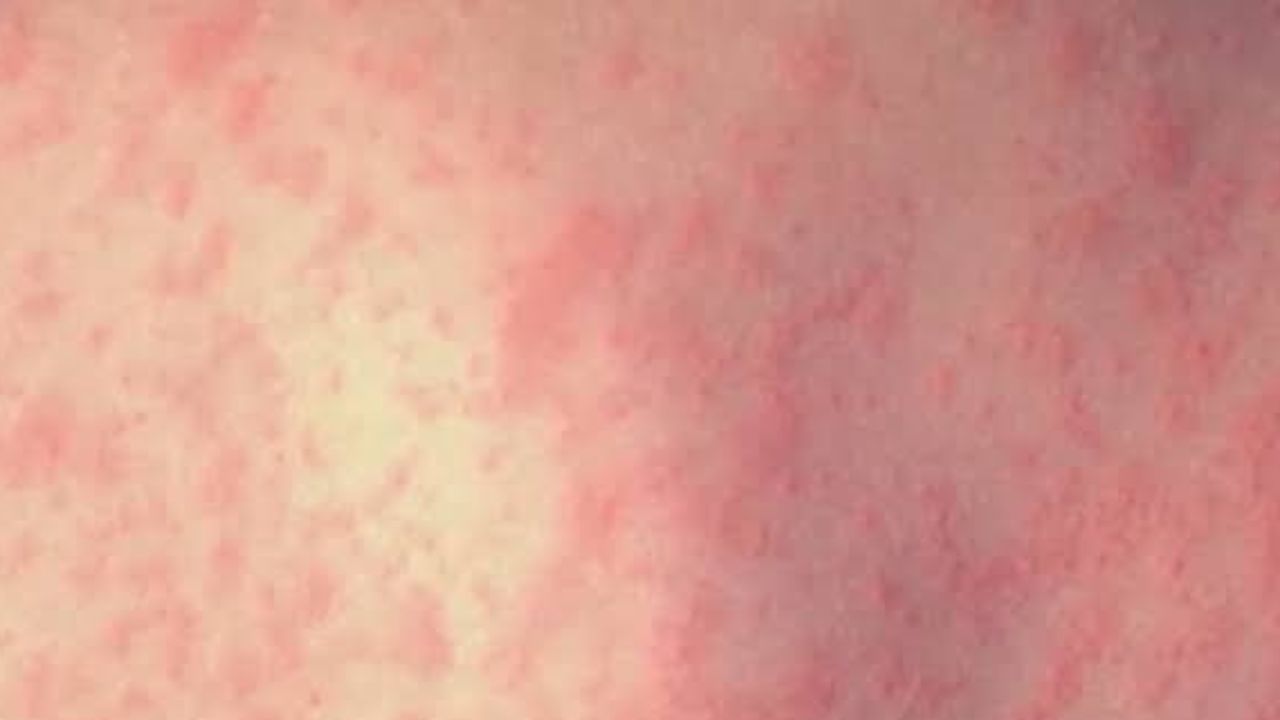
In some cases, contaminated water may also contribute to infections affecting the skin, eyes, ears, or respiratory system.
Health officials recommend avoiding swimming in waters under advisory and paying close attention to local updates before visiting beaches this summer.
Beach Conditions Can Change Quickly
Water quality conditions can improve rapidly following additional testing, meaning closures and advisories are often temporary.
Officials encourage residents and visitors to check state and local beach monitoring websites before traveling to ensure conditions remain safe for recreational activities.
As summer temperatures rise and beach attendance increases, ongoing monitoring efforts will continue to play an important role in protecting public health.
Have you ever arrived at a beach only to discover a swimming advisory or closure? Do you regularly check water quality reports before visiting? Share your thoughts and experiences in the comments below.