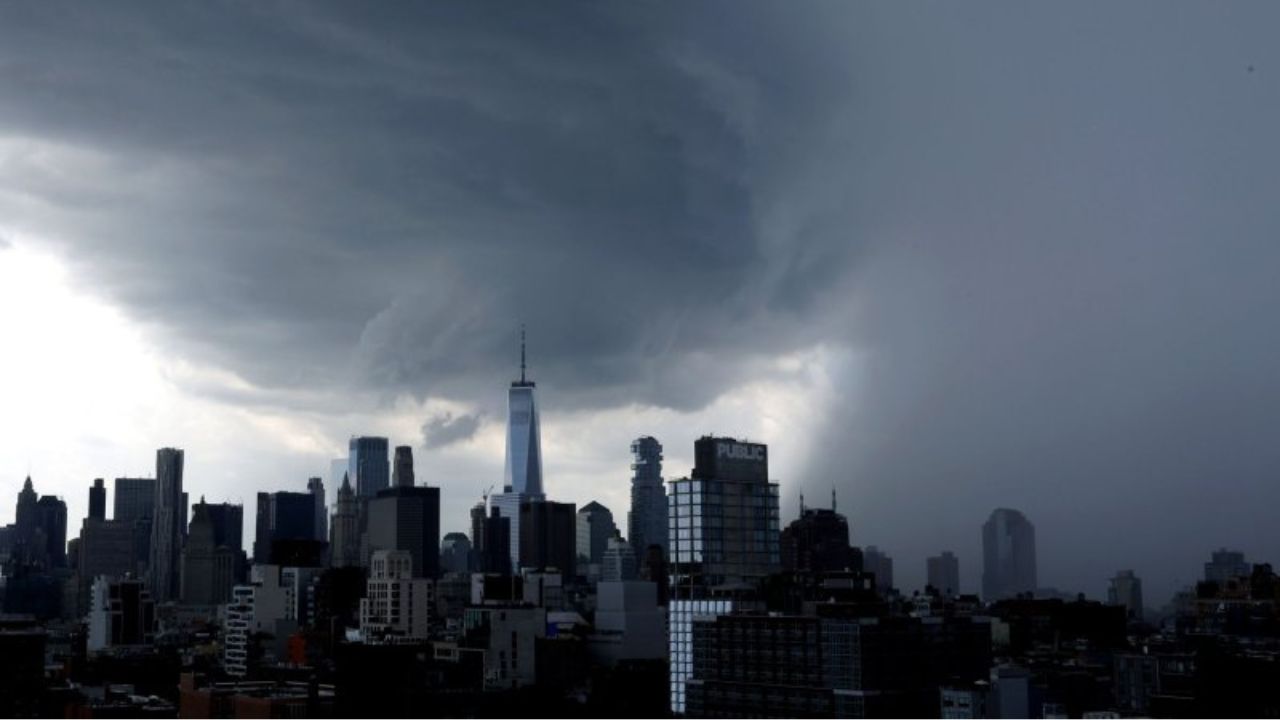
California — Federal climate scientists say a strong El Niño is now considered virtually certain to develop this year, raising the likelihood of a wetter and stormier winter across parts of California while also increasing the risk of flooding, landslides and prolonged ocean heat.
According to the National Oceanic and Atmospheric Administration (NOAA), there is a 97% chance that El Niño conditions will reach either strong or very strong intensity during the three-month period ending in December. Forecasters also estimate an 81% chance that the event will become very strong, potentially making it one of the most powerful El Niño events ever recorded.
Southern California Could See More Winter Storms
One of the biggest concerns for California is the increased chance of above-average rainfall, particularly across Southern California.
El Niño occurs when ocean waters in the central and eastern tropical Pacific become unusually warm, altering weather patterns around the world. During strong events, the winter jet stream often shifts farther south, allowing more Pacific storms to reach Southern California.
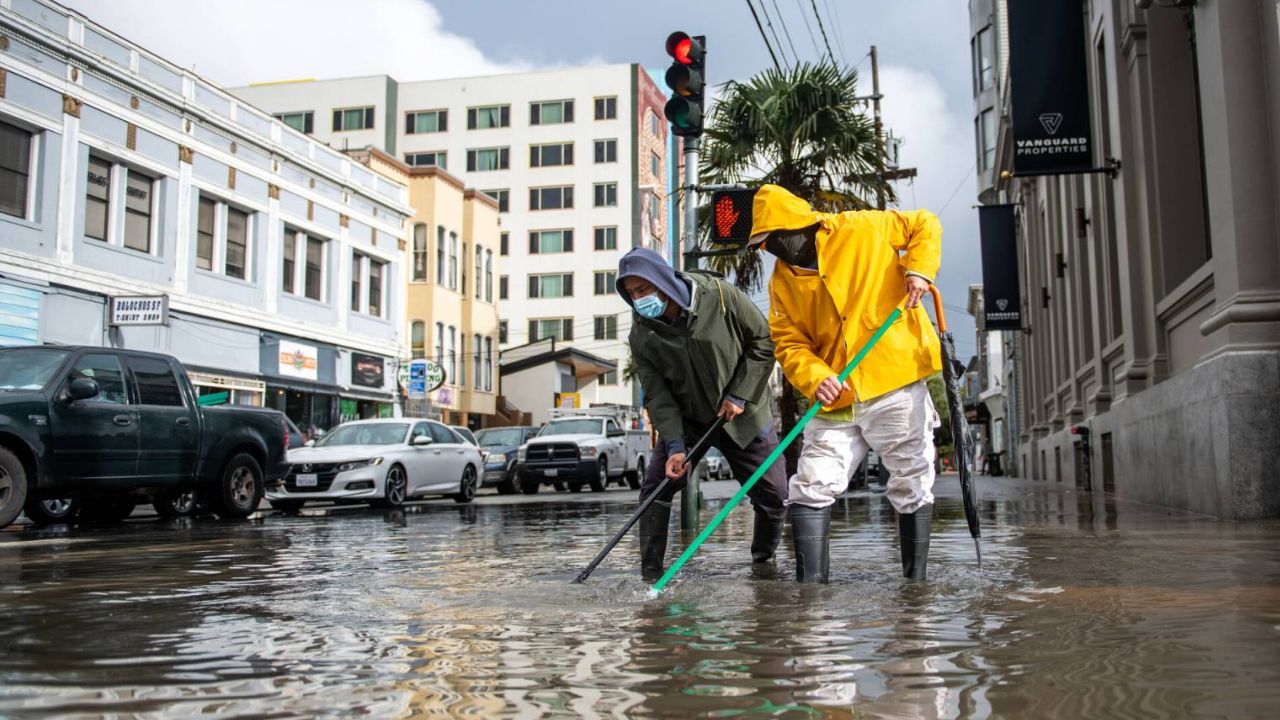
That pattern can increase the chances of heavy rain, flash flooding, mudslides and landslides, especially in wildfire burn scar areas that are already vulnerable to erosion.
However, meteorologists stress that El Niño does not guarantee a wet winter everywhere.
Past El Niño Events Produced Mixed Results
Historically, several of California’s strongest El Niño winters have brought exceptional rainfall.
During the 1982–83 and 1997–98 El Niño events, downtown Los Angeles received more than double its average annual rainfall, leading to widespread flooding and storm damage.
More recently, the 2023–24 strong El Niño contributed to well-above-average rainfall along much of coastal Southern California. That winter also produced the second-rainiest three-day period ever recorded in downtown Los Angeles, with hundreds of landslides reported across Los Angeles County.
But forecasters point out that outcomes can vary significantly. During the 2015–16 very strong El Niño, Los Angeles actually received less than its typical yearly rainfall, showing that other atmospheric conditions also influence California’s weather.
Warmer Oceans May Intensify Heat and Marine Conditions
Scientists say El Niño is developing while oceans around the world are already experiencing unusually warm temperatures linked to long-term climate change.
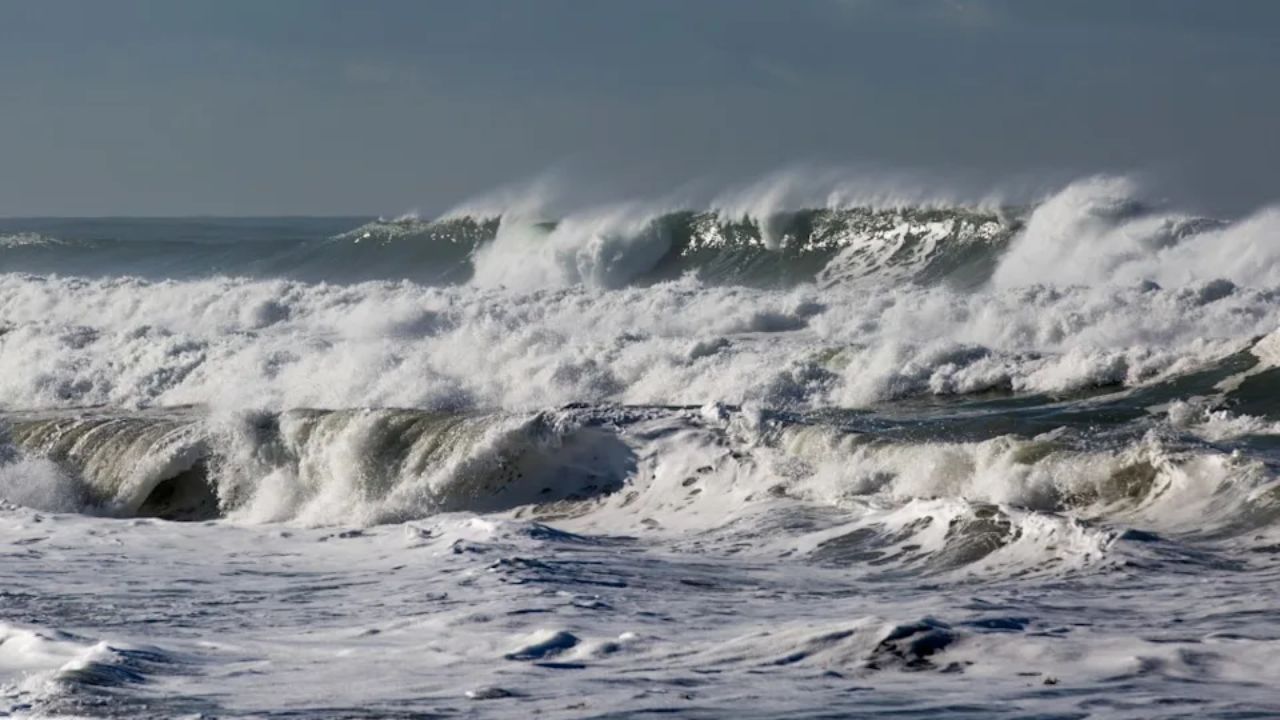
The warming Pacific Ocean is expected to extend an existing marine heat wave off the California coast, keeping ocean temperatures above normal well into the fall and winter.
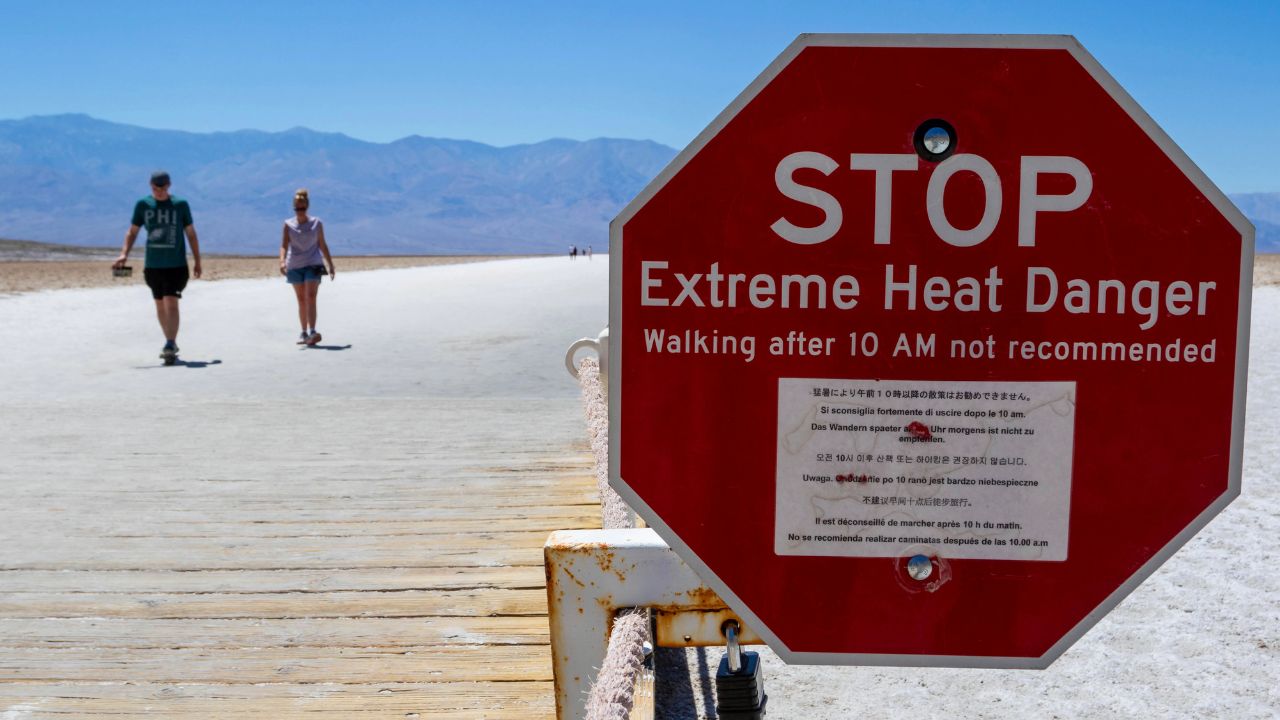
Researchers say these warmer waters can affect marine ecosystems, fisheries and coastal conditions while also increasing the likelihood of heat waves over both land and sea.
Officials noted that ocean temperatures across parts of the tropical Pacific were already among the warmest recorded for June since modern recordkeeping began in 1950, signaling that El Niño continues to strengthen.
Global Weather Impacts Expected
Beyond California, El Niño typically influences weather patterns across much of the world.
Forecasters say the climate pattern often brings wetter-than-average conditions across the southern United States, parts of South America, the Horn of Africa and portions of Central Asia.
Meanwhile, regions such as the Pacific Northwest, Australia, Indonesia, Central America and parts of southern Asia often experience drier-than-normal conditions during strong El Niño years.
Although forecasts strongly favor a powerful event this winter, meteorologists emphasize that seasonal outlooks indicate changing probabilities—not guaranteed outcomes. Local weather can still vary considerably from one storm season to another.
What are your thoughts on this year’s El Niño forecast? Are you preparing for the possibility of a wetter winter or concerned about flooding in your area? Share your thoughts respectfully in the comments below.