Southern California — Beaches across Southern California are preparing for dangerous surf and powerful rip currents after Hurricane Genevieve intensified into the Pacific Ocean’s first Category 5 hurricane of the 2026 season. Although the powerful storm is expected to remain well offshore, meteorologists say its enormous wave energy is already racing toward the California coastline, prompting warnings for swimmers, surfers, and beachgoers.
Hurricane Genevieve Reaches Category 5 Strength
Late Sunday night, Hurricane Genevieve rapidly intensified into a Category 5 hurricane, packing maximum sustained winds of nearly 160 mph. By Monday, the storm had weakened slightly to a high-end Category 4 hurricane with 155 mph winds, but it remained an exceptionally powerful system.
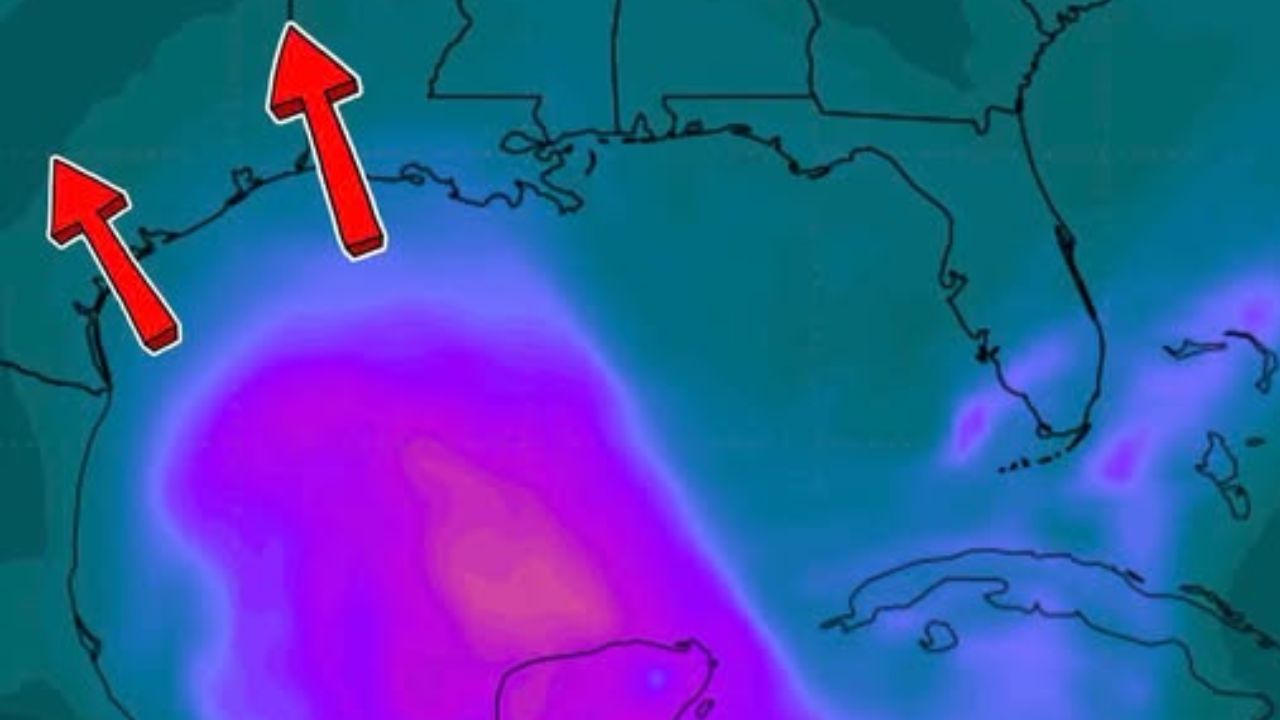
The hurricane is currently located about 500 miles southwest of Mexico’s Baja California Peninsula, moving northwest on a path that is expected to keep it offshore and parallel to the coast.
Forecasters say Genevieve is not expected to make landfall in California, but its massive wind field is generating powerful long-period ocean swells capable of traveling hundreds of miles across the Pacific.
Dangerous Surf Expected to Build Midweek
Weather experts say the first impacts will arrive Wednesday, with wave heights continuing to increase through the weekend.
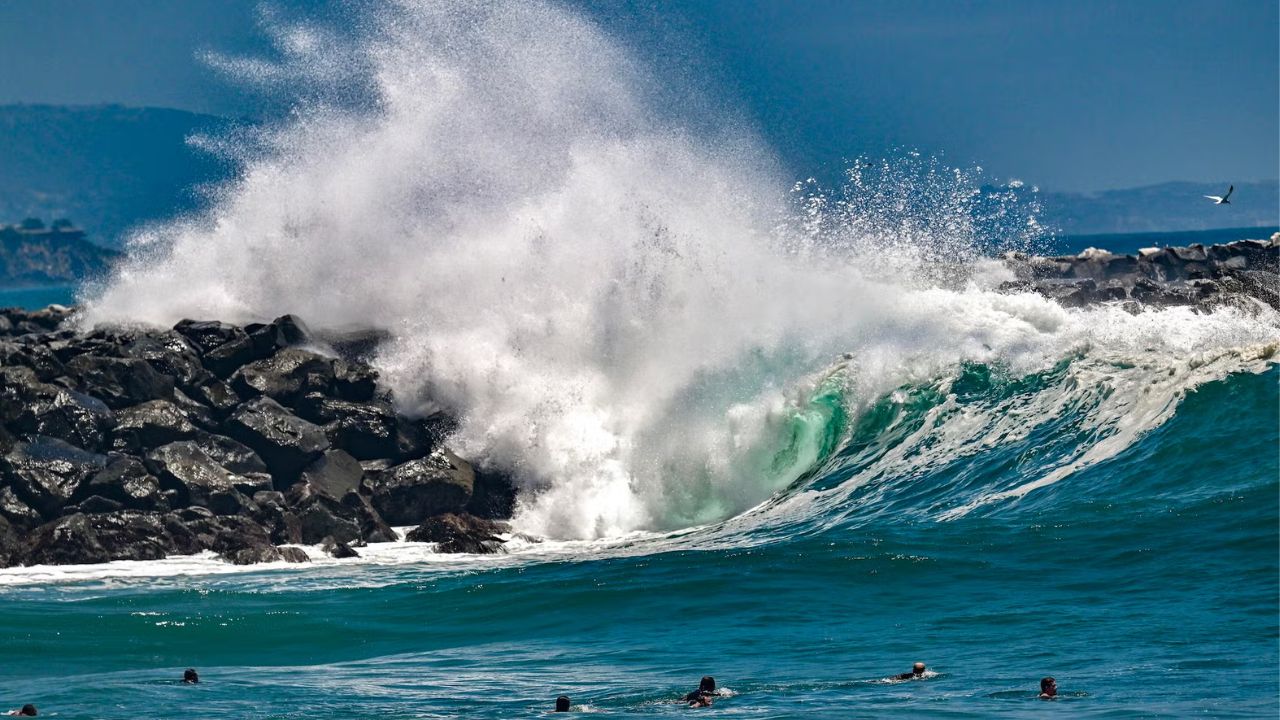
Forecast models indicate that south-facing beaches across Southern California could see overhead waves and strong surf conditions, especially at popular surfing locations.
Surf forecasting experts compared Genevieve’s swell to Hurricane Marie in 2014, one of Southern California’s most memorable summer swell events.
According to Surfline, while Marie was a larger storm overall, Genevieve is following a similar track and has reached comparable intensity, making it capable of producing significant surf along the West Coast.
Officials Warn of Life-Threatening Rip Currents
The National Hurricane Center (NHC) has warned that swells generated by Genevieve are spreading northward and creating life-threatening surf and rip current conditions along parts of Mexico and the Baja California Peninsula before reaching Southern California.
Meanwhile, the National Weather Service (NWS) cautioned that long-period swells can create deceptive conditions, with calm stretches suddenly giving way to large, powerful waves capable of sweeping people off rocks, jetties, and shorelines.
Officials are urging visitors to remain alert, obey posted warnings, and avoid entering the water if dangerous conditions develop.
Lifeguards Increase Staffing Ahead of Busy Weekend
Beach safety agencies in Orange, Los Angeles, and San Diego counties are preparing for increased rescue activity by adding lifeguard staffing and monitoring beaches more closely over the coming days.
Authorities say experienced surfers may welcome the large waves, but casual swimmers, families, and inexperienced surfers face a much greater risk because of the powerful currents expected to accompany the swell.
Indiana Weather Alert: Severe Storm Watch Issued for 39 Counties With 80 MPH Wind Threat
Even after Genevieve weakens over cooler Pacific waters later this week, hazardous surf conditions are expected to continue through the weekend.
US Open of Surfing Could Receive Powerful Swell
The timing of the incoming swell coincides with the US Open of Surfing, which is currently underway in Huntington Beach, California.
The internationally recognized surfing competition is expected to receive the full impact of the incoming south swell, potentially creating exciting conditions for competitors while also requiring heightened safety measures for spectators and recreational beachgoers.
Officials continue to encourage anyone planning a beach trip this week to check local surf forecasts, follow lifeguard instructions, and stay out of dangerous waters if warnings are issued.
Are you planning to visit a Southern California beach this week? Do you think officials should temporarily restrict water access during extreme surf events? Share your thoughts in the comments below.