New York City, New York — A new scientific study suggests that New York City’s long-running battle against rodents may be entering a new phase, with researchers finding evidence that mice and rats are adapting in different ways to survive efforts aimed at eliminating them.
Scientists from Rutgers University analyzed rodents collected from several densely populated urban areas and discovered that house mice are developing genetic resistance to commonly used poisons, while rats appear to be learning how to avoid traditional traps altogether.
The findings highlight the challenges cities may face as rodents continue adapting to decades of pest control measures.
Study Reveals Growing Resistance Among House Mice
Researchers examined DNA samples collected from approximately 300 house mice and Norway rats across urban areas in New Jersey, Pennsylvania, Washington, D.C., and New York City.
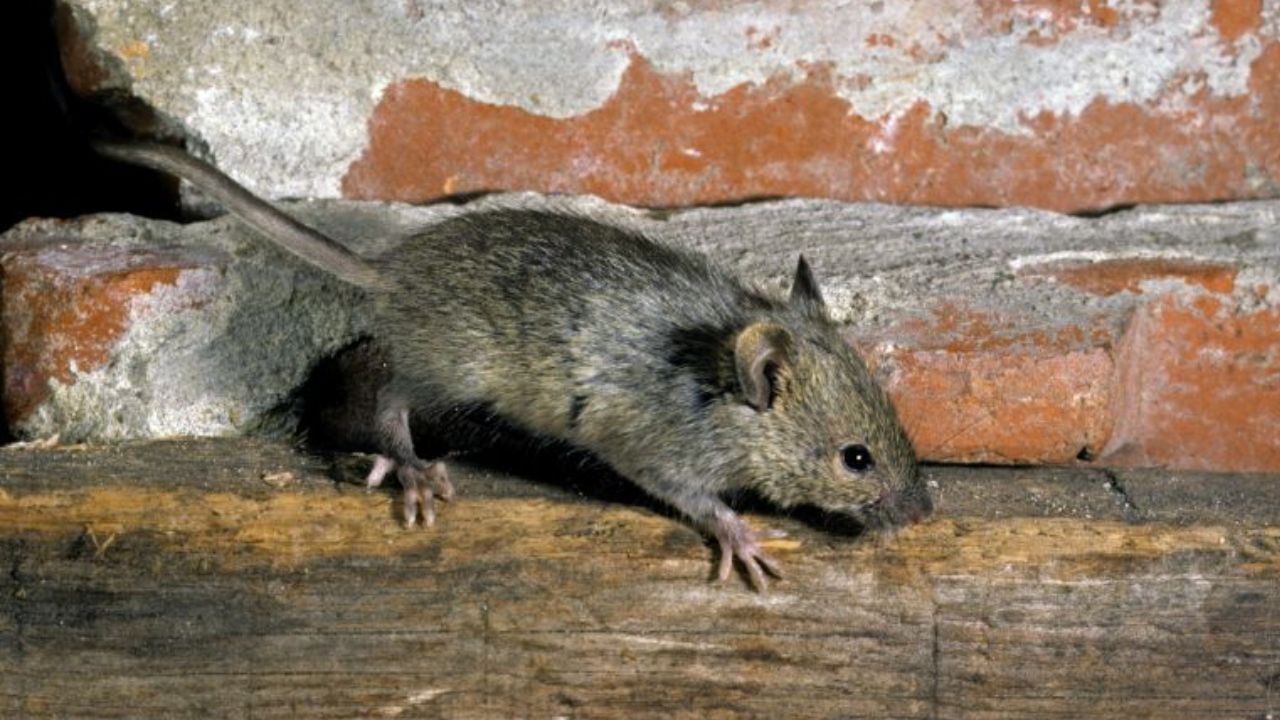
One of the most significant discoveries involved house mice.
According to the study, nearly 70% of the mice carried a genetic mutation associated with resistance to anticoagulant rodenticides—the most widely used type of poison for rodent control.
Researchers say this mutation allows many mice to survive after consuming bait that would normally be fatal.
Changlu Wang, an extension specialist in Rutgers University’s Department of Entomology, explained how the mutation affects the animals.
“When the mice eat the poison, they can still function normally, basically. That’s why they are more tolerant.”
Scientists believe decades of exposure to poisoned bait have gradually favored mice carrying genes that improve their chances of survival.
Rats Are Becoming More Cautious Around Traps
While mice appear to be evolving genetically, researchers observed a different trend among rats.
Instead of widespread poison resistance, rats seem to be relying on cautious behavior and learning to avoid common trapping methods.
Researchers studying rats, particularly in the Bronx, documented repeated instances of animals approaching traps multiple times before refusing to interact with them.
Jin-Jia Yu, a postdoctoral fellow involved in the research, said video recordings captured rodents carefully inspecting traps before avoiding them.
“We have a lot of video clips showing that the rats can avoid the physical traps, like snap traps and sticky traps.”
According to Yu, some rats approached traps hundreds of times without triggering them, suggesting increasing caution around familiar pest-control devices.
Scientists Warn Traditional Pest Control May Become Less Effective
The researchers believe the findings demonstrate how rodents continue adapting to environments heavily influenced by human activity.
As mice become more resistant to poison and rats become more adept at avoiding traps, conventional pest-control strategies could lose effectiveness over time.
Scientists also raised concerns about the continued widespread use of rodenticides.
While resistant rodents may survive exposure, the poison can still enter the food chain when predators consume contaminated mice or rats.
Wildlife Could Also Be Affected
Researchers warned that non-target wildlife may face unintended consequences from rodenticide use.
Birds of prey, coyotes, and other animals that feed on rodents can potentially ingest poison indirectly after consuming contaminated prey.
Wang noted that previous studies have documented rodenticide residues in numerous wild animals.
“There are studies showing that all of the wild animals that eat roadkills, they contain rodenticide poisons.”
“It’s more likely to be transferred to the predators.”
These secondary effects have prompted scientists to encourage communities to consider alternative approaches to rodent management.
Prevention May Be the Best Long-Term Solution
Rather than relying primarily on chemical poisons, researchers suggest cities invest more heavily in prevention strategies.
Improving sanitation, reducing food sources, sealing building entry points, and strengthening waste management could help limit rodent populations before infestations occur.
Researchers also note that effective rodent control remains important because mice and rats can contaminate food supplies, damage infrastructure, and spread diseases and parasites.
While additional research is needed, the study suggests that future pest-control efforts may need to evolve just as quickly as the rodents themselves.
What do you think is the best way for cities to control growing rodent populations? Should communities focus more on prevention and sanitation rather than relying on poisons and traps? Share your thoughts respectfully in the comments below.