Katy, Texas — Federal investigators say the driver of a Tesla Model 3 manually overrode the vehicle’s Full Self-Driving (Supervised) system just moments before crashing into a Texas home at more than 70 mph, a collision that claimed the life of a 76-year-old woman.
The findings were released Wednesday in a preliminary report from the National Transportation Safety Board (NTSB), providing new details about the deadly June crash that has drawn renewed attention to Tesla’s driver-assistance technology.
NTSB Says Driver Took Control Before Crash
According to the preliminary investigation, the 44-year-old driver had activated Tesla’s Full Self-Driving (Supervised) feature before the collision.
However, electronic vehicle data recovered from the 2025 Tesla Model 3 showed the driver fully depressed the accelerator pedal, manually overriding the system shortly before impact.
Investigators determined the vehicle was traveling faster than 70 mph along a residential street where the posted speed limit was 30 mph.
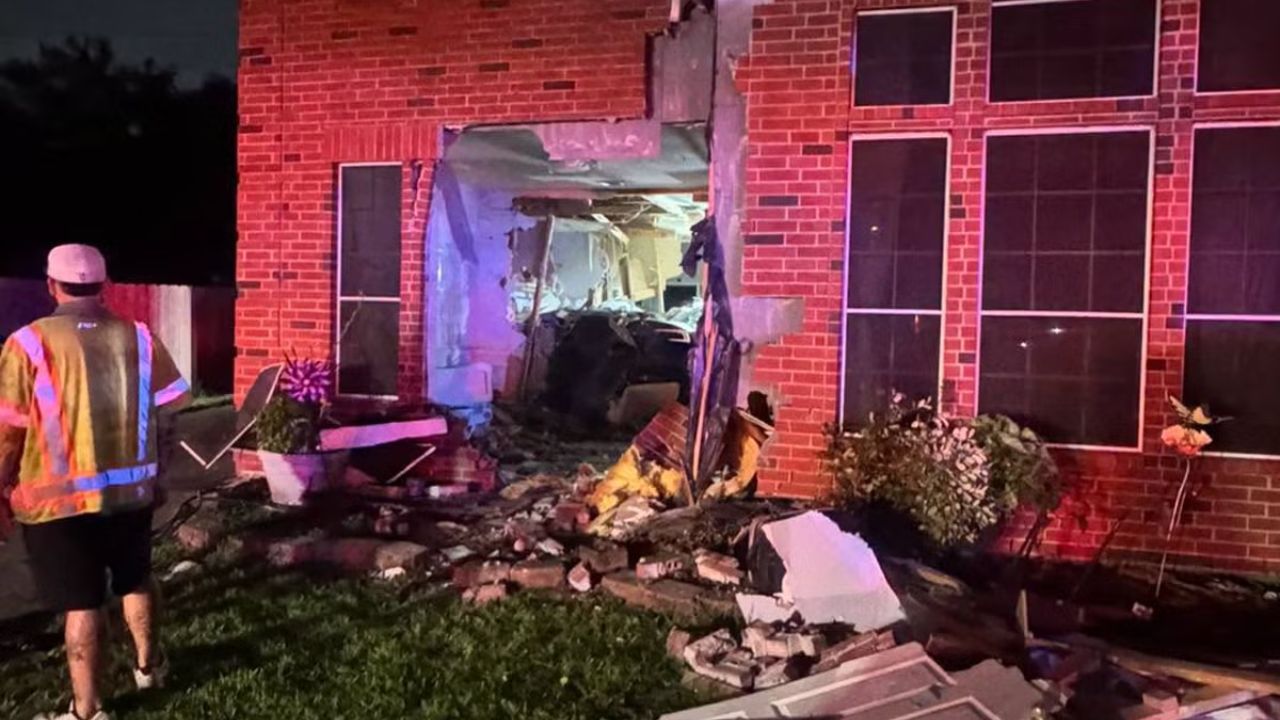
The Tesla then crashed into a home in Katy, causing catastrophic damage.
76-Year-Old Homeowner Died From Her Injuries
The crash claimed the life of Martha Avila, 76, who suffered fatal injuries after the Tesla crashed through the front wall of her home.
Family members previously said the driver, Michael Butler, told investigators he believed the vehicle’s driver-assistance technology had been engaged before the collision.
The NTSB’s preliminary findings now indicate that although the Full Self-Driving system had been activated, the driver manually overrode it before the crash occurred.
The investigation remains ongoing as officials continue reviewing all available evidence.
Findings Align With Earlier Tesla Statement
The federal report also mirrors comments previously made by Ashok Elluswamy, Tesla’s Vice President of AI Software.
According to Elluswamy, the driver “manually overrode self-driving by pressing the accelerator all the way to 100%.”
The latest findings support Tesla’s position that the driver’s actions—not the automated driving system itself—were responsible for the crash.
Because the NTSB report is preliminary, investigators have not yet issued final conclusions or safety recommendations.
Federal Scrutiny of Tesla Technology Continues
The National Highway Traffic Safety Administration (NHTSA) is conducting a separate investigation into the deadly crash.
Federal regulators have closely monitored Tesla’s driver-assistance systems for years.
According to the agency, nearly 50 special investigations involving Tesla vehicles believed to have been using Autopilot or Full Self-Driving systems have been opened since 2016, including crashes linked to approximately two dozen fatalities.
Earlier this year, NHTSA also expanded an investigation involving 3.2 million Tesla vehicles equipped with Full Self-Driving technology over concerns about how the system responds to hazards and reduced-visibility conditions.
Tesla has consistently stated that both Autopilot and Full Self-Driving (Supervised) are driver-assistance features, not fully autonomous driving systems. The company says drivers must remain attentive, keep their hands on the steering wheel, and be prepared to take control at any time.
The NTSB investigation remains ongoing, and additional findings are expected once the agency completes its final report.
What are your thoughts on the latest NTSB findings? Do you believe driver-assistance systems need stricter regulations, or should driver responsibility remain the primary focus? Share your thoughts respectfully in the comments below.