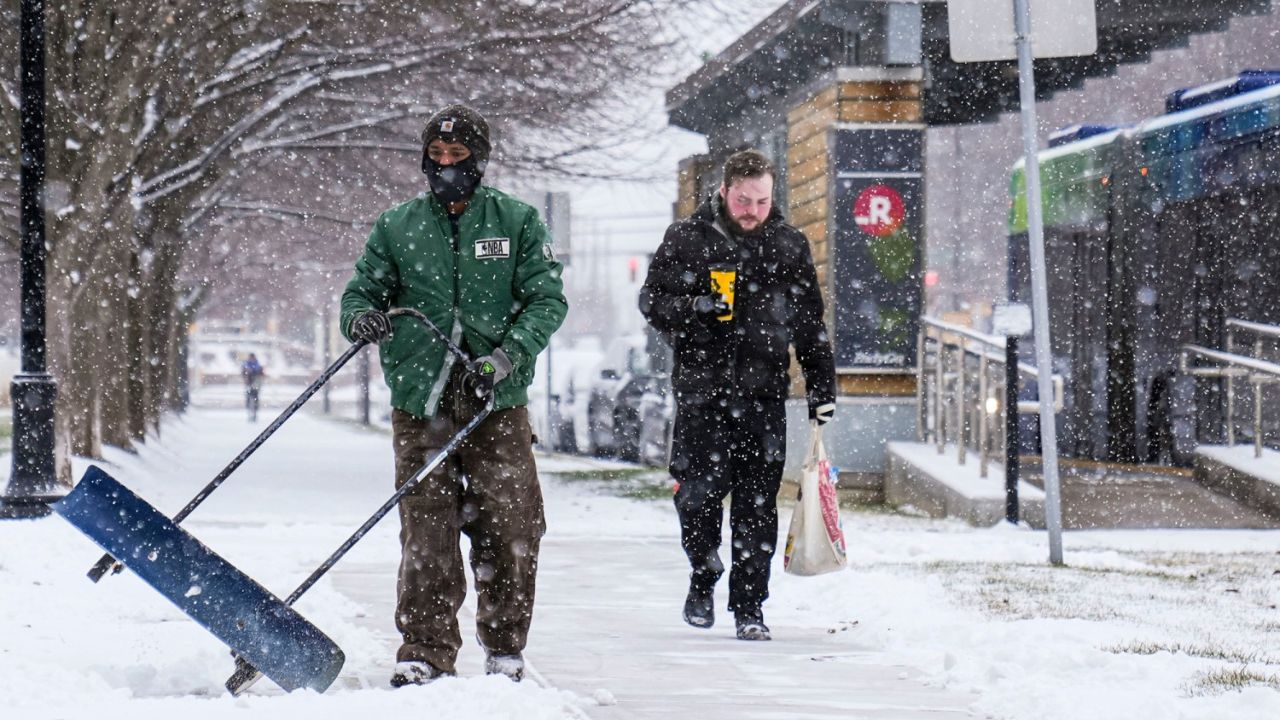
Georgetown Lake, Montana — A rare summer winter storm is expected to bring feet of snow, powerful winds, and dangerous travel conditions to parts of the Northern Rockies, prompting the National Weather Service to issue Winter Storm Warnings and Winter Weather Advisories just days before many Americans begin their Fourth of July holiday plans.
Forecasters say the storm will impact portions of Montana, Idaho, and Wyoming, with the heaviest snowfall expected at higher elevations through early next week.
Officials are warning anyone planning outdoor recreation or backcountry travel to prepare for conditions more typical of midwinter than late June.
Up to 3 Feet of Snow Forecast in Montana
The greatest snowfall is expected around Georgetown Lake in western Montana, where forecasters say as much as 3 feet of heavy, wet snow could accumulate from Saturday night through Tuesday.
The National Weather Service warned that the combination of heavy snow, cold temperatures, and gusty winds could create hazardous conditions for anyone traveling or camping in the mountains.
In addition to difficult travel, the weight of the wet snow may bring down trees, potentially blocking backcountry roads and trails.
Officials urged visitors to prepare for winter conditions despite the summer calendar.
“Plan for winter-like conditions in the backcountry and higher elevations. Cold temperatures, wind, and wet snow will elevate the risk of hypothermia. Heavy wet snow may down trees, blocking access to backcountry roadways,” the National Weather Service said.
Idaho and Wyoming Also Preparing for Snow
The unusual storm isn’t limited to Montana. Forecasters expect Idaho’s Fourth of July Peak to receive approximately 12 inches of snowfall over the next several days.
Meanwhile, Pitchstone Plateau in Wyoming is forecast to receive around 8 inches of snow.
Along the Montana-Wyoming border near the Beartooth Mountains, snowfall may briefly decrease Sunday afternoon before redeveloping Sunday night and continuing through Monday into Tuesday morning.
The prolonged event could significantly affect hikers, campers, and anyone traveling through high-elevation mountain passes.
Strong Winds Add to Dangerous Conditions
Snow is only part of the weather threat. Meteorologists are also forecasting wind gusts exceeding 50 mph across portions of north-central Montana.
According to the National Weather Service office in Great Falls, the strongest winds are expected as a low-pressure system moves near the international border.
The powerful gusts may create dangerous crosswinds on exposed roadways while also increasing the risk of falling branches and reduced visibility in areas experiencing snowfall.
The combination of wind and wet snow could make conditions especially hazardous at higher elevations.
Travelers and Campers Urged to Prepare
With many families planning outdoor adventures ahead of the Independence Day holiday, weather officials are encouraging travelers to reconsider backcountry trips if possible.
Anyone who must travel is advised to carry a winter emergency kit that includes:
- Tire chains
- Flashlights
- Blankets and extra clothing
- Shovel
- Booster cables
- First-aid supplies
- Food and water
Campers are also being reminded that even a few inches of heavy snow can collapse tents and damage outdoor equipment.
“Campers should be aware that it only takes a few inches of snow to damage tents and other recreational items,” the National Weather Service warned.
Winter Weather Expected Through Early Week
Current Winter Storm Warnings and Winter Weather Advisories remain in effect through Monday night, though forecasters continue monitoring the storm’s evolution.
Officials say anyone planning travel across mountainous areas should closely monitor the latest forecasts and be prepared for rapidly changing weather conditions.
The unusual late-June storm serves as a reminder that even during summer, the highest elevations of the Northern Rockies can still experience significant winter weather capable of disrupting travel and outdoor recreation.
Are you traveling through the Northern Rockies for the Fourth of July holiday? How do you prepare for sudden weather changes during summer mountain trips? Share your tips and experiences respectfully in the comments below.