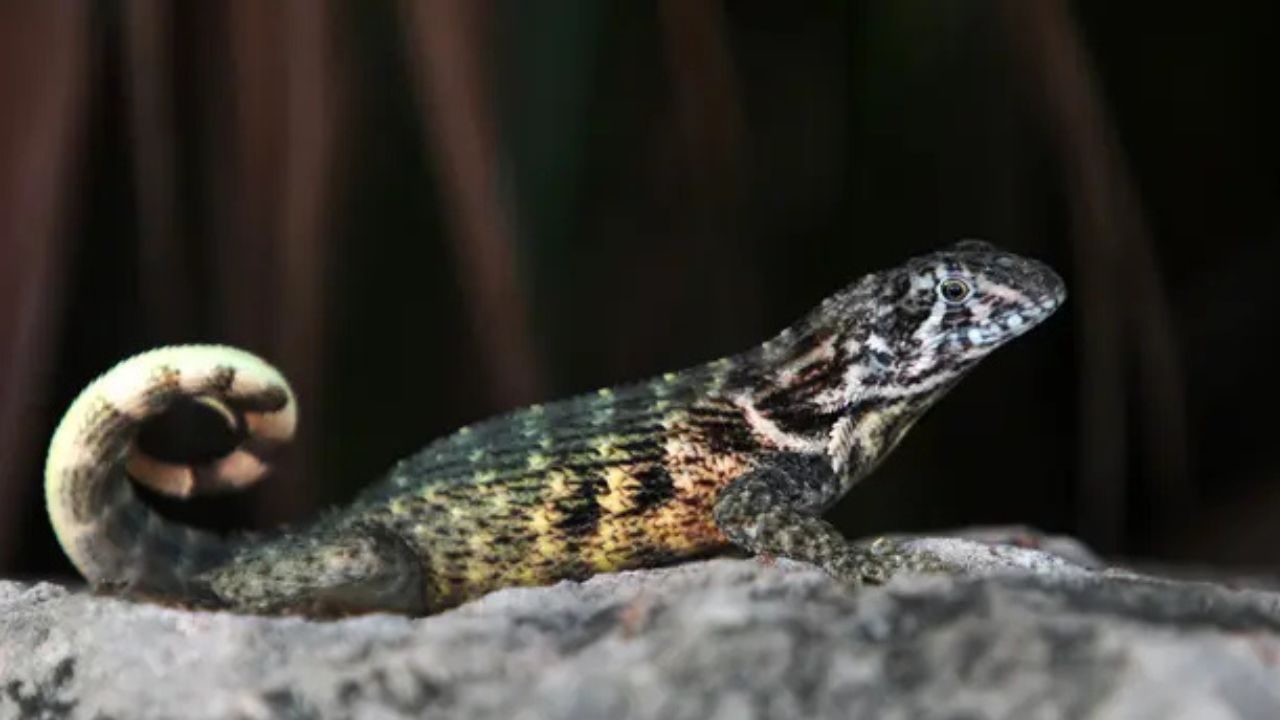
Central Florida — Wildlife experts are warning that an invasive lizard species is becoming increasingly common across Central Florida, where researchers say it could have lasting impacts on native wildlife and local ecosystems.
The Northern curly-tailed lizard (Leiocephalus carinatus), a species native to the Bahamas, has lived in parts of South Florida for decades. However, scientists now say the reptiles are steadily expanding farther north, establishing populations throughout much of Central Florida.
Researchers believe the species’ continued spread could create new challenges for native lizards as they compete for food and habitat.
Experts Say the Species Is Expanding Across the Region
According to herpetologists, Northern curly-tailed lizards are no longer limited to South Florida and are now regularly being spotted throughout Central Florida.
Dr. Matthew Atkinson, a herpetologist at the University of Central Florida, said the reptiles have become increasingly common as they continue moving north along the Florida peninsula.
“They’re becoming fairly common throughout most of Central Florida now as they are starting to move up the peninsula,” Dr. Matthew Atkinson said. “They’re probably here to stay.”
The species can grow up to about one foot long and is well known for its ability to drop its tail when threatened, allowing it to escape predators while the detached tail distracts attackers.
Why Wildlife Experts Are Concerned
Although the lizards do not pose a danger to people, officials say their growing population could significantly affect Florida’s native wildlife.
One of the biggest concerns is their appetite for smaller native lizards and their eggs, particularly the Carolina green anole, one of Florida’s best-known native reptiles.
The invasive lizards compete with native anoles for habitat and food while also preying on young lizards and eggs.
Researchers note that while Carolina green anoles often escape predators by climbing higher into trees, their eggs are typically laid on the ground, making them vulnerable to curly-tailed lizards searching for food.
As the invasive species continues expanding into new areas, scientists will be closely watching how native reptile populations respond.
Invasive Predator Also Targets Other Non-Native Lizards
Interestingly, researchers say the Northern curly-tailed lizard doesn’t only feed on native wildlife. The species is also known to prey on brown anoles, another invasive lizard that has spread rapidly across Florida over the years.
Atkinson said this creates an unusual situation where one invasive species is helping reduce another.
“We see a little bit of invasive-on-invasive violence, if you will, where they are actually going to be a predator for the brown anoles, which are also invasive and rapidly spreading throughout the state,” Atkinson said.
While that may slightly reduce brown anole populations, experts say it does not eliminate the broader ecological concerns associated with the curly-tailed lizard’s continued expansion.
What Residents Should Do
Wildlife officials emphasize that Northern curly-tailed lizards are not considered dangerous to humans and generally avoid people.
However, because scientists are continuing to monitor the species’ spread, residents are encouraged to report sightings whenever possible. Tracking where the reptiles are appearing helps researchers better understand how quickly they are expanding across the state and what impacts they may have on Florida’s ecosystems.
As the species continues moving north, researchers expect Floridians will likely encounter these distinctive lizards more frequently in neighborhoods, sidewalks, parking lots, and other rocky or concrete areas.
Have you spotted a Northern curly-tailed lizard in your neighborhood? Do you think Florida should do more to manage invasive species? Share your thoughts and experiences respectfully in the comments below.