Fort Collins, Colorado — A Northern Colorado woman says she was left stunned after learning she had to pay hundreds of dollars in unpaid utility bills that were incurred years before she ever owned the property.
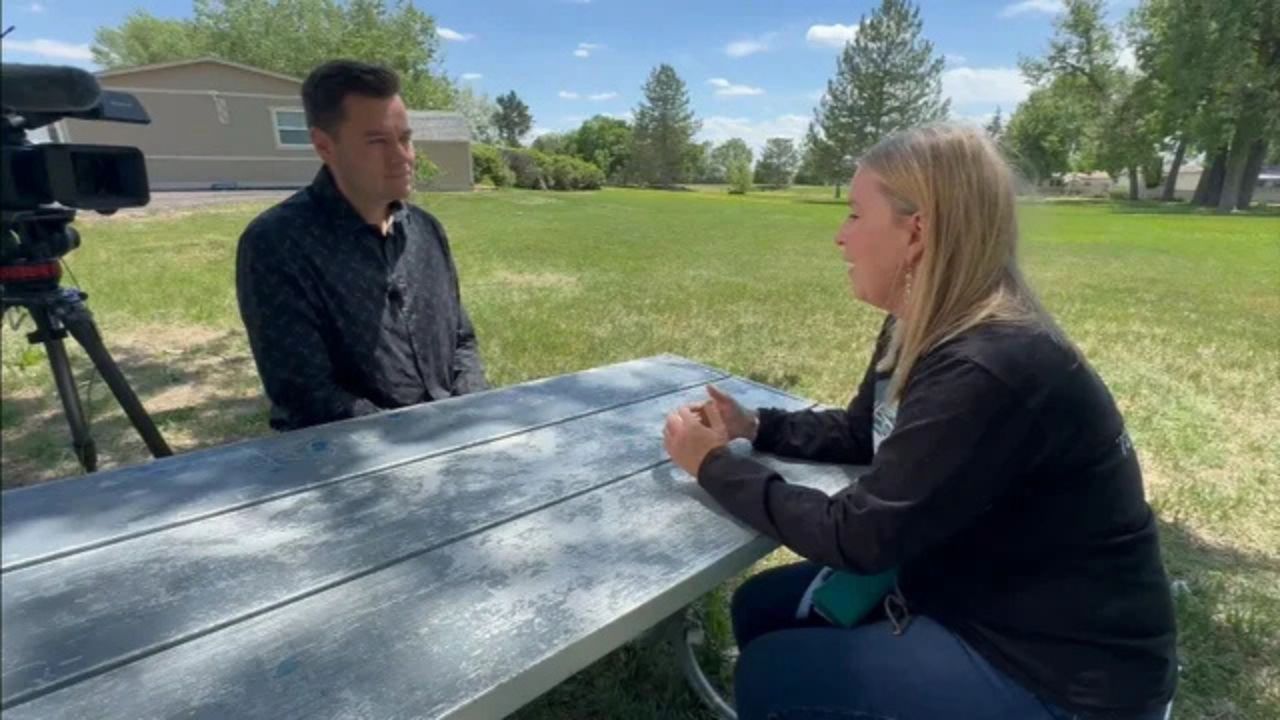
Rene Nelson, a Fort Collins resident who renovates manufactured homes for resale, says she was forced to pay nearly $900 in utility debt after discovering that unpaid balances from previous owners had become attached to the property she purchased earlier this year.
The situation has sparked questions about utility liens, buyer responsibilities, and how affordable housing transactions are handled in Colorado.
Utility Debt Discovered During Home Sale
Nelson said she has spent several years purchasing manufactured homes, renovating them, and selling them to new owners.
After completing renovations on one recently acquired home, she found a buyer and expected the transaction to move forward without complications.
Instead, a closing company discovered a lien connected to unpaid utility charges dating back to 2015 and 2022. The outstanding balance totaled nearly $900.
“Honestly, I thought it was a big misunderstanding or a big mistake,” Nelson said. “There’s got to be some mistake. I didn’t buy the property until 2025.”
Nelson explained that she purchased the manufactured home through a cash transaction and received ownership documentation through the Larimer County DMV, a process commonly used for certain manufactured homes.
Homeowner Says She Paid All of Her Bills
According to Nelson, she paid every utility bill associated with the property after taking ownership and had no indication that previous balances remained attached to the home.
The issue only surfaced because the buyer chose to complete the transaction through a professional closing company. During its review, the company identified the lien and flagged it before the sale could be finalized.
Nelson said she was surprised that the issue was never disclosed when she established utility service after purchasing the property.
“Why would you guys let me start utilities here and not tell me that there is a lien against the property or that there’s any balance due?” she said.
Ultimately, Nelson paid the debt in order to move forward with the sale.
City Says Buyers Must Perform Due Diligence
The City of Fort Collins declined to discuss the specific case publicly but issued a statement explaining its utility lien policies.
According to city officials, unpaid utility balances can become attached to the property receiving service rather than solely to the individual customer.
City spokesperson Nick Combs said Fort Collins code allows the city to recover unpaid utility charges through property liens.
“The lien attaches to the property served by the utilities,” Combs said.
Officials explained that title companies routinely request utility information during property transactions, which often allows buyers to discover outstanding obligations before closing.
The city argues that identifying these liens is part of the buyer’s due diligence process.
Concerns Raised About Affordable Housing Buyers
Nelson believes the policy creates challenges for buyers of manufactured homes, many of whom may not use title companies or professional closing services because of limited financial resources.
She worries that unexpected debts attached to properties could place additional burdens on people seeking affordable housing options.
“100%. I mean, it doesn’t make any sense to me that anybody would be responsible for charges that happened before they purchased a home,” Nelson said when asked whether she felt she was being punished for someone else’s debt.
She also argued that utility liens should be easier to locate through public records or online systems so buyers can identify potential issues before completing a purchase.
Officials Recommend Checking for Utility Liens Before Buying
In response to the controversy, city officials encouraged prospective buyers to contact Fort Collins Utilities and request a lien letter before finalizing any purchase.
Combs said buyers should verify that all utility obligations have been satisfied before taking ownership.
He also noted that manufactured homes can have unique utility arrangements depending on whether the homeowner owns the structure, rents the land, or receives specific utility services directly.
While Nelson believes the city should pursue the individuals who originally accumulated the debt, officials maintain that utility liens remain attached to the property under existing regulations.
The situation serves as a reminder that buyers may need to investigate utility obligations just as carefully as they review ownership records and property titles before completing a purchase.
What do you think? Should new property owners be responsible for unpaid utility bills left behind by previous owners, or should utility providers pursue only the original account holders? Share your thoughts in the comments below.