Pembroke Park, Florida — Animal rescuers across South Florida are facing a devastating summer as a highly contagious feline virus spreads rapidly through cat populations, sickening both kittens and adult animals.
The disease, feline panleukopenia, is caused by a parvovirus and can be deadly, particularly for young and unvaccinated cats.
Deborah Pachano of Pretty Kitty Rescue in Miami said her organization normally sees several cases each year, but this summer has been dramatically different.
“We typically have a few cases every year and that’s really normal, but we’ve never seen anything like this,” Pachano said.
She said her rescue has lost more cats than ever before during the current outbreak.
New Strain Appears to Be Affecting Adult Cats
Vet technician Amy Dombkowski, who cares for more than 200 cats with Purrr Adoption & Sanctuary, said panleukopenia has long been a serious threat to kittens.
But animal-care workers are now seeing what they believe is a different strain that is affecting adult cats as well.
“Feline panleukopenia is a highly contagious, often fatal parvo virus and it spreads like wildfire,” Dombkowski said.
Rescue workers are taking extensive precautions to prevent transmission, including using separate pads and towels, gloves, protective equipment and disinfectants.
The concern is especially high in shelters and rescue environments where large numbers of cats live in close proximity.
Symptoms Can Appear After the Virus Has Already Spread
Early symptoms can include loss of appetite, dehydration, vomiting, diarrhea and lethargy. One of the biggest dangers is that the virus can spread before an infected cat appears obviously sick.
The reported incubation period is two to seven days, giving the disease time to circulate through a household, shelter or foster network before symptoms become noticeable.
Pachano warned that people can unknowingly carry the virus between cats.
“It can spread so quickly, it’s very, very contagious, so you’re spreading it without even knowing they are sick,” she said.
Tanya Lynn Heller, founder of Purrr Adoption & Sanctuary, offered an even more alarming example.
“You could be playing with some cat that you think is healthy, come home, pet your cat, and you’ve given it a death sentence,” Heller said.
Unvaccinated Cats Face the Greatest Risk
Rescue officials believe low vaccination rates are helping fuel the current spread. Heller said foster families and rescue organizations have been overwhelmed by the number of sick animals.
“Our fosters this year, everyone has experienced it, and it’s been bad,” she said.
She added that some rescuers have lost adult cats and kittens almost immediately, leaving foster caregivers emotionally exhausted and making it harder to find people willing to take in new animals.
To help increase protection, her organization is offering low-cost panleukopenia vaccinations for $25 per shot.
Cats need three doses for the full vaccination series, although Heller emphasized that even getting the first dose can provide some protection.
Shelters Report Increase in Cases
The virus is creating additional challenges for animal shelters across South Florida.
Broward County Animal Care told Local 10 News that although it does not specifically track panleukopenia cases, the shelter has seen an increase this summer.
Officials said exposure has resulted in eight to 10 instances of cat rooms being placed under quarantine.
Meanwhile, Miami-Dade Animal Services has reported 216 cases so far this year, highlighting the scale of the problem in the region.
The combination of warm weather and a large population of cats is creating conditions that allow the virus to spread quickly.
No Cure Makes Prevention Critical
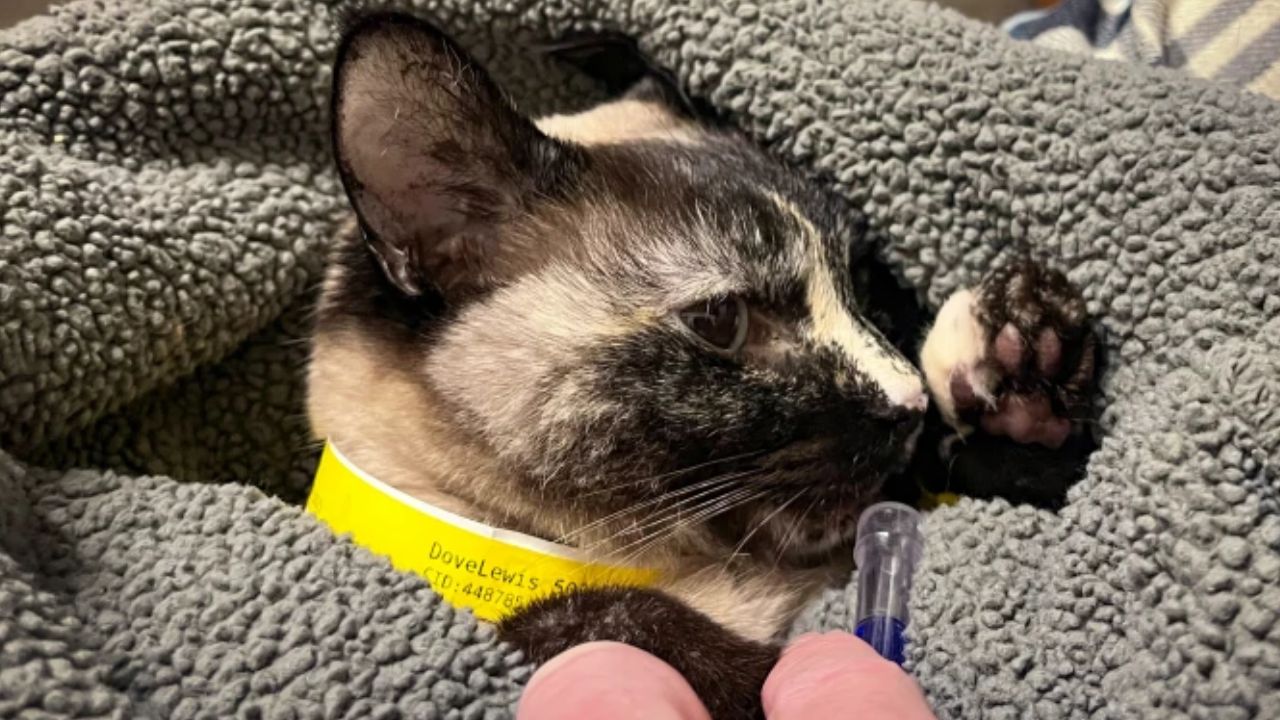
There is currently no specific cure for feline panleukopenia. Treatment focuses on supportive care, including helping infected cats manage dehydration and other complications.
Although laboratory testing can confirm infection, rescuers say the disease can become severe very quickly. Many infected cats may die within 24 to 48 hours after symptoms become apparent, making early veterinary attention critical.
Pachano said she has seen cats survive panleukopenia in the past, but the strain being encountered this summer has been particularly devastating.
“I have survived many beforehand, but with this particular strain, it just took them so fast,” she said.
For cat owners, rescue workers and shelters, the message is clear: vaccination, isolation of sick animals and strict sanitation remain crucial defenses against a virus that can move through feline communities with frightening speed.
Have you noticed more sick cats in your area this summer? Share your experience and thoughts in the comments below.