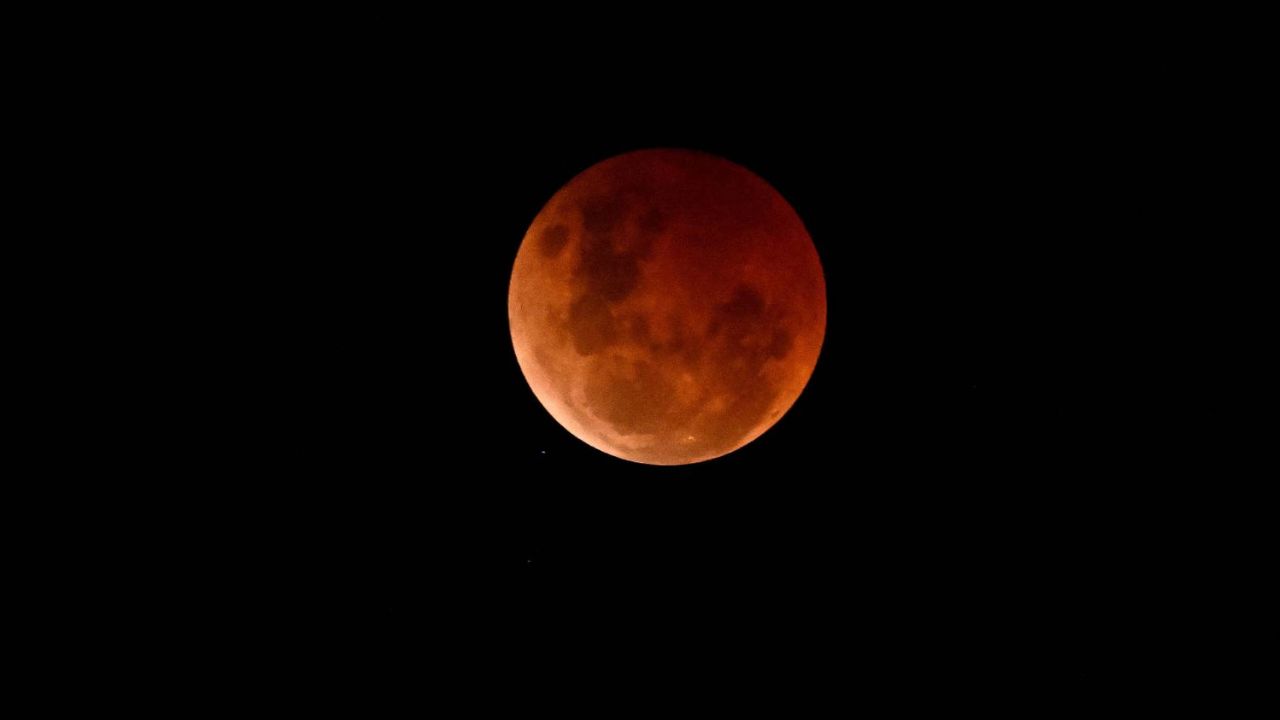
California – Skywatchers have another reason to look toward the eastern sky next week as a striking lunar eclipse arrives on the night of Thursday, Aug. 27. The event will not be a total lunar eclipse from California, but the Moon will be dramatically darkened as it moves through Earth’s shadow.
NASA says the Aug. 27–28 partial lunar eclipse will be visible from much of North and South America, along with parts of Europe and Africa. In California, the Moon will reach maximum eclipse at approximately 9:12 p.m. Pacific Time.
When California Will See the Lunar Eclipse
The timing will be especially important for Californians because the Moon will be relatively low in the eastern sky when the eclipse gets underway.
Across California, the partial phase begins at roughly 7:33 p.m. PDT, although exact moonrise and visibility conditions vary by location. The eclipse reaches its maximum at 9:12 p.m., before the partial phase ends at about 10:51 p.m. The broader penumbral phase continues until approximately 12:01 a.m. Friday.
For Los Angeles, for example, the Moon will be only a few degrees above the horizon when the partial eclipse begins. By the 9:12 p.m. maximum, it will be significantly higher in the southeastern sky, making that point of the evening a particularly useful time for viewing.
Why the Moon Can Turn Red
A lunar eclipse happens when the Moon passes through Earth’s shadow. Because this month’s event occurs during a full moon, observers can watch Earth’s shadow gradually move across the lunar surface.
The Moon will not completely disappear. Instead, NASA says the August eclipse will leave the covered portion dramatically darkened, potentially producing a rusty, coppery tint. That reddish appearance is why lunar eclipses are commonly called blood moons.
NASA estimates that about 93% of the Moon’s diameter will be inside Earth’s dark central shadow, known as the umbra, at maximum eclipse. That makes this a deep partial lunar eclipse rather than a total one.
No Special Glasses Are Needed
Unlike a solar eclipse, this lunar event can be watched safely with the naked eye. There is no need for special eclipse glasses when looking at the Moon during a lunar eclipse.
Skywatchers who want a closer look can also use binoculars or a small telescope, which NASA says can provide a better view of Earth’s curved shadow moving across the Moon.
The best viewing location will generally be somewhere with a clear, unobstructed view toward the east and southeast. Higher ground can help, particularly early in the evening when the Moon is close to the horizon.
Clouds and Wildfire Smoke Could Spoil the View
There is one major variable skywatchers cannot control: the weather.
Clouds can easily block the Moon, while wildfire smoke or haze can make the eclipse appear much less visible even when skies are technically clear. Anyone hoping to watch the event should check local conditions before heading outside.
For Californians, the good news is that the eclipse is expected to remain visible for several hours, giving viewers more than one opportunity to catch the Moon as it changes.
A Night Worth Looking Up
The Aug. 27 lunar eclipse will give California a memorable nighttime sky show, even though the state will see a partial rather than total eclipse. The key moment is 9:12 p.m. PDT, when the Moon reaches maximum eclipse.
If skies cooperate, viewers should find a location with an unobstructed eastern or southeastern horizon, step outside around the peak and watch as Earth’s shadow gives the full Moon its unusual dark, copper-colored appearance.
Will you be watching California’s lunar eclipse next week? Let us know where you plan to view it and whether you’re hoping to photograph the blood moon.