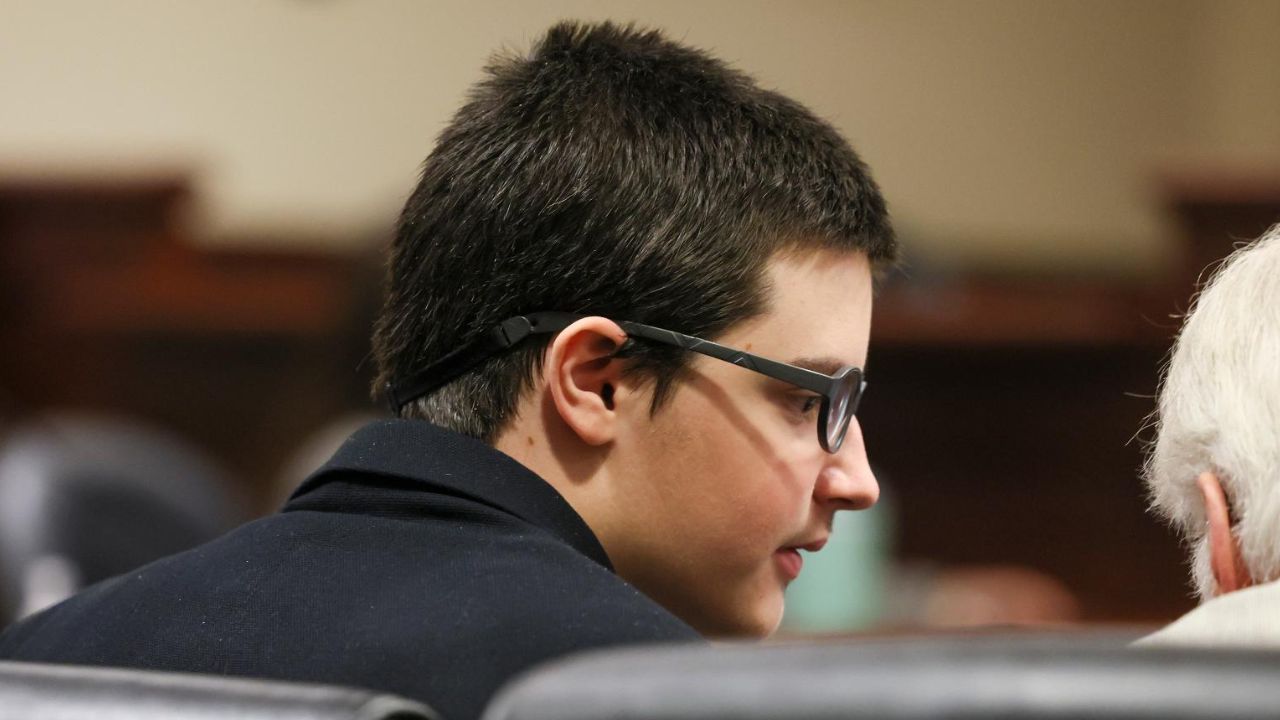
Barrow County, Georgia — A Georgia judge has sentenced 16-year-old Colt Gray to life in prison without the possibility of parole for the deadly shooting at Apalachee High School, saying the teenager carried out an act of “deliberate, contemplated evil.” The sentence follows Gray’s guilty plea to dozens of charges stemming from the September 2024 attack that claimed the lives of two students and two teachers.
Judge Rules Teen Should Never Be Released
On Tuesday, Barrow County Superior Court Judge Nicholas Primm formally sentenced Gray after a three-day hearing that included emotional testimony from victims, family members, investigators, mental health experts, and Gray’s grandmother.
Because Georgia law requires a life sentence for murder convictions, the court’s primary decision was whether Gray would ever be eligible for parole.
Judge Primm ruled that he would not.
Addressing the teenager directly, the judge said Gray showed little remorse for his actions.
“You do not seem to be tormented by what you did. You seem to relish following in the footsteps of the murderers you idolize. You aren’t wracked with guilt. You’re proud of yourself,” Primm said.
Four People Were Killed in the 2024 School Shooting
Gray pleaded guilty to 55 criminal counts, including murder, for carrying out the Sept. 4, 2024, shooting at Apalachee High School, located about 45 miles northeast of Atlanta.
The victims included teachers Richard “Ricky” Aspinwall, 39, and Cristina Irimie, 53, along with 14-year-old students Mason Schermerhorn and Christian Angulo.
The attack also left another teacher and eight students injured, with seven suffering gunshot wounds.
The sentencing hearing gave survivors and relatives an opportunity to describe the lasting impact of the tragedy.
Families Say Justice Brings Relief, Not Closure
Nearly every victim or family member who addressed the court urged the judge to deny Gray any chance of parole.
Shayna Aspinwall, whose husband Richard was killed in the attack, described the emotional burden left behind. She called it “a life sentence of grief and trauma for those left behind.”
Following the sentencing, District Attorney Brad Smith said the decision reflected what victims’ families had hoped for.
While acknowledging that no sentence could erase their pain, Smith described the outcome as a day of relief rather than celebration.
Prosecutors Said Teen Sought Fame Through Violence
During the hearing, investigators testified that Gray had become deeply involved in an online “true crime community,” where he allegedly admired previous mass shooters and discussed gaining notoriety through a school attack.
Prosecutors presented recorded jail phone calls in which Gray reportedly asked his mother to look up online discussions about him after the shooting.
According to testimony, he appeared pleased by the attention, including comments and fan art shared online.
Prosecutors also argued that Gray intentionally copied elements from previous mass shootings, describing them as “Easter eggs” meant to ensure his crimes would receive long-term attention.
15-Year-Old Dies Shielding Younger Brother from Lightning During Colorado Hike, Family Says
District Attorney Smith argued that the shooting itself was only one step in Gray’s broader plan to achieve lasting fame within online communities fascinated by mass violence.
Defense Pointed to Troubled Childhood
Gray’s defense attorney argued that his client should have remained eligible for parole because he was “not irretrievably broken.”
The defense maintained that Gray experienced instability throughout his childhood and became vulnerable to harmful online influences while searching for acceptance.
Gray’s grandmother, Debbie Polhamus, testified that she repeatedly urged his parents to seek mental health treatment before the shooting but said those efforts were unsuccessful.
She also told the court that Gray has shown improvement while in custody through medication, counseling, and education, expressing hope that he might someday prove he had changed.
Judge Primm acknowledged that Gray had been failed by his parents, extended family, and, to some extent, society.
However, he concluded that those failures did not excuse Gray’s deliberate choices or the devastating consequences of the attack, ultimately ruling that the teenager should spend the rest of his life behind bars.
Do you think life without parole was the appropriate sentence in this case? Share your thoughts respectfully in the comments below.