St. Lucie County, Florida — A Florida murder case that shocked investigators and devastated a family ended with a death sentence after prosecutors presented what they described as extraordinary evidence, including recordings from a garbage truck’s onboard cameras that allegedly captured a suspect discussing plans to kill his pregnant lover before the crime took place.
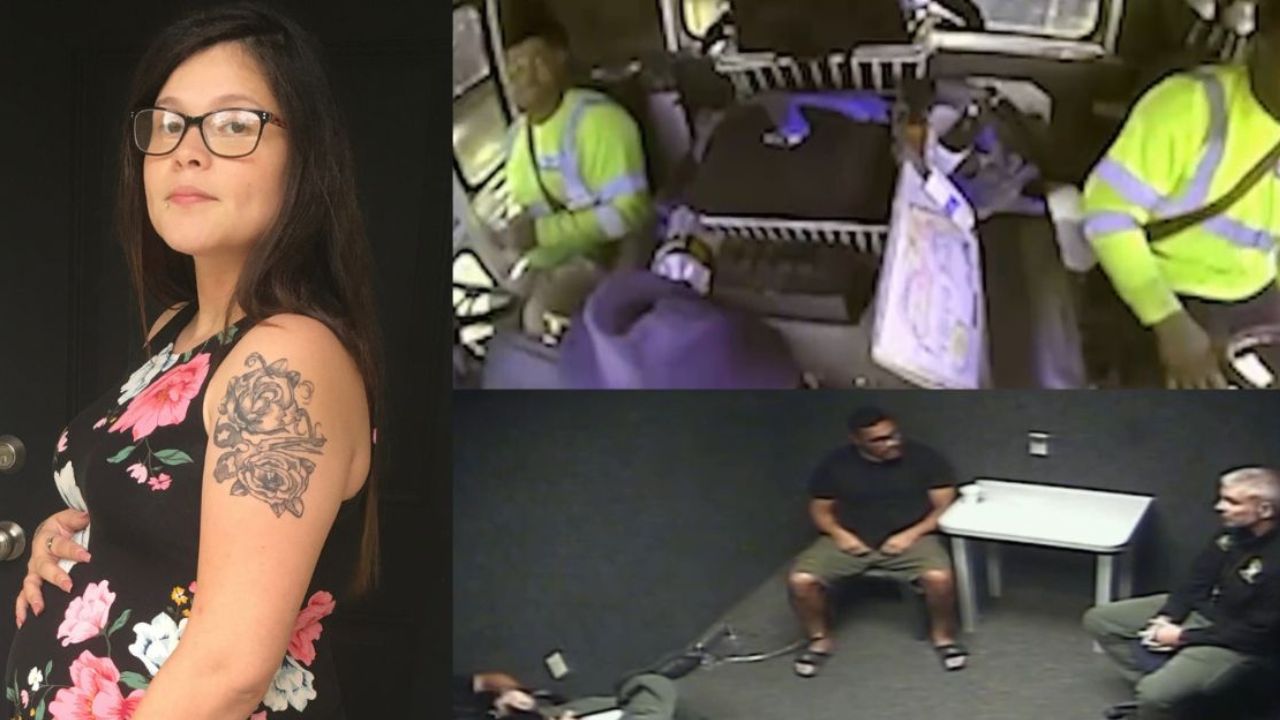
The case, now featured in A&E’s Killer Investigations, centers on the 2018 killing of 23-year-old Tania Wise, who was nearly nine months pregnant when her body was discovered in a roadside ditch.
Authorities said the investigation ultimately uncovered a combination of surveillance footage, DNA evidence, and recorded conversations that prosecutors argued left little doubt about who committed the crime.
Pregnant Woman Found Dead in Roadside Ditch
Police responded after receiving reports of a body in a ditch in St. Lucie County.
When officers arrived, they discovered Wise with fatal injuries to her neck. Investigators later confirmed she was carrying a baby boy, whom her family had planned to name Josiah Thomas Wise.
Just weeks before her death, loved ones had celebrated her pregnancy with a baby shower as she prepared to welcome her second child. Her mother, Elizabeth Bedolla, recalled the devastating moment she learned her daughter had died.
“They said that they found her. They said they found my daughter in a ditch. I thought it was a lie.”
Family members said Wise had been excited about becoming a mother again.
Investigation Shifted to Secret Relationship
Detectives initially questioned Wise’s on-again, off-again boyfriend. However, investigators later concluded he was not a likely suspect after an extensive interview.
The investigation then uncovered a secret relationship between Wise and Jose Soto-Escalera, a married garbage truck driver. Authorities determined Soto-Escalera was the father of Wise’s unborn child after DNA testing.
According to investigators, Soto-Escalera had allegedly given Wise $500 to terminate the pregnancy, but she chose not to do so. Prosecutors argued he feared the affair would destroy both his marriage and his livelihood.
Truck Cameras Captured Conversations Used at Trial
One of the most significant pieces of evidence came from cameras installed inside Soto-Escalera’s work truck.
According to prosecutors, the recordings captured conversations in which he discussed killing Wise while speaking with his nephew.
During trial, investigators read portions of the translated transcript to the jury.
“I’m going to blow her brains out so she doesn’t talk. I have to do it, Erick. I have no other choice.”
Prosecutors said another exchange occurred after the killing.
“Did you see the blood?” Erick allegedly asked.
The recordings became a central part of the state’s case. Prosecutor Donald Richardson later described the evidence as exceptionally compelling.
“As a prosecutor it was, you couldn’t have asked for better evidence.”
DNA and Surveillance Strengthened the Case
Investigators also relied on neighborhood surveillance cameras and cellphone data to place Soto-Escalera’s truck near Wise’s home on the night of the killing.
Authorities said blood recovered from the truck’s floorboard was identified as a high-probability DNA match to Wise. During the trial, Soto-Escalera chose not to testify, and the defense did not call any witnesses.
Defense attorneys argued during closing statements that Soto-Escalera’s wife could have committed the murder, but prosecutors rejected that theory.
California Man Arrested After Allegedly Pretending to Be FBI Agent at Miami Beach Nightclub
The jury deliberated for just over an hour before finding Soto-Escalera guilty of first-degree murder in the deaths of both Wise and her unborn child.
Family Remembers Tania Wise
During the sentencing phase, Wise’s young son addressed the court and spoke about losing his mother.
“My mother was the closest person to me, and she was like my best friend. On that day, I lost more than a mother.”
The jury voted 8-4 to recommend the death penalty, the minimum required under Florida law at the time. The judge later sentenced Soto-Escalera to death.
Wise’s mother said she hopes people remember her daughter for the joy she brought to others.
“My daughter didn’t deserve to die. Tania did not deserve to die. My grandson did not deserve to die.”
The case continues to be remembered as one in which modern technology, forensic evidence, and investigative work played a critical role in securing a conviction.
What are your thoughts on the role of surveillance technology and forensic evidence in solving homicide cases? Share your thoughts respectfully in the comments below.