Missoula, Montana — After a stretch of early summer heat across much of the western United States, a dramatic weather shift is expected to bring unusually cold temperatures, widespread rainfall, and even accumulating snow to portions of the northern Rockies by the end of the week.
Meteorologists say a strong cold front moving through the Pacific Northwest and Intermountain West could create conditions more typical of early spring than late June, with some mountain communities preparing for snowfall during the final weekend of the month.
The unusual forecast comes as many Americans are making outdoor recreation plans ahead of the Fourth of July holiday period.
Powerful Cold Front Set to Change Weather Pattern
According to forecasters, a relatively potent cold front for this time of year will sweep across the western United States beginning Friday.
The system is expected to bring significant relief from the recent heat that has affected many areas of the West.
Temperatures are forecast to steadily fall as the front moves through, with some locations dropping well below normal for late June.
Weather experts say the cooling trend will become even more noticeable during the weekend as daytime highs struggle to reach seasonal averages.
For many mountain communities, the change could feel especially dramatic after the warmer conditions experienced earlier in the week.
Rain and Mountain Snow Expected
The National Weather Service office in Missoula is forecasting widespread precipitation across portions of Montana and surrounding areas.
Forecasters indicate there is a high probability that many locations will receive significant rainfall, with some higher elevations and areas along the Continental Divide potentially seeing more than an inch of precipitation.
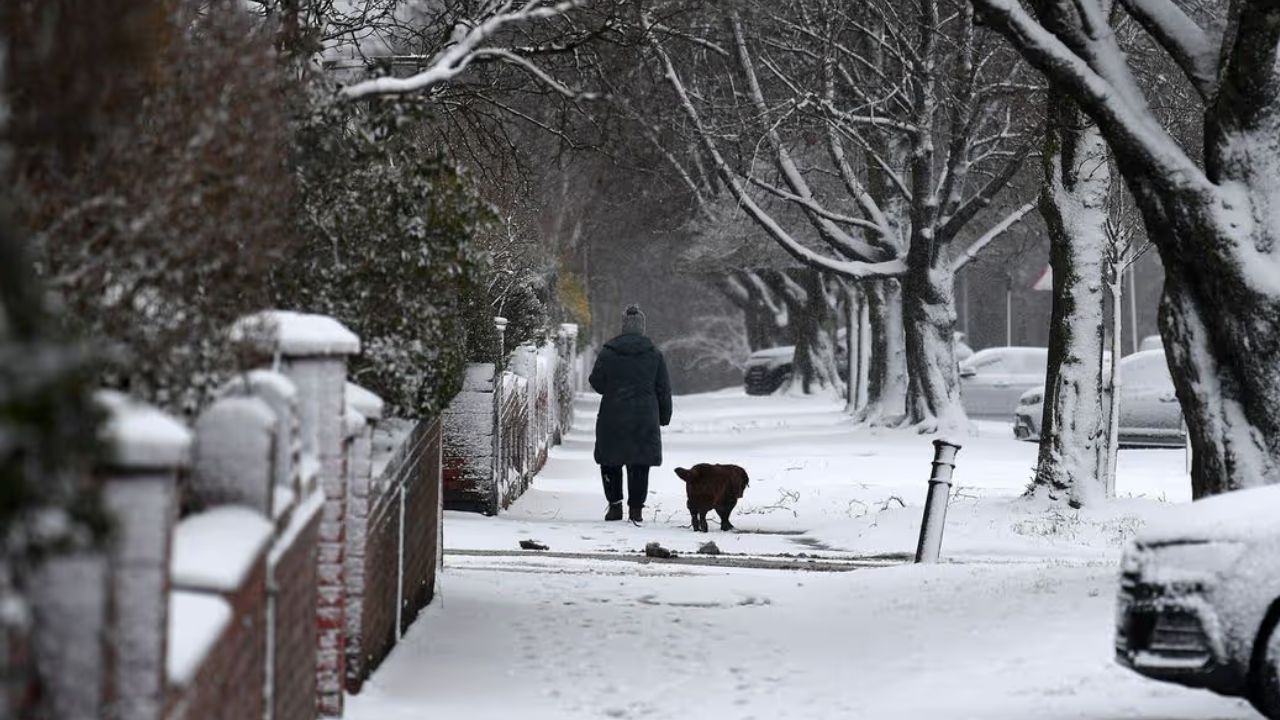
While rain will dominate lower elevations, colder air moving into the region is expected to create favorable conditions for snowfall in the mountains.
Meteorologists say snow could continue into Sunday as temperatures drop further across the higher terrain.
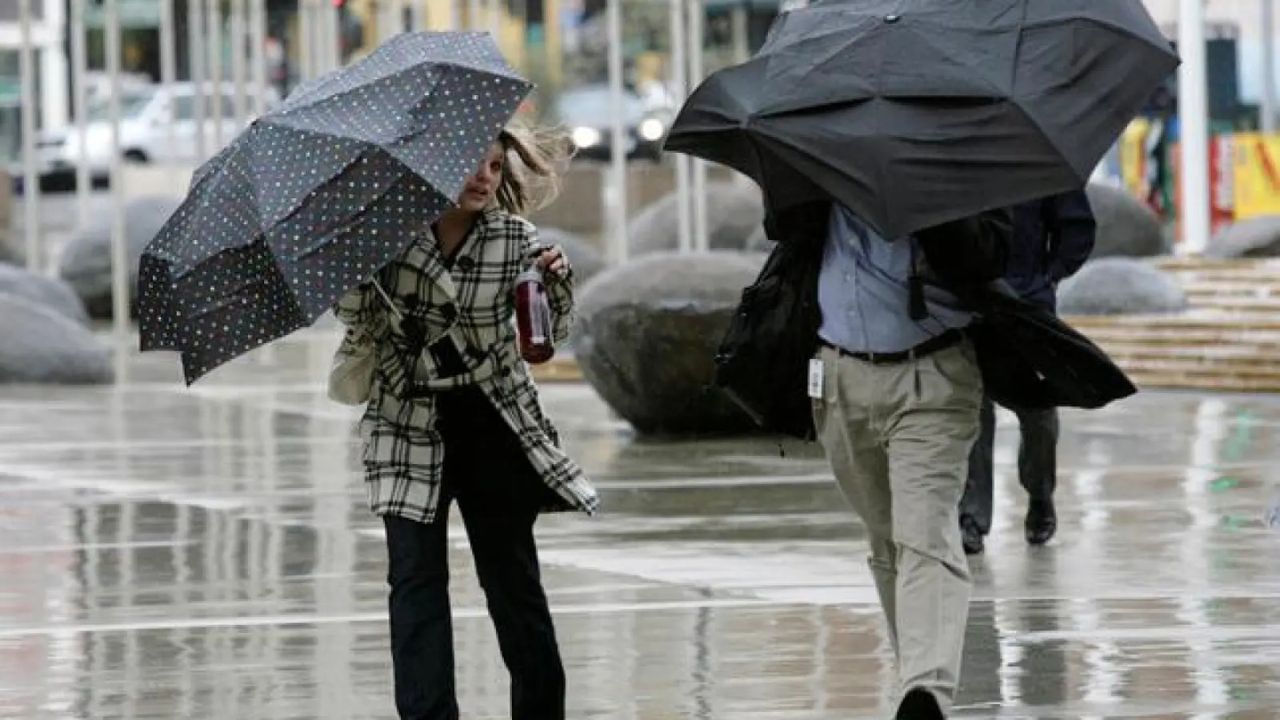
The combination of cold temperatures, wet conditions, and gusty weather may create challenging conditions for hikers, campers, and outdoor enthusiasts.
Snow Levels Expected to Drop
One of the most notable aspects of the forecast is the expected decline in snow levels.
Forecasters predict that snow levels could fall to approximately 7,000 feet by Sunday morning and remain near that elevation into Monday.
As a result, mountain peaks and higher terrain could receive accumulating snowfall despite the calendar nearing July.
Weather officials noted that Sunday is expected to be the coldest day of the event, with afternoon temperatures running roughly 20 degrees below seasonal averages in some areas.
Valley communities may struggle to climb out of the 50s and 60s, while higher elevations could remain in the 30s and 40s throughout much of the day.
Outdoor Recreation Plans Could Be Impacted
The sudden return of winter-like conditions may catch some outdoor adventurers off guard.
Forecasters are encouraging anyone planning backcountry trips, camping excursions, or mountain recreation activities to closely monitor weather updates.
The National Weather Service warned that the combination of cold temperatures and wet weather could increase the risk of hypothermia, particularly in higher elevations where snow is expected.
Travelers heading into mountainous regions are advised to pack extra layers, waterproof gear, and emergency supplies.
Heat Dome Could Develop Across Eastern U.S.
While the West prepares for cooler weather, forecasters say the eastern half of the country could experience the exact opposite trend.
Meteorologists are monitoring a large area of high pressure that may strengthen over the East during the days leading up to Independence Day.
If the system develops as expected, it could create a heat dome pattern that promotes above-average temperatures across many states east of the Rockies.
That setup could result in hotter-than-normal conditions continuing into the Fourth of July holiday period.
The contrasting weather patterns highlight the remarkable differences expected across the country, with some Americans preparing for summer snow while others brace for potential heat.
Have you ever experienced snow during the summer months? Do you prefer cooler mountain weather or the traditional summer heat? Share your thoughts and experiences in the comments below.