Orlando, Florida — Nearly a decade after a tragic alligator attack at Walt Disney World shocked the nation, wildlife officials continue to work alongside Disney to enhance guest safety by removing potentially dangerous alligators from resort property.
According to reports, the Florida Fish and Wildlife Conservation Commission (FWC) has removed 414 alligators from Walt Disney World property since 2016, when a young child was killed by an alligator at Disney’s Grand Floridian Resort & Spa.
The ongoing effort highlights the challenges of operating a massive resort in a state that is home to one of the largest alligator populations in the United States.
Disney and Wildlife Officials Continue Safety Efforts
Florida’s warm climate and abundance of lakes, ponds, and wetlands make encounters with alligators a reality throughout much of the state.
Following the 2016 tragedy, Disney and wildlife officials expanded safety measures across the resort to reduce the risk of future incidents.
The FWC works with licensed nuisance alligator trappers to remove animals that are considered a threat to people, pets, or property. Generally, alligators measuring more than four feet in length may qualify for removal if they are believed to pose a safety concern.
Officials note that smaller alligators are usually less dangerous, although people are strongly advised never to approach, feed, or handle them.
Why Relocating Alligators Isn’t Always an Option
Many visitors may wonder why captured alligators are not simply moved to another location.
Wildlife experts say relocation often creates new problems because alligators have a strong instinct to return to their original territory. In many cases, relocated animals attempt to travel back to where they were captured.
Additionally, remote habitats already contain established alligator populations with their own social structures.
Introducing new alligators into those environments can disrupt existing populations and lead to territorial conflicts among the animals.
Because of these concerns, Florida’s nuisance alligator management program follows strict procedures when dealing with potentially dangerous wildlife.
New Barriers and Warning Systems Added Across Resort
In addition to removing hundreds of alligators, Disney has invested heavily in safety improvements around bodies of water throughout the resort.
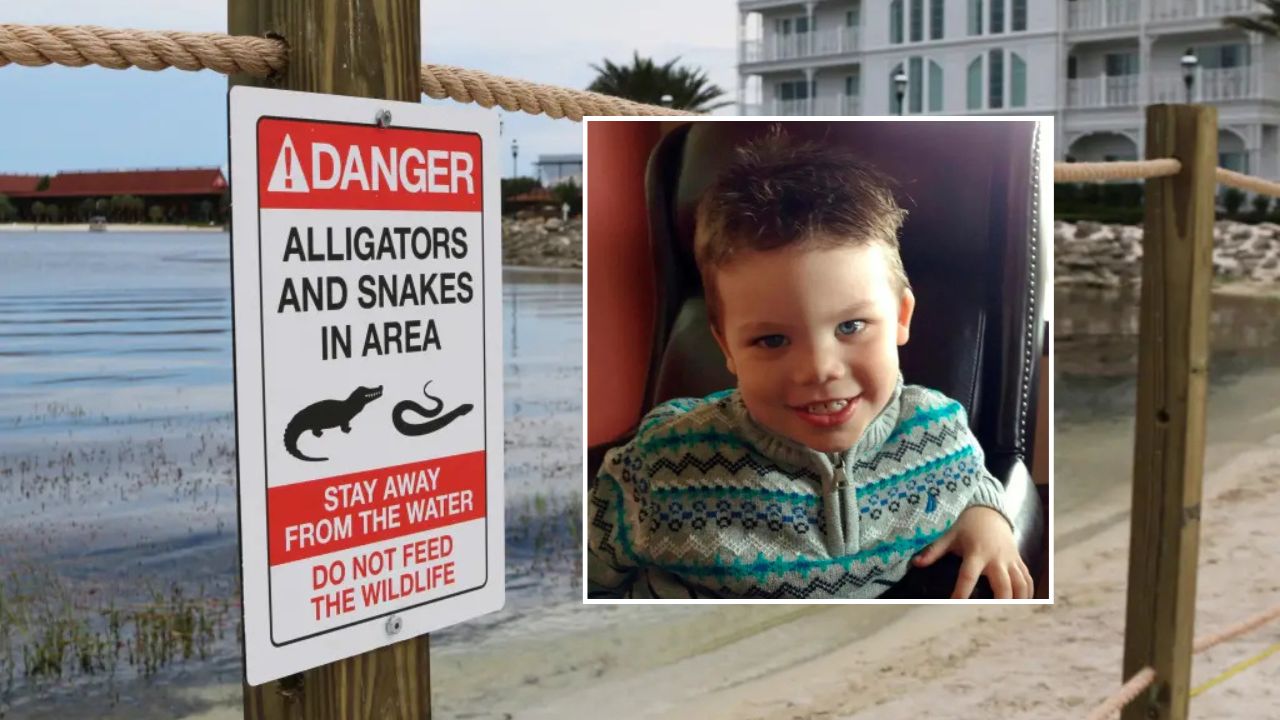
Visitors now encounter a variety of protective measures near lakes and waterways, including fencing, rock barriers, warning signs, and restricted-access areas.
These changes were designed to help keep guests away from areas where wildlife may be present while also reducing the likelihood of dangerous encounters.
Dirty 30 Alert: Three South Florida Restaurants Hit With 30+ Health Violations in Latest Inspections
The improvements have become a visible part of Disney’s broader safety strategy in the years since the fatal attack.
Florida Remains Home to More Than One Million Alligators
While the number of alligators removed from Disney property may seem significant, wildlife officials say it represents only a tiny fraction of Florida’s overall alligator population.
The state is estimated to have approximately 1.3 million alligators spread across all 67 counties, making encounters with the reptiles a common reality in many communities.
Experts say the removal of nuisance alligators has little impact on the species as a whole because Florida maintains a healthy and stable alligator population.
Officials continue to remind residents and tourists that alligators can be found in nearly any freshwater body in the state and that maintaining a safe distance is always recommended.
Focus Remains on Preventing Another Tragedy
As millions of visitors prepare for summer vacations at Walt Disney World, state wildlife officials and Disney representatives continue working together to reduce risks and maintain safe conditions across the property.
The removal of more than 400 alligators over the past decade reflects a long-term commitment to preventing dangerous encounters while balancing Florida’s unique natural environment.
With additional barriers, warning systems, and ongoing wildlife management efforts in place, officials hope the steps taken since 2016 will help ensure a similar tragedy never happens again.
What do you think about Disney’s approach to alligator safety? Should theme parks in wildlife-heavy regions implement even stricter precautions, or are the current measures enough? Share your thoughts respectfully in the comments below.