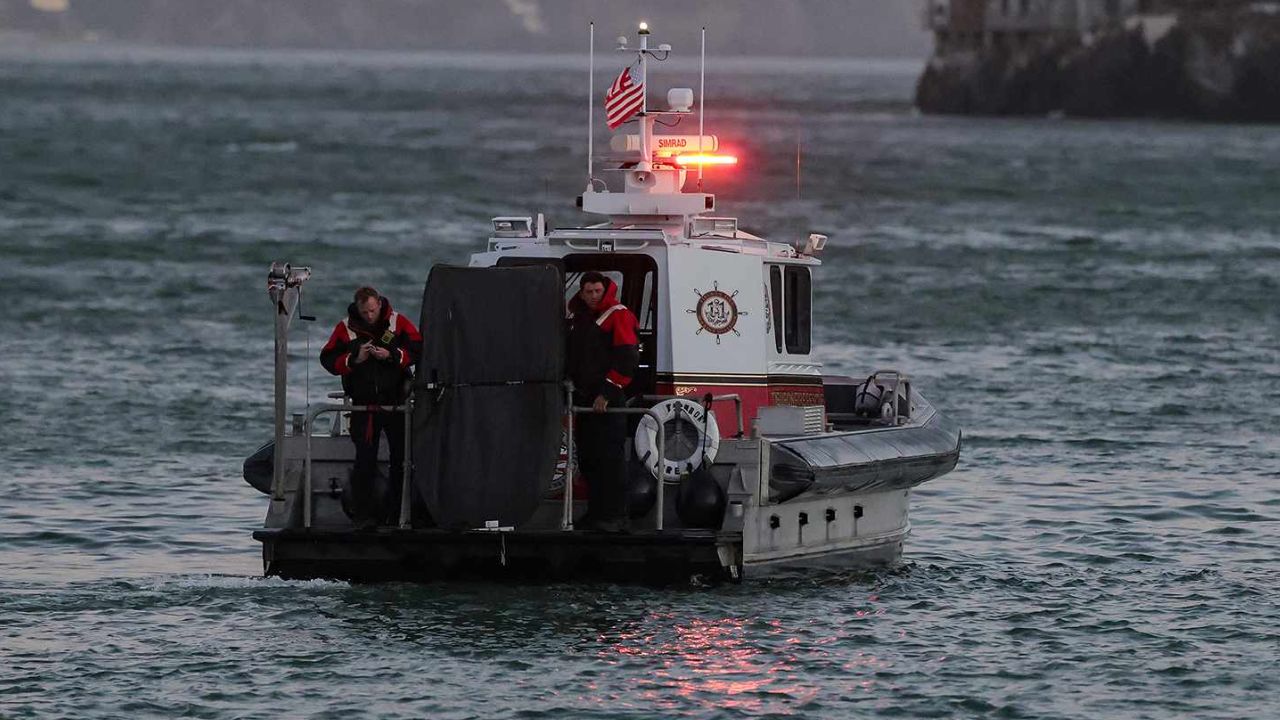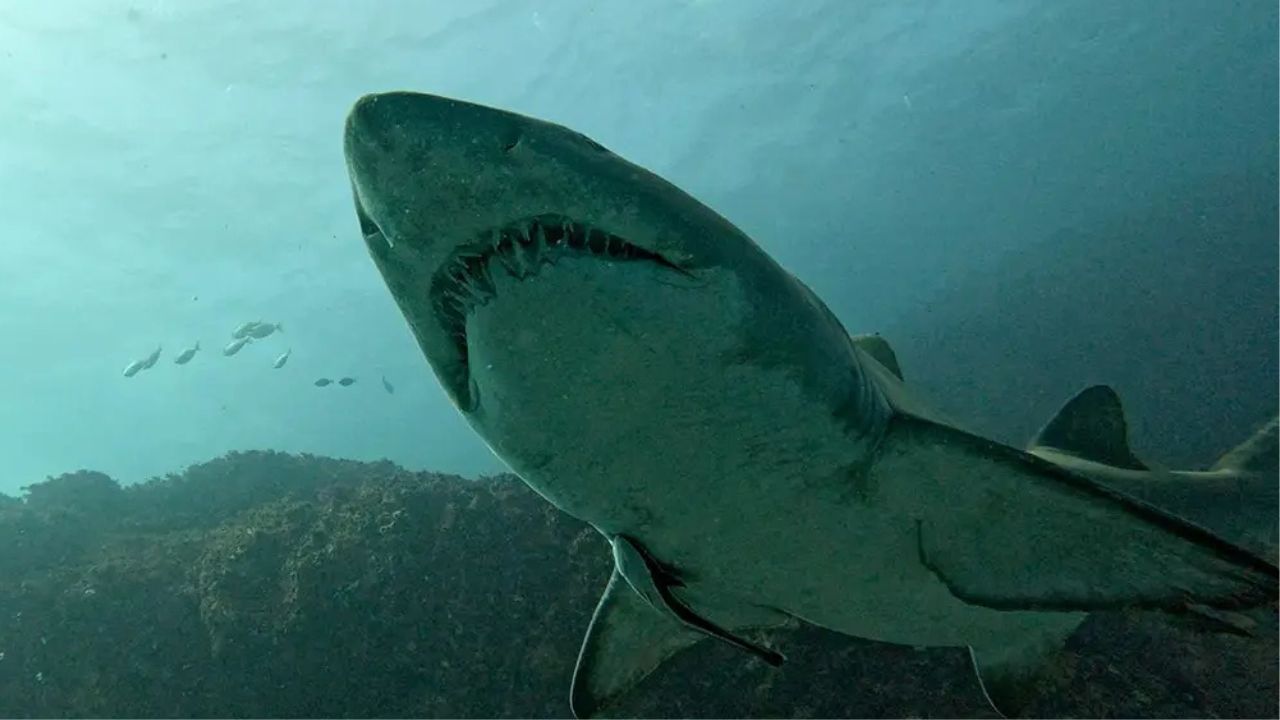
Long Beach, California — With the 2028 Los Angeles Olympics approaching, California researchers are working on an innovative technology designed to improve safety for both athletes and beachgoers. Scientists at California State University Long Beach’s Shark Lab are developing a solar-powered shark-surveillance robot that could patrol coastal waters, detect tagged sharks, and provide lifeguards with real-time information before Olympic competitions begin.
The project aims to combine several existing shark-monitoring technologies into a single autonomous platform capable of operating for days at a time.
Shark-Spotting Robot Designed to Patrol Beaches
The robotic vessel measures about 10 feet long and is roughly the width of a paddleboard. Once fully developed, researchers say it will be able to patrol designated beaches autonomously for up to one week before requiring maintenance.
According to Shark Lab Director Chris Lowe, the vessel will carry multiple tools designed to monitor ocean conditions.
“It will have a drone on it (to) fly around and find sharks,” Lowe explained.
In addition to launching an aerial drone, the robot will listen for acoustically tagged sharks, collect seawater samples, and analyze them for white shark DNA, providing lifeguards with valuable information about marine activity near swimmers.
Olympic Events Make Safety a Priority
The technology is being developed with the 2028 Los Angeles Olympics in mind, as several events will take place in Southern California’s coastal waters.
Open-water swimming is scheduled for Long Beach, while Olympic surfing will be held in Orange County.
Researchers note that juvenile white sharks are already known to frequent waters near Long Beach, although encounters with humans rarely result in incidents.
Lowe said the goal is to give lifeguards better information rather than trigger unnecessary beach closures.
“We are going to have athletes swimming in Long Beach harbor, where we know there has been white sharks before,” Lowe said, explaining that the robot could help lifeguards better protect Olympic competitors and the public.
Technology Builds on Years of Shark Research
The Shark Lab has spent years studying shark movements along the California coastline.
Researchers have already tagged hundreds of juvenile white sharks and currently rely on aerial drones and underwater acoustic listening stations to monitor their locations.
The new robotic vessel is designed to bring these technologies together into one mobile system capable of continuously gathering information while patrolling coastal waters.
Scientists emphasize that the presence of sharks alone does not automatically create danger.
According to Lowe, research has shown that sharks are often present near Southern California beaches without any incidents, but knowing which sharks are nearby and how many are in the area helps lifeguards make informed decisions about swimmer safety.
Funding Remains a Major Challenge
Although researchers say the project has made encouraging progress, significant work remains before robotic shark patrols become a regular part of beach safety operations.
The Shark Lab acknowledged that additional research and development will be necessary before the system is ready for widespread deployment.
Funding also presents an ongoing concern.
State funding that helped support development of the surveillance vessel is reportedly expected to expire this fall, potentially affecting future shark-monitoring efforts.
Researchers say the robot depends on an active shark-tagging program because it can only detect sharks that have already been fitted with acoustic tracking devices.
“It won’t work if we don’t have tagged sharks out there, so we got to keep tagging sharks,” Lowe said.
While the 2028 Los Angeles Olympics provide an important milestone, researchers say the long-term goal is to use the technology to improve beach safety across Southern California well after the Games have concluded.
What do you think about using robotic technology to monitor sharks near popular beaches? Could systems like this make coastal waters safer without disrupting marine life? Share your thoughts in the comments below.