Tallahassee, Florida — Florida health officials have confirmed the state’s first death of 2026 linked to Vibrio vulnificus, a rare but dangerous bacterium often referred to as “flesh-eating bacteria.” The fatal case comes as infections typically begin increasing during the warmer summer months, prompting renewed public health warnings about exposure to coastal waters and raw seafood.
Palm Beach County Resident Dies From Rare Infection
According to state health officials, the person who died was a Palm Beach County resident between 80 and 84 years old. The infection was first reported to the state in June, although authorities have not disclosed the exact date of death or how the individual contracted the bacteria.
As of July 23, Florida had confirmed 11 non-fatal Vibrio vulnificus cases across Miami-Dade, Hillsborough, Lee, Palm Beach, Marion, Okaloosa, Polk, and St. Johns counties. Palm Beach County accounted for two of those cases, including the fatal infection.
In 2025, Florida recorded 33 infections and five deaths linked to the bacterium.
What Is Vibrio vulnificus?
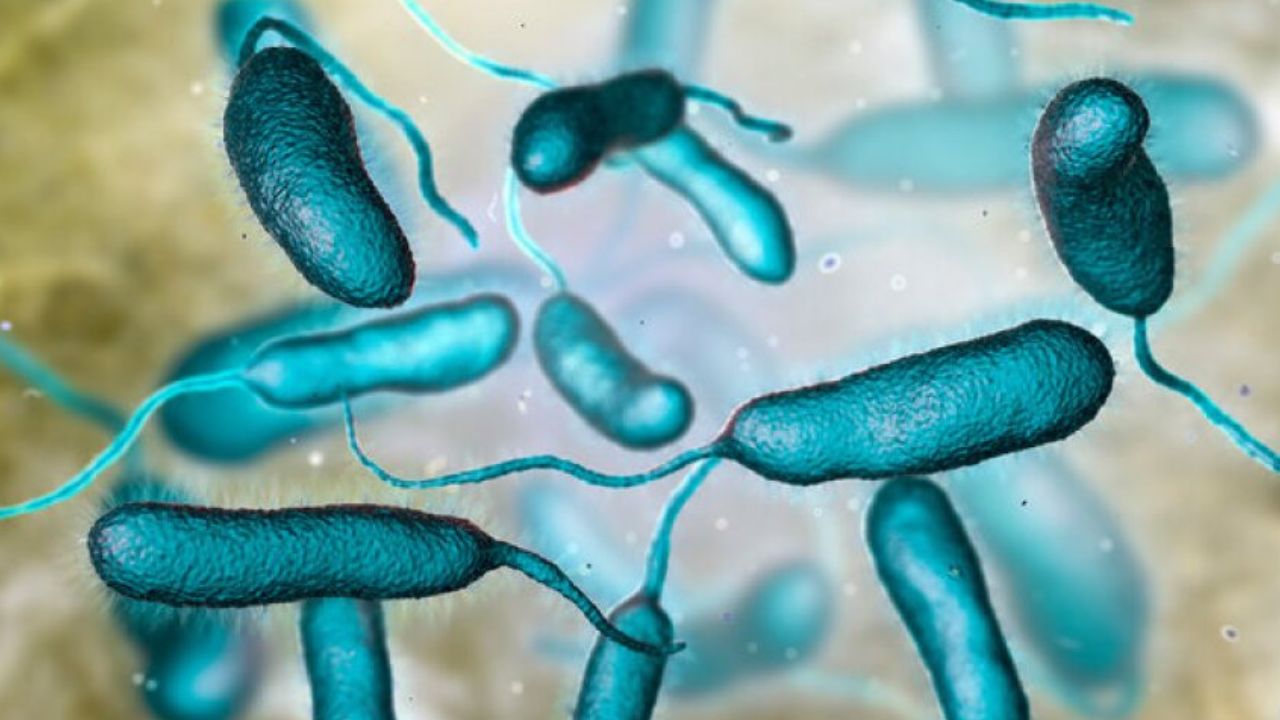
Vibrio vulnificus naturally lives in warm coastal and brackish waters, where freshwater mixes with saltwater.
People can become infected in two primary ways:
- An open wound, including a recent cut, tattoo, or piercing, comes into contact with contaminated coastal or brackish water.
- Eating raw or undercooked shellfish, particularly oysters, which can concentrate the bacteria.
Although commonly called “flesh-eating bacteria,” the organism does not actually consume human tissue. Instead, severe infections can produce toxins that destroy surrounding tissue, causing rapidly spreading skin damage and serious medical complications.
Why the Infection Can Become Life-Threatening
Health experts warn that Vibrio vulnificus infections can progress very quickly.
Severe wound infections may cause intense pain, swelling, redness, blistering, and tissue destruction. If the bacteria enter the bloodstream, patients can develop fever, chills, dangerously low blood pressure, septic shock, and organ failure.
According to the Centers for Disease Control and Prevention (CDC), about one in five people infected with Vibrio vulnificus die, sometimes within one to two days after symptoms begin.
Florida health officials also note that approximately half of all bloodstream infections prove fatal, highlighting the importance of seeking immediate medical attention if symptoms develop after exposure.
Who Faces the Greatest Risk?
While healthy individuals can become infected, people with certain underlying medical conditions face a much higher risk of severe illness.
Those most vulnerable include individuals living with:
- Liver disease
- Kidney disease
- Diabetes
- Cancer
- HIV
- Weakened immune systems
The Florida Department of Health says people with these conditions may be up to 80 times more likely to develop a life-threatening bloodstream infection than otherwise healthy individuals.
Unexpected Hammerhead Shark Sighting Off Rhode Island Marks a Major Milestone in Shark Research
Health Officials Urge Summer Precautions
Most Vibrio vulnificus infections occur between May and October, when coastal waters become warmer and create favorable conditions for bacterial growth.
Florida has also experienced spikes in infections following major hurricanes, including Hurricanes Ian and Helene, when floodwaters increased the likelihood of contaminated coastal water coming into contact with open wounds.
Health officials recommend avoiding saltwater or brackish water if you have cuts or broken skin, wearing protective footwear around shells and rocks, using gloves when handling raw seafood, and thoroughly cooking oysters and other shellfish before eating.
Officials stress that while infections remain rare, recognizing symptoms early and seeking prompt medical care can significantly improve outcomes.
Do you think more public health warnings should be posted at beaches and seafood markets during the summer months? Share your thoughts in the comments below.