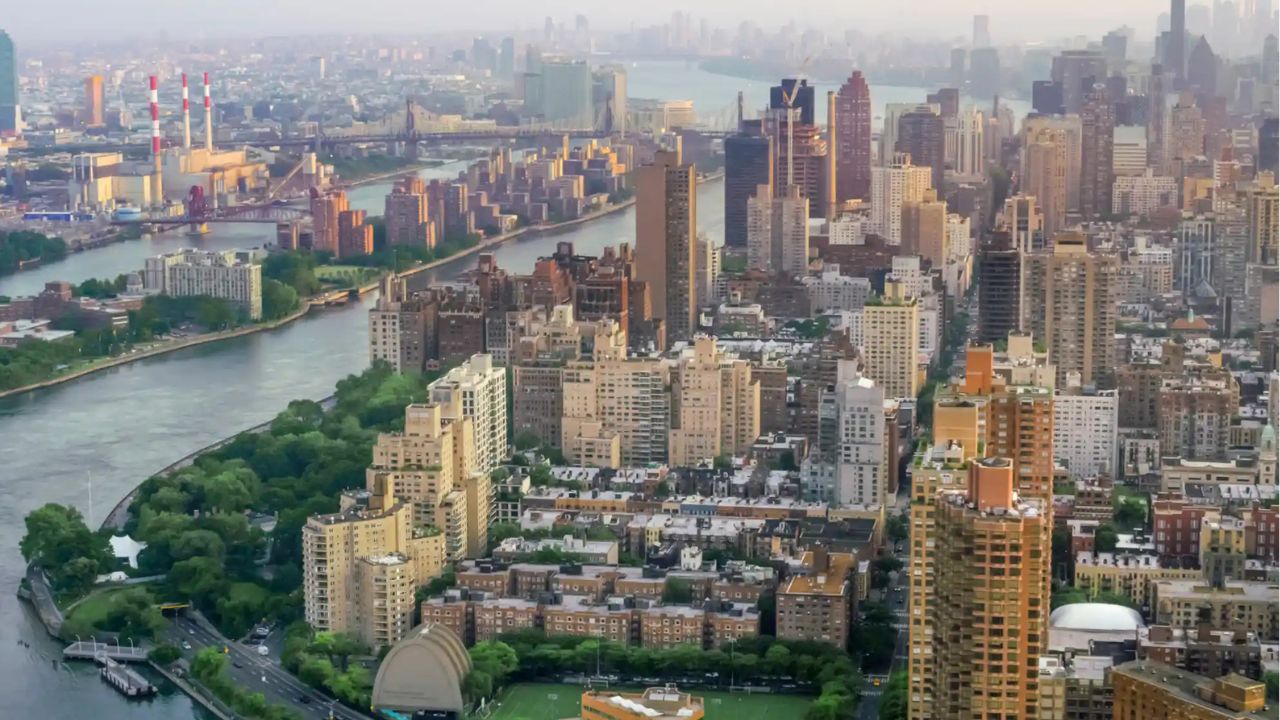
Manhattan, New York — Health officials are investigating a rapidly growing Legionnaires’ disease outbreak on Manhattan’s Upper East Side after the number of confirmed cases climbed to 18, prompting an urgent public health advisory for residents and visitors.
According to the New York City Health Department, the outbreak is centered in the Yorkville and Carnegie Hill neighborhoods. Officials said the affected ZIP codes include 10028, 10128 and 10075.
The latest update marks a significant increase in reported illnesses. Just days earlier, health officials had identified only two confirmed cases linked to the cluster.
Cooling Towers Under Investigation
City officials believe the outbreak is most likely linked to a cooling tower, which can release tiny water droplets containing Legionella bacteria into the air if not properly maintained.
Authorities have begun testing all cooling towers within the affected area to identify the source of the outbreak.
According to the Health Department, cooling towers are commonly located on top of buildings and help regulate refrigeration and air-conditioning systems.
Officials stressed that drinking water and residential plumbing systems are not believed to be the source of the outbreak.
Residents have also been advised that it remains safe to drink tap water, bathe, shower, cook and continue using home air conditioners, especially as New York experiences periods of extreme summer heat.
What Is Legionnaires’ Disease?
Legionnaires’ disease is a serious form of pneumonia caused by inhaling water droplets contaminated with Legionella bacteria.
The illness is not typically spread from person to person.
Symptoms often resemble the flu and may include:
- Persistent cough
- Fever
- Shortness of breath
- Headache
- Nausea
While most cases can be successfully treated with antibiotics, severe infections can lead to lung failure or even death, particularly among older adults, smokers, and people with weakened immune systems.
Health Officials Urge Anyone With Symptoms to Seek Care
The Health Department is encouraging anyone who lives, works, or visited the affected neighborhoods since late June to contact a healthcare provider immediately if they develop symptoms such as cough, fever, or difficulty breathing.
The affected area includes several well-known landmarks and busy destinations, including Gracie Mansion, the official residence of New York City’s mayor, as well as Museum Mile, home to attractions such as the Metropolitan Museum of Art, the Solomon R. Guggenheim Museum, and the Cooper Hewitt, Smithsonian Design Museum.
With thousands of residents, workers and tourists visiting the area each day, officials are closely monitoring the situation while laboratory testing continues.
Previous Outbreak Raises Concern
The latest outbreak comes less than a year after another significant Legionnaires’ disease outbreak in Harlem, where contaminated cooling towers were linked to more than 100 illnesses and six deaths.
Although no deaths have been reported in the current Upper East Side cluster, health officials continue to investigate the source and are urging the public not to ignore early symptoms.
Authorities say additional updates will be released as testing continues and more information becomes available.
Have you or someone you know visited Manhattan’s Upper East Side recently? What steps do you think cities should take to prevent outbreaks like this? Share your thoughts respectfully in the comments below.