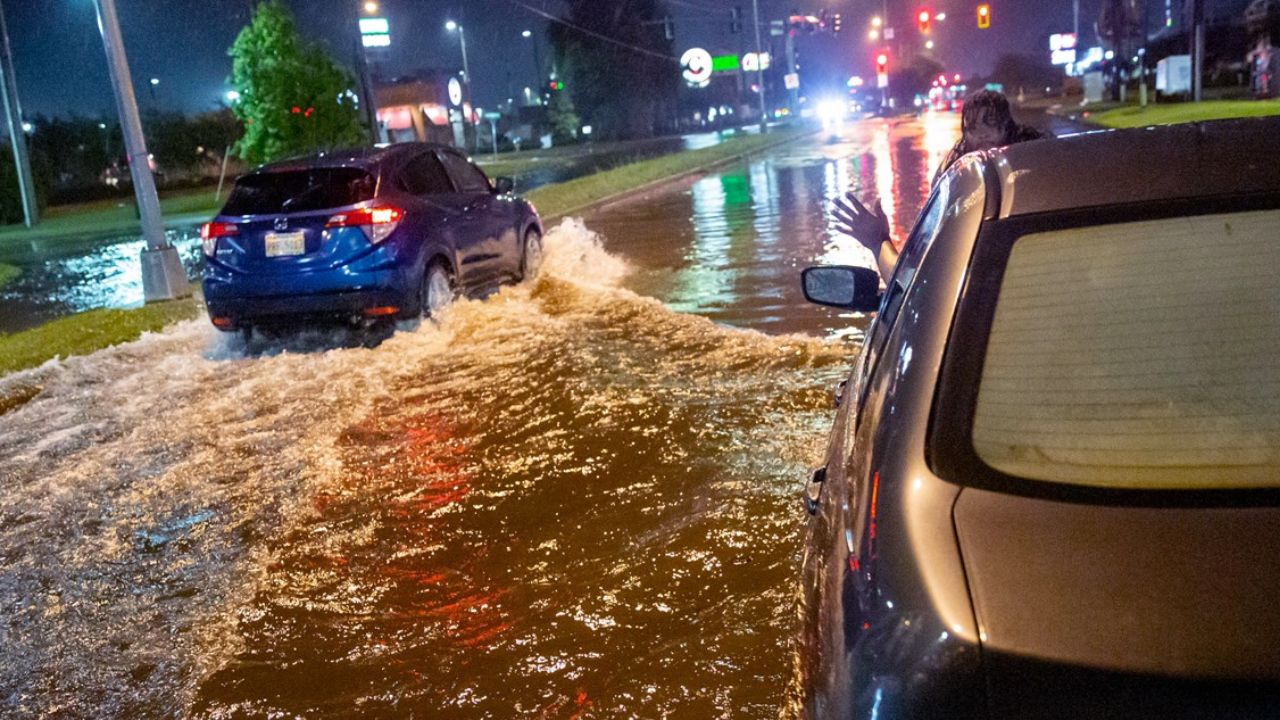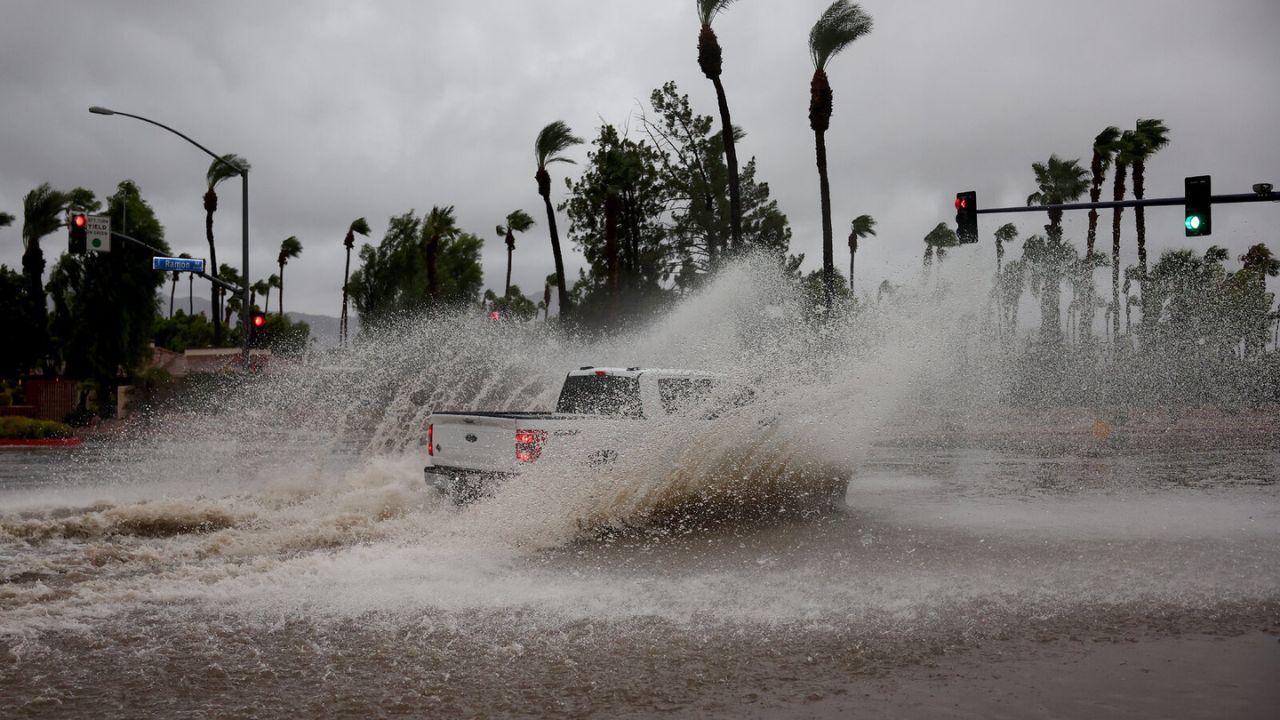
Washington, D.C. — Climate scientists are warning that a powerful El Niño pattern could increase the likelihood of dramatic weather shifts across multiple continents, bringing everything from flooding and cooler temperatures to drought and extreme heat.
While El Niño events occur naturally, stronger episodes have historically been associated with widespread disruptions to weather patterns, agriculture, water supplies, and economies around the world.
Experts caution that no two El Niño events are exactly alike, but forecasts suggest the phenomenon could influence conditions across North America, the Caribbean, and parts of Asia.
What Is El Niño?
El Niño is a climate pattern that develops when surface waters in the central and eastern Pacific Ocean become warmer than normal.
These warmer ocean temperatures can alter atmospheric circulation, affecting rainfall, temperatures, and storm activity across large parts of the globe.
Although the strongest impacts are often felt near the Pacific, weather changes linked to El Niño can extend thousands of miles beyond the ocean itself.
Scientists say the phenomenon can contribute to both unusually wet and unusually dry conditions depending on the region.
North America Could Experience Sharp Weather Contrasts
According to climate experts, winter weather across North America may vary significantly if a strong El Niño develops.
The northern half of the continent often experiences warmer-than-average winter temperatures, while portions of the southern United States can see cooler and wetter conditions.
The Southeast and Gulf Coast regions are among the areas that could receive above-average rainfall during a strong El Niño pattern.
At the same time, other locations could face very different outcomes, highlighting the complex nature of global climate systems.
Drought Concerns Emerging in Other Regions
Scientists also warn that some areas could experience reduced rainfall and worsening drought conditions.
The Caribbean is among the regions identified as potentially vulnerable to drier-than-normal weather. Meanwhile, parts of India and Southeast Asia could see weaker summer monsoons, which play a critical role in agriculture and water resources.
Reduced monsoon activity can have major consequences for food production, economic stability, and access to water for millions of people.
Because so many communities depend on seasonal rainfall patterns, even modest changes can create significant challenges.
Economic Costs Can Reach Trillions
Beyond weather impacts, researchers say major El Niño events can carry enormous economic consequences.
A 2023 study published in the journal Science found that the 1982–83 El Niño contributed to approximately $4.1 trillion in global income losses, while the 1997–98 event was linked to an estimated $5.7 trillion in losses worldwide.
These costs can stem from crop failures, infrastructure damage, business disruptions, disaster recovery efforts, and other economic impacts tied to extreme weather.
Mississippi Faces Flooding Threat as Heavy Rain and Storms Move In Next Week
As a result, governments and businesses closely monitor El Niño forecasts to prepare for potential disruptions.
Scientists Stress Uncertainty Remains
Despite concerns about a stronger event, experts emphasize that forecasts cannot guarantee specific outcomes.
Michelle L’Heureux, a physical scientist with NOAA, noted that stronger El Niño events increase the likelihood of certain impacts but do not guarantee them.
“Stronger El Niño events do not ensure strong impacts; they can only make certain impacts more likely.”
She added that uncertainty remains high enough that weaker-than-expected effects would not be surprising.
As scientists continue monitoring ocean temperatures and atmospheric conditions, communities around the world will be watching closely to see how the climate pattern develops and what impacts it may bring in the months ahead.
Do you think communities and governments are prepared for the growing economic and weather-related impacts linked to major climate events? Share your thoughts respectfully in the comments below.