Miami-Dade County, Florida — Three South Florida restaurants have landed on this week’s “Dirty 30” list after state inspectors documented 30 or more violations during single inspections, raising concerns about food safety, sanitation, and facility maintenance.
The inspections, conducted at establishments in Hialeah, Doral, and Key Biscayne, uncovered issues ranging from mold buildup and improper food temperatures to employee training deficiencies and repeat violations.
Hialeah Restaurant Tops List With 43 Violations
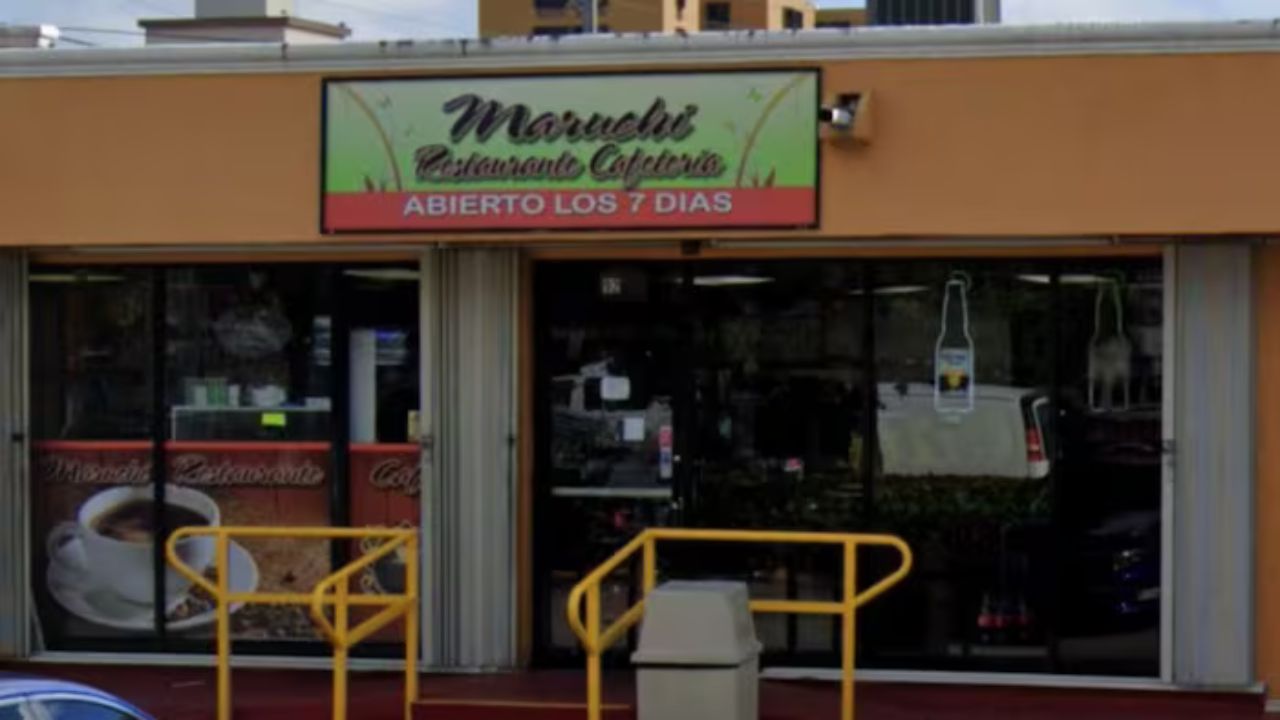
Maruchi Supermarket and Cafeteria, located on East 8th Street in Hialeah, received the highest number of violations after inspectors conducted a complaint-based inspection on June 9.
Among the findings were reports of dead roaches, standing water, mold-like buildup inside an ice machine, improperly stored food, damaged ceiling tiles, and multiple repeat violations.
Inspectors also documented food safety concerns involving improperly cooled cooked black beans and hot foods being held below required temperatures.
The report noted that a stop-sale order was issued for cooked black beans that were allegedly stored above safe cold-holding temperatures for more than four hours.
Additional concerns included employee hygiene violations, food stored on floors, unclean equipment, missing vacuum breakers, and uncovered food containers inside refrigeration units.
Several issues were marked as repeat violations, indicating they had been cited during previous inspections.
Doral Restaurant Cited for 34 Violations
Bocas House, located on Northwest 25th Street in Doral, was cited for 34 violations during an inspection conducted on June 2.
Inspectors identified a variety of maintenance and food safety issues throughout the restaurant.
Among the violations were damaged and missing ceiling tiles, food stored on floors, improper thawing procedures, standing water inside coolers, and sanitation concerns involving the dishwashing system.
Officials also cited the establishment for food temperature violations, employee beverage containers stored near food, expired employee training certifications, and the absence of a certified food service manager on duty.
Several violations were categorized as repeat offenses, including issues involving cold food storage temperatures, damaged flooring, rusted shelving, and unsealed flooring surfaces.
Inspectors additionally noted that renovations had reportedly been performed without an approved plan review.
Key Biscayne Sushi Restaurant Lands on Dirty 30 List
Papercrane Thai & Sushi on Crandon Boulevard in Key Biscayne received exactly 30 violations during a June 10 inspection.
Inspectors documented concerns involving food safety procedures, equipment sanitation, and employee training.
Among the issues cited were mold-like buildup inside an ice machine, improperly sanitized food-contact surfaces, raw fish safety concerns, food temperature violations, and chemicals stored improperly.
The inspection also found that some food items were not properly labeled, certain ready-to-eat foods lacked required date markings, and handwashing stations were not fully stocked or properly maintained.
First Major Heat Wave of 2026 Set to Roast Washington and Oregon as Temperatures Near 100 Degrees
Particular attention was given to concerns involving raw seafood preparation, including findings related to parasite destruction requirements and the storage of raw animal products near ready-to-eat foods.
Employee training deficiencies were also noted during the inspection.
Why These Violations Matter
Health inspections are designed to identify conditions that could potentially increase the risk of foodborne illness or compromise sanitation standards.
While not every violation directly threatens customer health, large numbers of violations can indicate broader operational problems that require corrective action.
State inspectors routinely conduct follow-up visits to verify whether cited violations have been corrected and whether establishments are complying with food safety regulations.
Consumers are encouraged to review restaurant inspection reports and remain informed about food safety conditions at establishments they visit.
For restaurant operators, repeated violations can lead to increased scrutiny and potential enforcement actions if deficiencies are not addressed.
Would inspection scores influence your decision to dine at a restaurant? Do you think restaurants with repeated violations should face stricter penalties? Share your thoughts respectfully in the comments below.