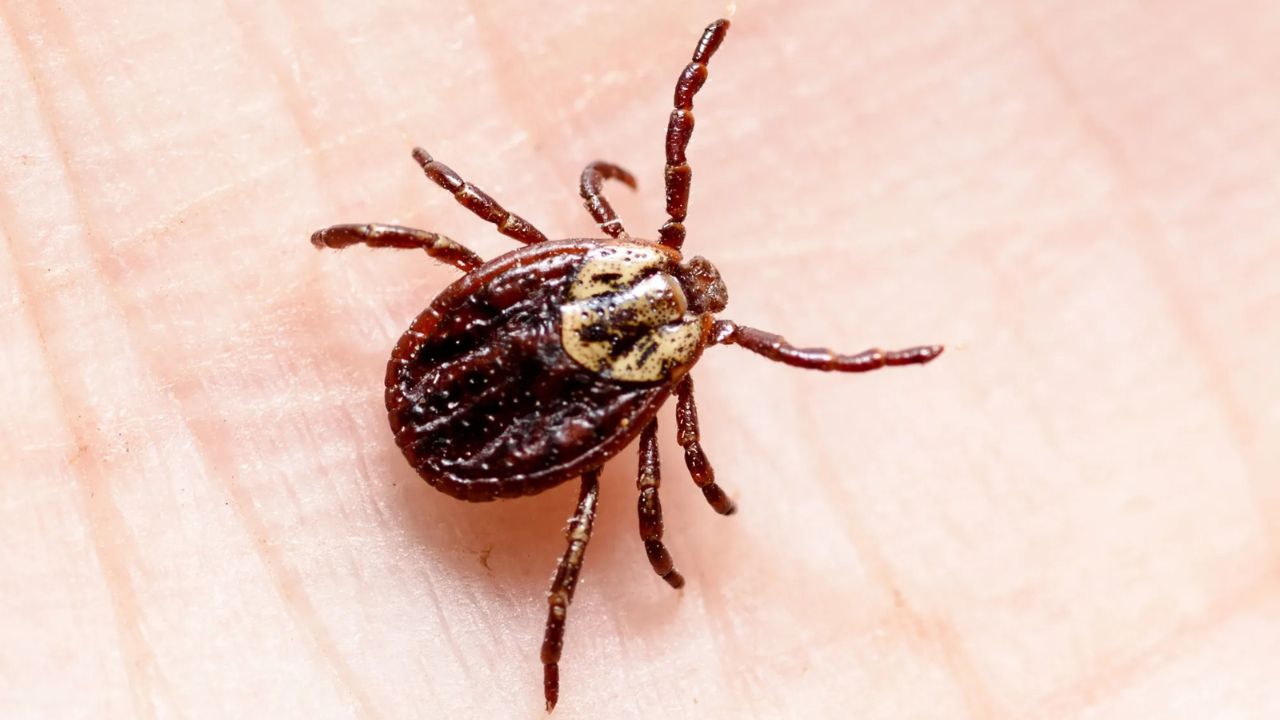
Herkimer County, New York — Health officials are closely monitoring the emergence of a rare Lyme disease-causing bacterium after it was detected in New York State for the first time, according to a recent report from the Centers for Disease Control and Prevention (CDC).
The discovery follows the diagnosis of a Herkimer County resident who became ill in late June 2025 with symptoms consistent with a tick-borne disease. Further testing confirmed the individual had been infected with Borrelia mayonii, a bacterium linked to Lyme disease that had previously been reported only in parts of the Midwest.
The finding has raised new questions about whether the pathogen is becoming established in New York and what it could mean for public health moving forward.
First Known Local Infection Reported in New York
According to the CDC report, the patient also tested positive for anaplasmosis, another tick-borne illness commonly spread by black-legged ticks.
The individual was treated with the antibiotic doxycycline and ultimately made a full recovery.
Investigators found no evidence that the patient had traveled to areas where B. mayonii had previously been detected. The person also had no history of blood transfusions or organ transplants, leading researchers to conclude that the infection was most likely acquired locally in New York.
That conclusion prompted a broader investigation into tick populations in the area.
Researchers Find Rare Bacteria in Local Tick Population
Following the diagnosis, scientists from the New York State Department of Health collected black-legged ticks, often referred to as deer ticks, from wooded areas around the patient’s property as well as a nearby forest.
Laboratory testing identified Borrelia mayonii in several of the collected ticks.
Researchers then expanded their surveillance efforts and analyzed 1,518 ticks gathered from 24 counties across New York between 2021 and 2025.
Interestingly, the only ticks that tested positive for the bacterium were those collected from the Herkimer County property connected to the patient’s case.
The discovery represents both the first documented detection of B. mayonii in New York ticks and the first known locally acquired human infection in the state.
How Is This Different From Typical Lyme Disease?
Most Lyme disease cases in the United States are caused by Borrelia burgdorferi, the bacterium commonly associated with the illness.
Symptoms generally appear days to weeks after a tick bite and may include fever, fatigue, headaches, muscle aches, joint pain, swollen lymph nodes, and the characteristic bull’s-eye rash.
However, experts say infections caused by Borrelia mayonii can sometimes look different.
Rather than developing a single bull’s-eye rash, patients may experience multiple widespread skin lesions. In some reported cases, symptoms have been severe enough to require hospitalization.
Researchers believe the bacterium may now be circulating among local wildlife populations, which could increase the chances of future human exposure.
Three Children Dead as Experts Renew Warnings About Dangerous Benadryl Trend
Health Officials Emphasize Continued Monitoring
While only one locally acquired human case has been identified so far, health experts say the discovery highlights the importance of ongoing surveillance.
Researchers noted that continued monitoring of tick populations, wildlife, and human infections will be critical in determining whether the pathogen is becoming established in New York.
In the CDC report, investigators wrote:
“This study provides the first evidence of B. mayonii presence in New York ticks and locally acquired B. mayonii infection in a New York resident.”
As warmer weather brings increased outdoor activity and tick exposure, officials continue encouraging residents to take precautions, including using insect repellent, wearing protective clothing, and checking for ticks after spending time outdoors.
The newly identified case may involve just one patient, but experts say it serves as an important reminder that tick-borne diseases continue to evolve and that emerging pathogens require close attention from public health agencies.
What do you think about this discovery? Are you concerned about the growing number of tick-borne diseases being identified across the United States? Share your thoughts respectfully in the comments below.