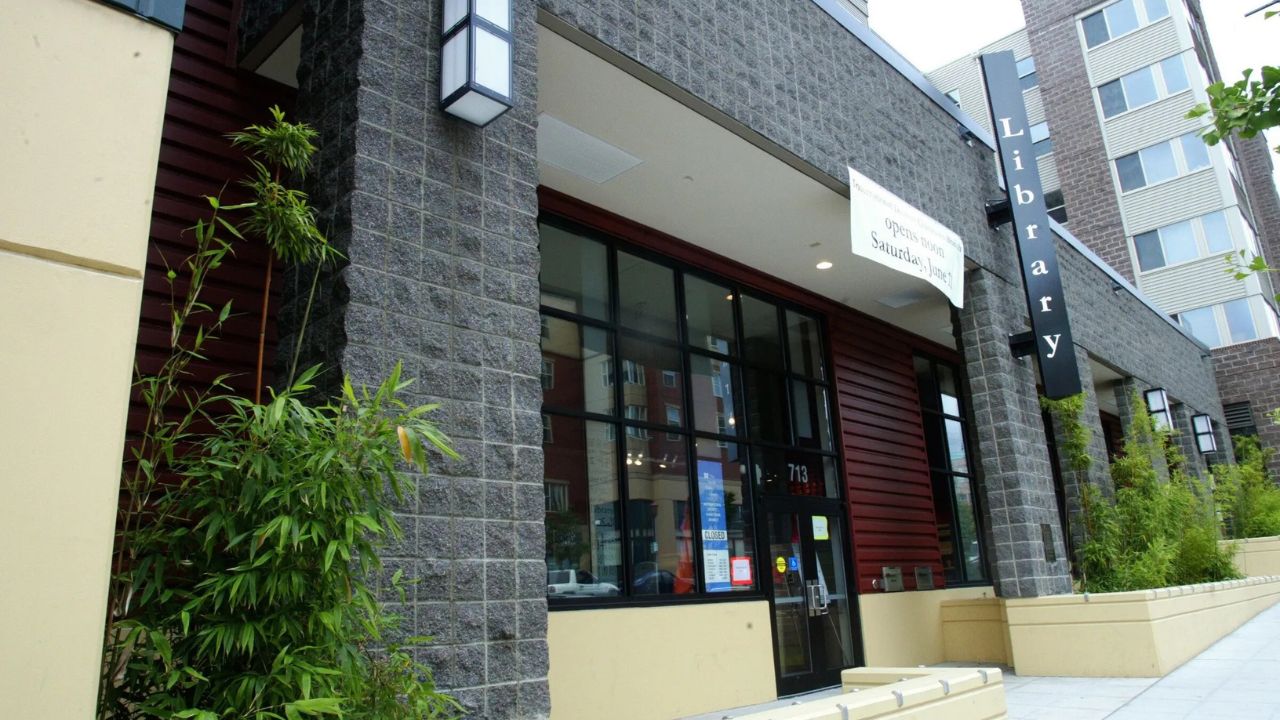
Seattle, Washington — A popular Seattle library branch remains closed indefinitely after a months-long investigation uncovered dead rodents, contaminated wall spaces, and a persistent odor that disrupted operations and left an entire neighborhood without its local library.
The Chinatown-International District branch of The Seattle Public Library has been closed since May 11 as crews continue efforts to address the issues discovered inside the building. While officials say conditions have improved significantly, residents are still waiting for news on when the branch will reopen.
Investigation Began After Staff Reported Strong Odor
According to library officials, concerns first surfaced in late March when staff began noticing a persistent and unpleasant odor inside the building.
Initial inspections prompted a broader investigation that eventually uncovered dead rodents, hidden debris, and contaminated spaces within walls and an electrical room connected to the building.
As inspectors expanded their search, additional problem areas were discovered in crawlspaces and sections near the garbage room, leading to a more extensive cleanup operation than originally anticipated.
Officials said the growing scope of the issue ultimately made it impossible for staff to continue working in the facility.
Extensive Cleanup and Repairs Carried Out
In response, crews launched a large-scale sanitation effort aimed at eliminating both the odor and the underlying causes.
The cleanup included deep cleaning, pressure washing, sanitizing, air filtration systems, odor-absorbing treatments, air fresheners, and portable air purifiers. Workers also focused on sealing openings and implementing rodent-proofing measures to prevent future infestations.
The Seattle Chinatown International District Preservation and Development Authority (PDA), which owns the property, said it has spent more than $20,000 on rodent mitigation, repairs, and sanitation efforts.
According to officials, conditions improved dramatically by early June following weeks of intensive work.
“We feel terrible that the library had to close,” said Jared Jonson, co-executive director of the Preservation and Development Authority.
Jonson added that the organization believes the issues discovered inside the building have now been addressed.
Community Feels the Loss of a Vital Resource
Despite improvements, the continued closure has left many residents frustrated.
The branch serves approximately 3,000 to 4,000 visitors every month, providing access to books, internet services, educational resources, and community gathering spaces.
For many residents, the library plays a much larger role than simply lending books.
“Library means everything,” said visitor Charlie Liu, who described the branch as one of the neighborhood’s most important places for reading, learning, and connecting with others.
The closure has effectively left the Chinatown-International District without a neighborhood library, creating challenges for students, seniors, and others who rely on its services.
Three Children Dead as Experts Renew Warnings About Dangerous Benadryl Trend
Building Deemed Safe, But Reopening Remains Uncertain
Seattle Public Library officials acknowledged the disruption and said staff experienced the odor firsthand before deciding that closure was necessary.
Library representative Darth Nielsen said employees could not continue operating once the extent of the issue became clear.
Officials now say the building is considered safe and that no current health risks have been identified within the library space. However, a reopening date has not yet been announced.
A walkthrough is scheduled for next week, during which officials will evaluate current conditions and determine what steps remain before the library can welcome visitors again.
Meanwhile, property managers noted that other parts of the building—including affordable housing units, nearby businesses, and the Chinatown-International District Community Center—have not been affected by the odor or rodent-related issues.
For residents eager to return, the hope is that the upcoming assessment will bring answers about when one of the neighborhood’s most valued community resources can finally reopen.
What do you think? Should public facilities be required to conduct more frequent inspections to prevent issues like this from disrupting community services? Share your thoughts respectfully in the comments below.