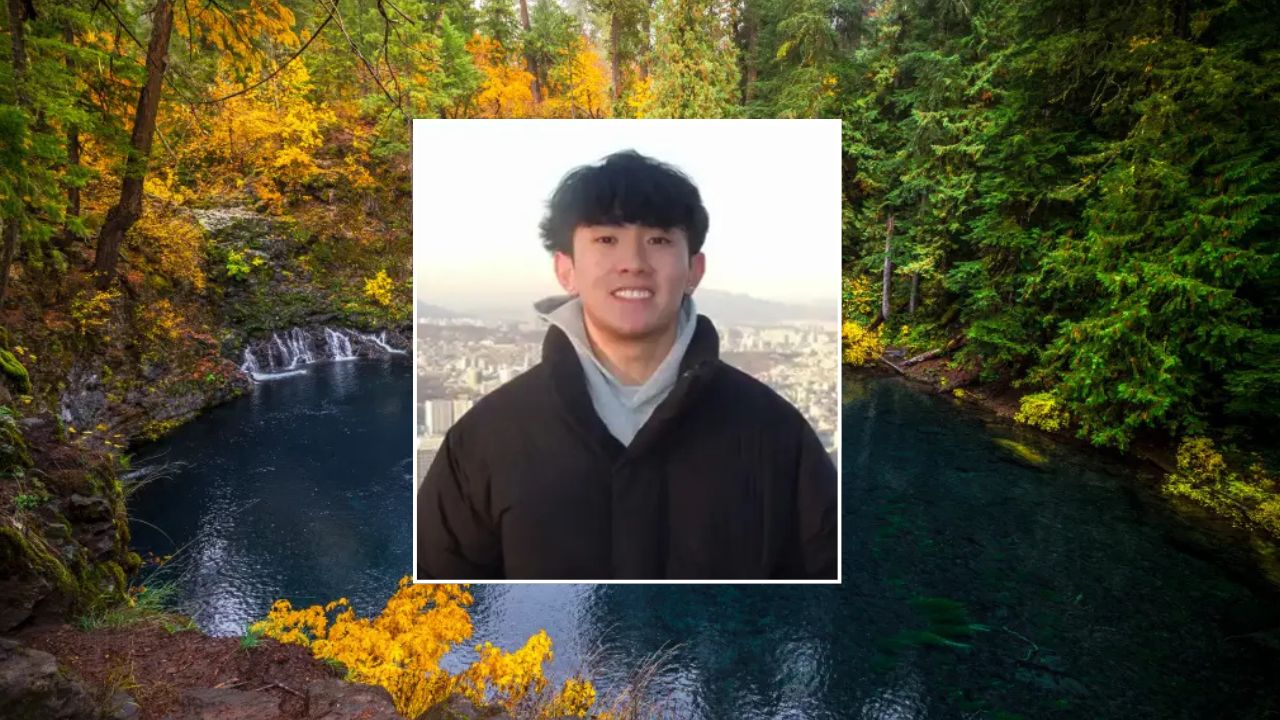
Linn County, Oregon — A Wichita State University student died after jumping into the frigid waters of one of Oregon’s most popular natural attractions, prompting authorities to renew warnings about the hidden dangers of the scenic swimming hole.
The victim, 21-year-old Kenny Truong of Wichita, Kansas, was visiting Tamolitch Falls, commonly known as Blue Pool, with friends on the evening of June 26 when the tragic incident unfolded.
Despite rescue efforts by bystanders and emergency responders, officials said the college student could not be saved.
Student Entered Frigid Water and Struggled to Reach Shore
According to the Linn County Sheriff’s Office, emergency dispatchers received a 911 call at approximately 8:47 p.m. reporting that a man had entered Blue Pool and was struggling in the water.
Witnesses told authorities that Truong attempted to swim back toward shore but soon began having difficulty.
“Witnesses describe him struggling as he swam toward shore, before submerging,” Linn County Undersheriff Micah Smith said.
People at the scene immediately tried to help while emergency crews responded to the remote recreation area. However, despite those efforts, Truong did not survive.
“Despite the best efforts of those at Tamolitch Falls who tried to help him, and the first responders who arrived in response to the 911 call, Kenny did not survive,” Smith said.
Responding agencies included the Linn County Sheriff’s Office, the Lane County Sheriff’s Office, and Upper McKenzie Rural Fire.
Popular Attraction Has a History of Deadly Incidents
Blue Pool is widely recognized for its crystal-clear turquoise water and dramatic cliffs, making it one of Oregon’s most photographed natural destinations.
However, officials warn that its beauty can be dangerously misleading.
Authorities said the water remains at approximately 37 degrees year-round, cold enough to cause cold-water shock, muscle failure, and difficulty swimming almost immediately after entering.
Cliffs surrounding the pool range from 10 to 60 feet high, while the remote location has little to no cellphone service, making emergency rescues especially challenging.
Officials noted that serious injuries at Blue Pool can require several hours before victims reach a hospital. Undersheriff Smith urged visitors to understand the risks before entering the water.
“It is also a place that has taken lives before and will take lives again if visitors do not understand what they are facing.”
University and Loved Ones Remember Kenny Truong
Wichita State University confirmed that Truong was a finance major in the W. Frank Barton School of Business and served as a member-at-large of the Cummings Student Managed Investment Fund.
Friends described him as someone who consistently encouraged and supported those around him. Family spokesperson Carter Nguyen said Truong’s kindness and generosity touched countless lives.
“Kenny was the kind of person this world doesn’t see enough of. He was genuinely, unconditionally there for the people around him not just when things were good, but especially in the darkest of times.”
Nguyen added that Truong inspired others to become the best versions of themselves and left behind a lasting legacy of compassion.
“Kenny leaves behind a legacy of love, generosity, and light.”
Florida Is Paying People to Hunt Giant Pythons — Here’s How You Can Win $10,000
Authorities Urge Visitors to Respect the Risks
Following the tragedy, the Linn County Sheriff’s Office again encouraged visitors to understand the dangers associated with Blue Pool before entering the water.
Officials recommend staying with companions, watching for signs of distress, and calling 911 immediately if someone experiences trouble in the water.
They also advise visitors to check current conditions with the McKenzie River Ranger Station before traveling to the area.
As family, friends, and classmates mourn the loss of Kenny Truong, authorities hope increased awareness will help prevent similar tragedies at one of Oregon’s most beautiful—but also most dangerous—natural attractions.
What are your thoughts on safety at popular natural swimming destinations? Do you think more warning signs or restrictions are needed at locations with known dangers? Share your thoughts respectfully in the comments below.