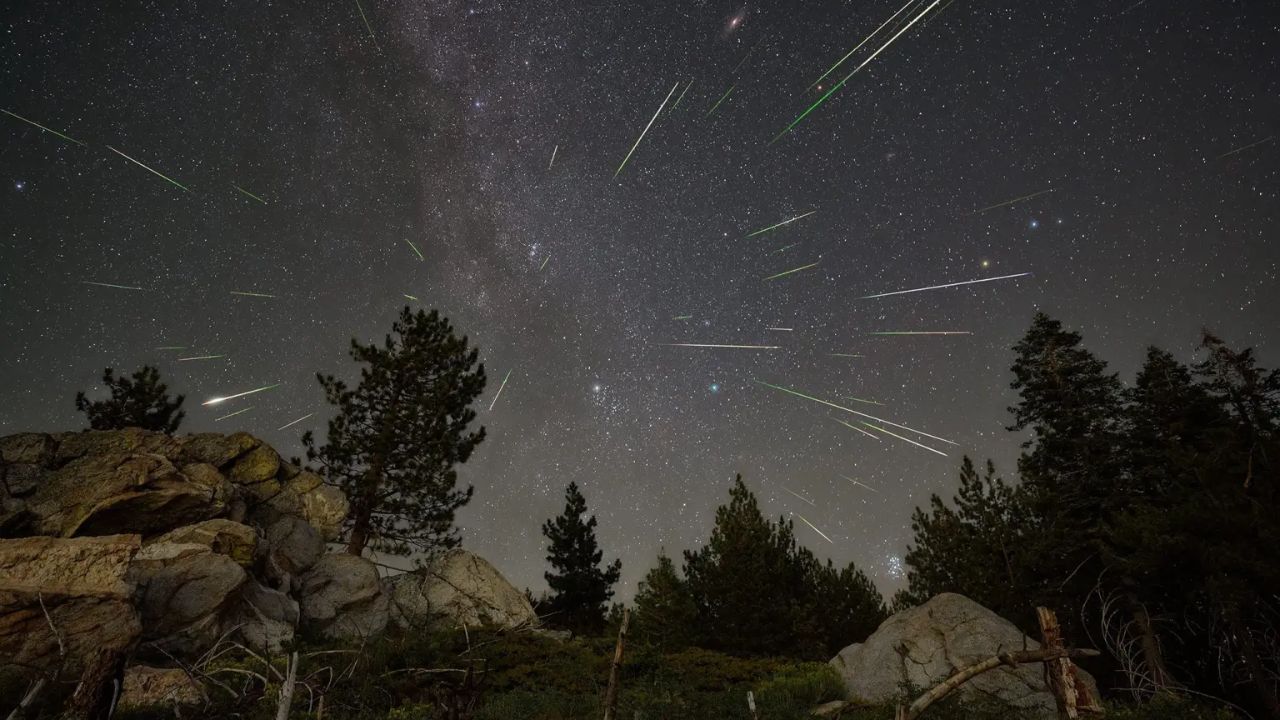
United States — Skywatchers across much of the United States are in for an unforgettable celestial display as a partial solar eclipse and the peak of the annual Perseid meteor shower arrive within hours of one another on August 12 and 13. The rare combination is expected to offer one of the most exciting nights of astronomical viewing this year, with favorable dark-sky conditions helping make the meteor shower even more spectacular.
Partial Solar Eclipse Will Begin the Celestial Show
According to NASA, the first event will be a partial solar eclipse visible from portions of the United States, with viewing conditions stretching from North Carolina to Alaska.
Unlike a total solar eclipse, this event will only cover part of the Sun, creating the appearance that the Moon has taken a small bite out of the Sun. The amount of the Sun covered will vary depending on where viewers are located.
While observers in Greenland, Iceland, and parts of Spain will experience the eclipse along its path of greatest visibility, millions across North America will also have an opportunity to witness the partial event if weather conditions cooperate.
Experts remind anyone watching the eclipse to use certified solar viewing glasses or approved solar filters, as looking directly at the Sun without proper eye protection can cause serious eye damage.
Perseid Meteor Shower Peaks Hours Later
As darkness falls, attention will shift from the Sun to one of the year’s most anticipated meteor showers — the Perseids.
The shower is expected to peak during the evening of August 12 and continue into the early morning hours of August 13, when Earth passes through the trail of debris left behind by Comet Swift-Tuttle.
According to NASA, the tiny particles of comet dust enter Earth’s atmosphere at tremendous speeds, burning up and creating the bright streaks of light commonly known as meteors or shooting stars.
Under ideal viewing conditions, observers may see between 50 and 100 meteors every hour, making the Perseids one of the most active and reliable annual meteor showers.
Fireballs Could Make the Display Even More Spectacular
One reason the Perseids are so popular is the frequent appearance of fireballs.
Fireballs are exceptionally bright meteors that shine even brighter than the planet Venus. They are produced when larger fragments of rock or comet material enter Earth’s atmosphere, creating dramatic flashes of light visible across wide areas of the sky.
These brilliant meteors often leave glowing trails that can linger for several seconds after they streak overhead.
New Moon Creates Ideal Viewing Conditions
This year’s display is expected to benefit from a new moon on August 12, meaning there will be very little moonlight to wash out the night sky.
The darker conditions should make even fainter meteors easier to spot, increasing the chances of seeing dozens of shooting stars throughout the night.
NASA recommends allowing your eyes about 20 to 30 minutes to adjust to the darkness and avoiding bright lights such as phone screens while observing.
Where to Look for the Best View
Although the meteors appear to radiate from the Perseus constellation in the northeastern sky, they can actually appear anywhere overhead.
Experts recommend finding a dark location away from city lights, lying back comfortably, and giving yourself at least an hour to enjoy the show.
With a partial solar eclipse, one of the year’s strongest meteor showers, and the possibility of dazzling fireballs, August 12 promises to be a memorable night for astronomy enthusiasts and casual skywatchers alike.
Are you planning to watch the partial solar eclipse or stay up for the Perseid meteor shower? Let us know where you’ll be viewing this spectacular sky show in the comments below.