Cloverdale, California — A magnitude 4.3 earthquake shook parts of Northern California on Tuesday evening, sending tremors through communities near Cloverdale and across portions of the Bay Area. While residents reported feeling the shaking in cities including San Francisco and San Jose, officials said there were no immediate reports of major damage or injuries.
The earthquake is the latest reminder of California’s ongoing seismic activity as the state sits along the Pacific Ring of Fire, one of the world’s most active earthquake and volcanic regions.
Magnitude 4.3 Earthquake Strikes Near Cloverdale
According to the U.S. Geological Survey (USGS), the earthquake occurred at approximately 7:40 p.m. local time.
The epicenter was located about five miles from Cloverdale, a city in Sonoma County, with the quake originating at a depth of approximately 3.4 miles beneath the surface.
Residents in nearby communities quickly reported feeling the shaking, and the USGS received reports from a wider area, including parts of San Francisco and San Jose.
Although the earthquake was moderate in strength, its relatively shallow depth likely contributed to it being felt across a broader region.
Aftershocks Follow Initial Tremor
Following the main earthquake, the USGS recorded several aftershocks in the area.
Aftershocks are common after moderate earthquakes as the Earth’s crust adjusts following the initial movement. While most aftershocks are smaller than the main event, they can sometimes be felt by nearby residents.
Officials continue monitoring seismic activity in the region, though no warnings or evacuation orders have been issued.
Emergency management agencies have not reported any disruptions to infrastructure or public services related to the earthquake.
Latest Quake Along the Pacific Ring of Fire
The earthquake is the latest event to occur along the Pacific Ring of Fire, a 25,000-mile zone surrounding much of the Pacific Ocean that is known for its frequent earthquakes and volcanic activity.
The Ring of Fire contains numerous tectonic plate boundaries where earthquakes regularly occur as plates shift and interact beneath the Earth’s surface.
California experiences thousands of earthquakes every year, although most are too small to be noticed by residents.
Colorado Residents Told to Seek Higher Ground Immediately as Flash Flood Emergency Sparks Chaos
Recent Seismic Activity Continues Worldwide
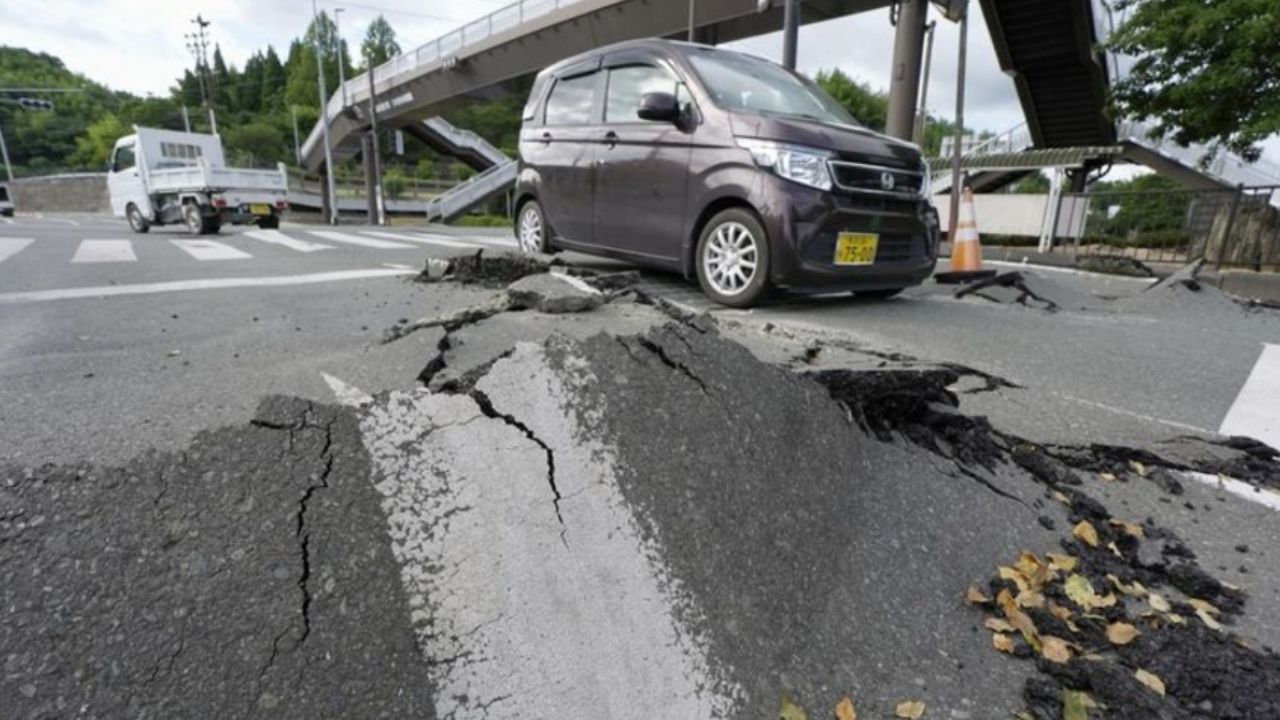
Tuesday’s earthquake came on the same day that Japan experienced a powerful series of earthquakes, including a magnitude 6.8 tremor.
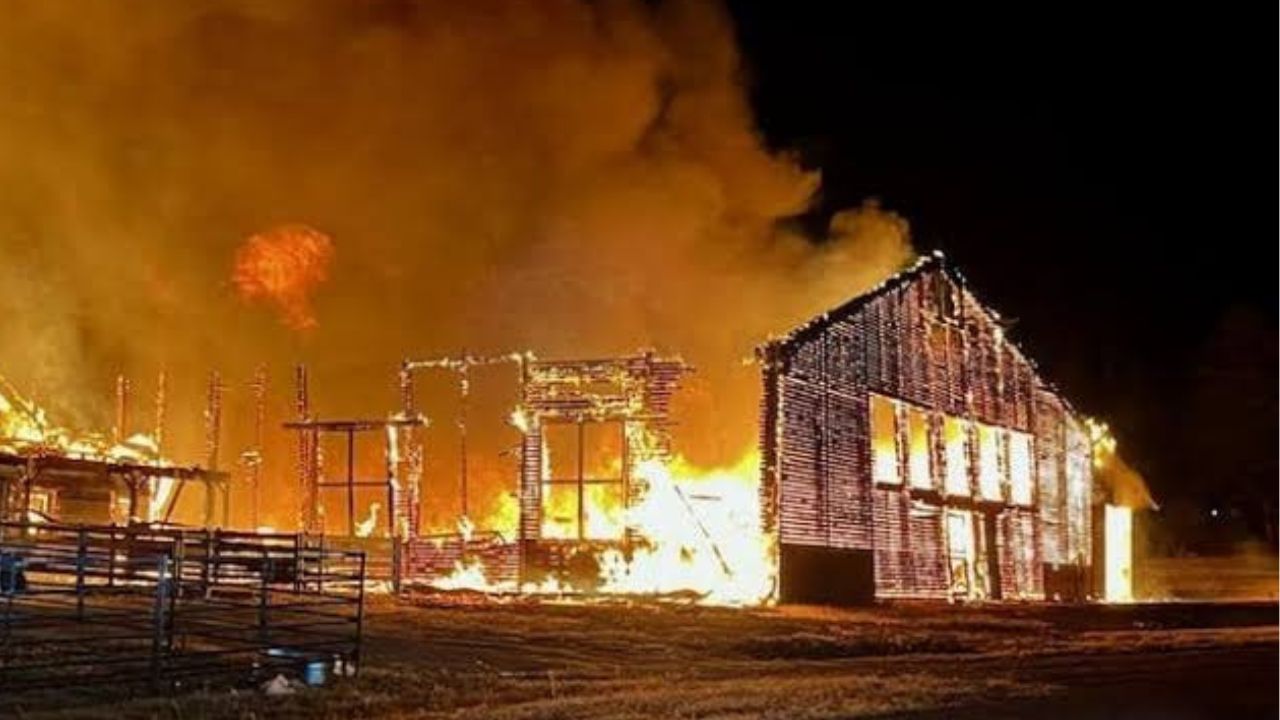
According to reports, those quakes triggered multiple fires, caused partial structural damage to a building, and prompted hundreds of emergency calls as authorities responded to the unfolding situation.
Northern California has also experienced several noticeable earthquakes in recent months.
Earlier this year, the region recorded a magnitude 4.2 earthquake in January, followed by a magnitude 3.7 quake in June, continuing a pattern of periodic seismic activity.
While Tuesday’s earthquake caused concern among residents who felt the shaking, authorities emphasized that no significant damage or injuries have been confirmed at this time.
Officials will continue monitoring the area for additional aftershocks, but there have been no indications of a larger seismic event immediately following the quake.
Did you feel Tuesday’s earthquake in Northern California? Share where you were and what your experience was like in the comments below.