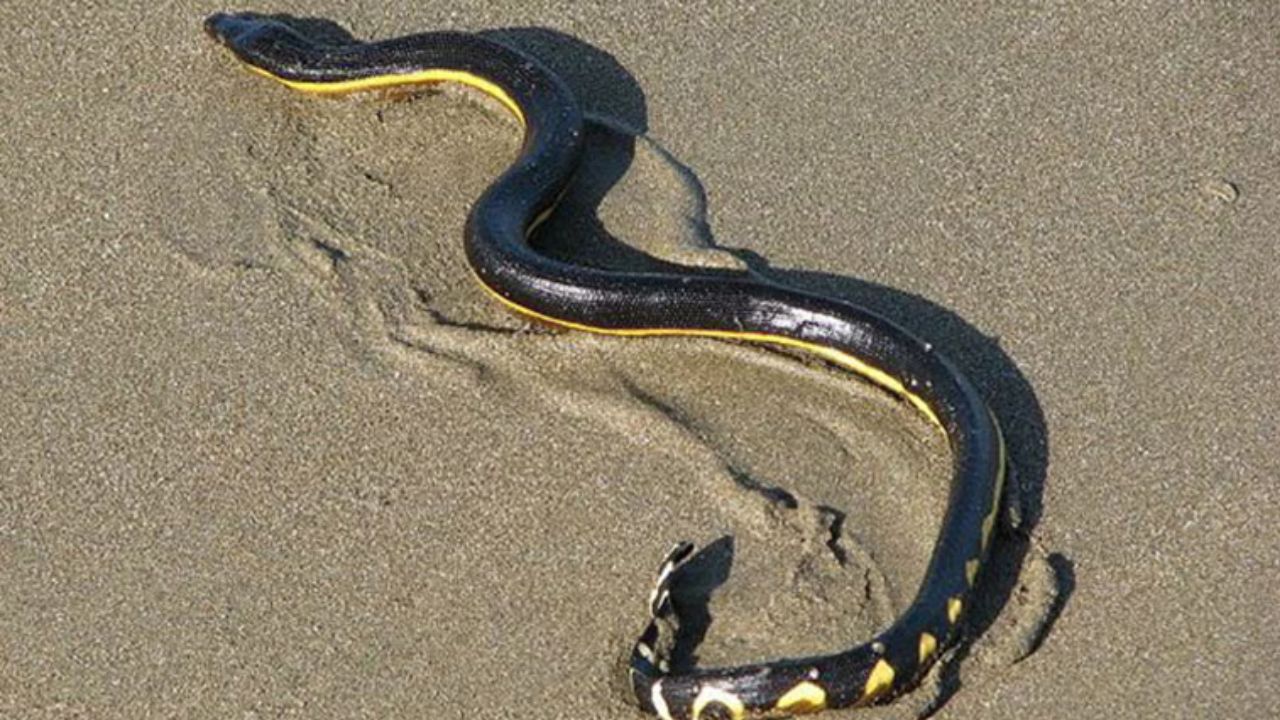
California — Warmer-than-normal ocean temperatures linked to El Niño are bringing an unusual mix of marine life to California’s coastline, with scientists reporting increased sightings of great white sharks, venomous yellow-bellied sea snakes, and other tropical species rarely seen in the state’s coastal waters.
Researchers say the changing ocean conditions are temporarily transforming parts of the Pacific into an environment that resembles tropical waters, allowing species that normally live much farther south to venture closer to California.
El Niño Is Changing California’s Marine Environment
Marine experts say El Niño, the warm phase of a naturally occurring climate pattern, is responsible for raising ocean temperatures along portions of the West Coast this year.
According to Douglas McCauley, director of the Benioff Ocean Initiative at the University of California, Santa Barbara, warmer waters are expected to attract marine life that is not typically found in California.
He said scientists anticipate seeing “all kinds of weird tropical things” moving into the region as ocean temperatures remain elevated.
Among the most noticeable changes has been an increase in great white shark sightings off the California coast.
Venomous Sea Snake Among Rare Visitors
One of the more surprising species appearing in California waters is the yellow-bellied sea snake, a highly venomous reptile that usually inhabits tropical oceans.
According to experts, the snake’s bite can be extremely dangerous if left untreated.
The Australian Museum says the species has relatively short fangs but carries highly toxic venom containing powerful neurotoxins and myotoxins, which can lead to paralysis and, in severe cases, death without prompt medical care.
Despite its venom, encounters with people remain uncommon because the species is rarely found close to shore.
Unusual Shark Sightings Have Happened Before
Scientists note that this is not the first El Niño to bring unexpected marine species into California waters.
Previous strong El Niño events have also been linked to sightings of tiger sharks, bull sharks, sea turtles, sea lions, and shifting fish populations.
During the 2015–2016 El Niño, several hammerhead shark encounters were reported along Southern California’s coastline.
In one widely reported incident near Santa Monica, kayaker Dylan Marks was bitten after a hammerhead shark approached his kayak.
His friend, Kyle Hudgins, recalled seeing the shark disappear before it unexpectedly returned and bit Marks while his foot was hanging over the side of the kayak.
Another hammerhead had reportedly been seen circling kayakers near San Diego only days earlier.
Experts Say Shark Attacks Remain Extremely Rare
Although warmer waters may increase the chances of people encountering sharks, marine experts stress that actual attacks remain exceptionally uncommon.
The California Department of Fish and Wildlife says it has documented only 236 shark-human interactions since 1950.
By comparison, California’s beaches receive more than 120 million visits each year, highlighting how infrequent such encounters are.
Researchers say climate-driven shifts are changing where predators and their prey travel, occasionally bringing them closer to popular beaches without significantly increasing the overall risk to swimmers.
Scientists Continue Monitoring Ocean Changes
Researchers say similar changes are also being observed in parts of the Atlantic Ocean, although the Pacific Ocean’s enormous size allows for even greater movement of marine species during major climate events.
As long as ocean temperatures remain unusually warm, experts expect California residents and visitors may continue seeing tropical wildlife that normally wouldn’t be found along the state’s coastline.
Scientists say these temporary shifts offer a reminder of how changing ocean conditions can reshape marine ecosystems, even if only for a single season.
Have you ever spotted unusual marine wildlife while visiting a California beach? Do you think warming oceans will make these sightings more common in the future? Share your thoughts in the comments below.