Tallahassee, Florida — What began as an effort by one couple to prevent a piece of natural land from being developed has turned into a remarkable wildlife success story. Jim Stevenson and Tara Tanaka purchased a 45-acre swamp outside Tallahassee in 2007, hoping to preserve the habitat and protect the animals that depended on it.
Nearly two decades later, the property has become a thriving conservation area, providing shelter and nesting habitat for hundreds of birds and a wide range of wildlife.
A Swamp Bought to Prevent Development
Stevenson and Tanaka were living near Tallahassee when they decided to purchase the swamp, according to the U.S. Fish & Wildlife Service. Their goal was straightforward: keep the land from being developed and preserve its natural ecosystem.
Their commitment to conservation continued in 2016, when the couple obtained a conservation easement through the Apalachee Land Conservancy.
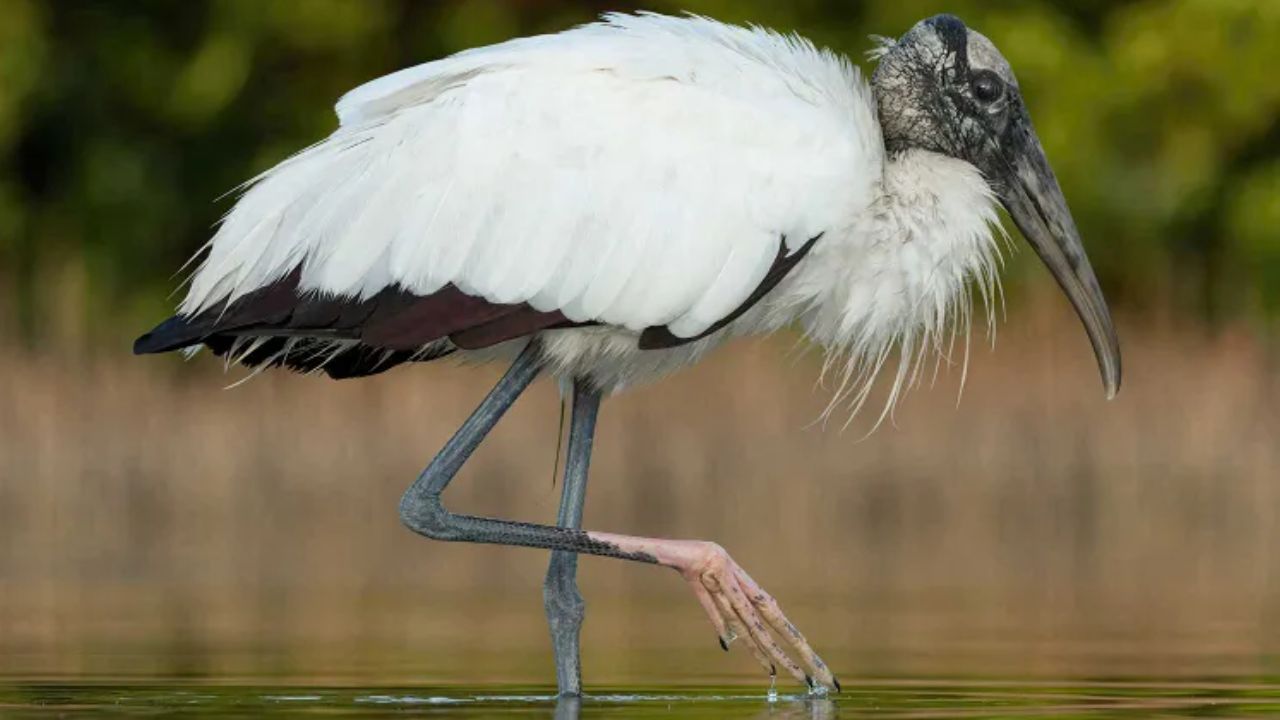
The protected property has since become an important refuge for wildlife. Among its most notable residents are wood storks, a species that once faced serious threats from habitat loss.
275 Wood Storks Found Nesting on the Property
In 2022, the U.S. Fish & Wildlife Service reported that 275 nesting wood storks were present on the property.
The birds share the swamp with blue herons, great egrets, green herons, anhingas and wood ducks. The land also supports mammals and reptiles including bobcats, raccoons, foxes, otters, beavers, coyotes, rabbits and alligators.
The abundance of wildlife demonstrates what can happen when natural habitat is protected rather than converted for development.
WFSU previously highlighted the property in 2019, describing the impressive concentration of wood stork nests among its cypress trees.
The birds typically nest in colonies, with multiple nests appearing throughout the trees. Each nest can contain two or three chicks on average, creating an especially active scene during nesting season.
Wood Storks Make a Remarkable Recovery
The success of the wood storks on the property is particularly meaningful because the species once faced a much more uncertain future.
Wood storks were classified as endangered in 1984, largely because of habitat loss. In 2014, their status improved from endangered to threatened as their population recovered.
The species eventually achieved another major milestone when it was removed from the federal endangered and threatened species list following continued population growth.
The Fish & Wildlife Service reported that there are now approximately 10,000 to 14,000 nesting pairs across about 100 colony sites. Wood storks are native to North America and can be found across parts of Florida, Georgia, South Carolina and North Carolina.
The birds have also adapted to new nesting environments, including coastal salt marshes, flooded rice fields, floodplain forests and wetlands created by humans.
Couple Warns That Conservation Can’t Wait
Stevenson, a retired biologist, and Tanaka, a naturalist photographer, have spent years emphasizing the importance of protecting natural habitats.
12-Year-Old Texas Boy Suffered Skull Fracture After Taking Off Helmet on E-Scooter, Mom Says
In a 2021 interview, Stevenson bluntly identified human activity as one of the greatest threats to the environment.
“The problem is people,” he said, pointing to pollution, excessive lawn fertilization, septic systems and declining water flow as dangers to natural ecosystems.
Tanaka has used her multimedia work to document species that could face threats in the future.
“I think in my lifetime, there will be the extinction of many,” she said.
For Stevenson, however, conservation also represents an opportunity. He encouraged people to pursue careers involving land conservation, fire management, waterways, invasive species control and wildlife protection.
Their 45-acre swamp offers a powerful example of that philosophy in action: protecting one piece of land can give an entire ecosystem a chance to flourish.
What do you think about the couple’s decision to protect this land instead of allowing it to be developed? Share your thoughts in the comments below.