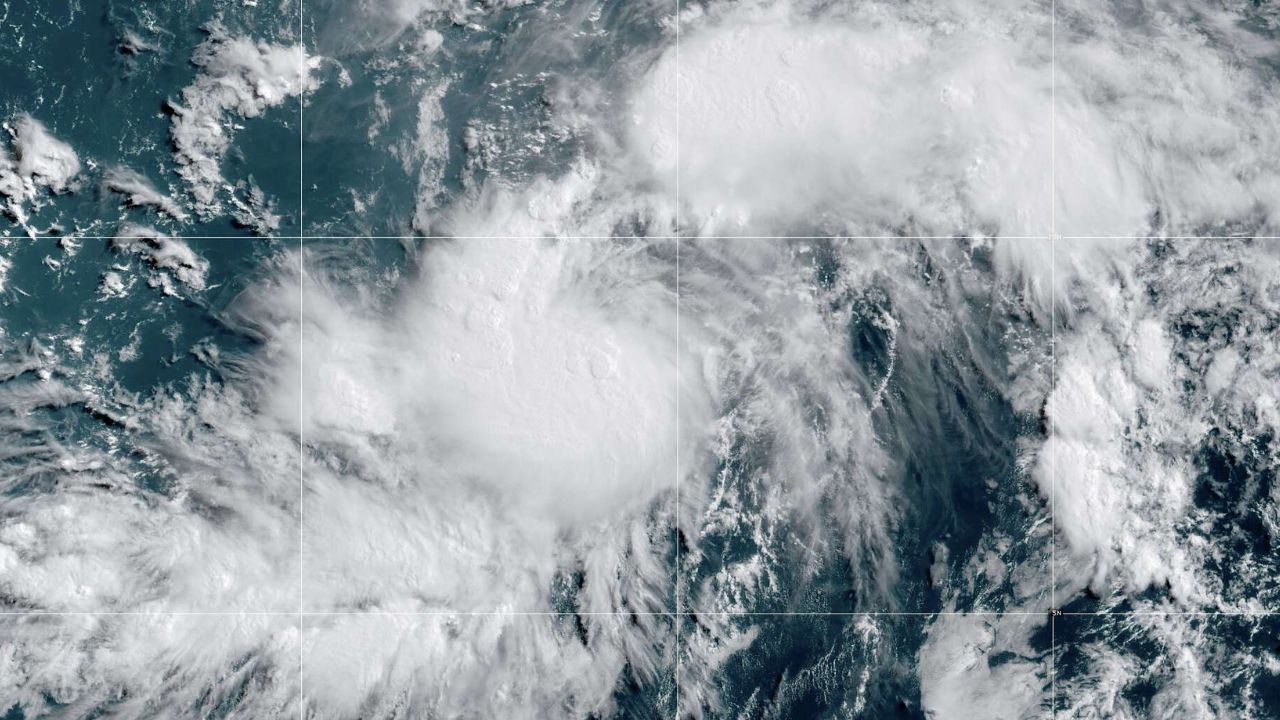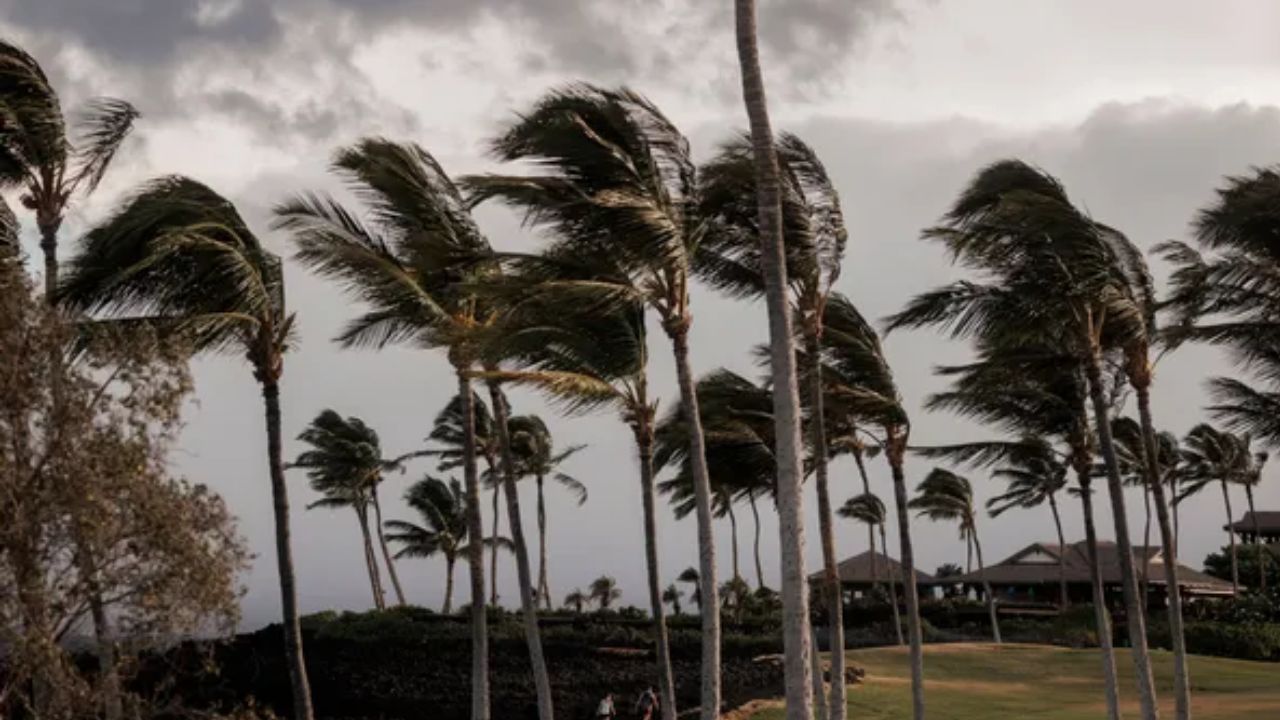
Hawaii – Hawaii is battling heavy rain, damaging winds and dangerous flooding as Tropical Storm Lala moves through the islands. But high above the tropical weather at sea level, residents and meteorologists are witnessing something that may seem completely out of place — snow.
While people across Hawaii prepare for the storm’s strongest impacts, meteorologists have highlighted snowfall occurring on the summit of Mauna Kea, one of the state’s most prominent volcanic mountains.
The unusual combination of a tropical storm below and winter-like conditions above is being driven largely by the mountain’s extreme elevation.
Snow Falls Nearly 14,000 Feet Above Sea Level
Snow on Hawaii may sound surprising, but snowfall on Mauna Kea is not unusual, particularly during colder conditions at the summit.
Mauna Kea rises to nearly 13,800 feet above sea level, putting its summit far above the warm, tropical conditions experienced along Hawaii’s coastline.
While temperatures near sea level remain in the upper 70s, the atmosphere becomes dramatically colder with increasing elevation.
Meteorologists noted that a recent balloon launch showed the air temperature decreasing by approximately 5.5 degrees Celsius for every kilometer of elevation gained.
That dramatic temperature difference means conditions at the summit can fall near or below freezing, creating an environment where snow is possible even as warm, tropical air dominates the lower elevations.
Tropical Storm Moisture Helps Produce Snow
As Tropical Storm Lala moved near the Big Island, the system brought tremendous amounts of moisture into the region. Some parts of the island received feet of rainfall, creating dangerous flooding and adding to the storm’s overall impact.
At Mauna Kea’s summit, however, the combination of abundant moisture and freezing temperatures produced a very different result.
Instead of falling entirely as rain, precipitation at the highest elevations was able to fall as snow, creating a striking contrast with the tropical storm conditions occurring below.
The summit itself is not experiencing the same torrential rainfall seen at lower elevations, but that does not mean conditions there are safe.
Mauna Kea Faces Extreme Wind and Snow
The weather at the summit has been particularly harsh.
Wind gusts exceeding 100 mph have been reported in the area as Tropical Storm Lala affects the Big Island.
Those powerful winds, combined with heavy precipitation and freezing temperatures, have contributed to thick snow accumulating at the summit.
The dangerous conditions highlight how dramatically weather can change across Hawaii depending on elevation. While residents near the coast may be dealing with flooding rain and strong tropical-storm winds, conditions thousands of feet higher can resemble a winter storm.
Snow Expected to Fade as Lala Weakens
The snowy scene on Mauna Kea is not expected to last indefinitely.
As Tropical Storm Lala weakens throughout the day, the moisture and atmospheric conditions supporting snowfall should gradually diminish.
Snowfall at the summit is therefore expected to subside as the storm’s influence decreases.
Still, the unusual weather event serves as a reminder of just how diverse Hawaii’s climate can be. Tropical conditions can exist at the coastline while freezing temperatures and snow occur nearly 14,000 feet above sea level.
For now, residents across Hawaii remain focused on the storm’s more serious threats, including heavy rainfall, flooding and damaging winds, while Mauna Kea experiences its own remarkable tropical-storm surprise.
Were you surprised to see snow falling in Hawaii during a tropical storm? Share your thoughts in the comments below.