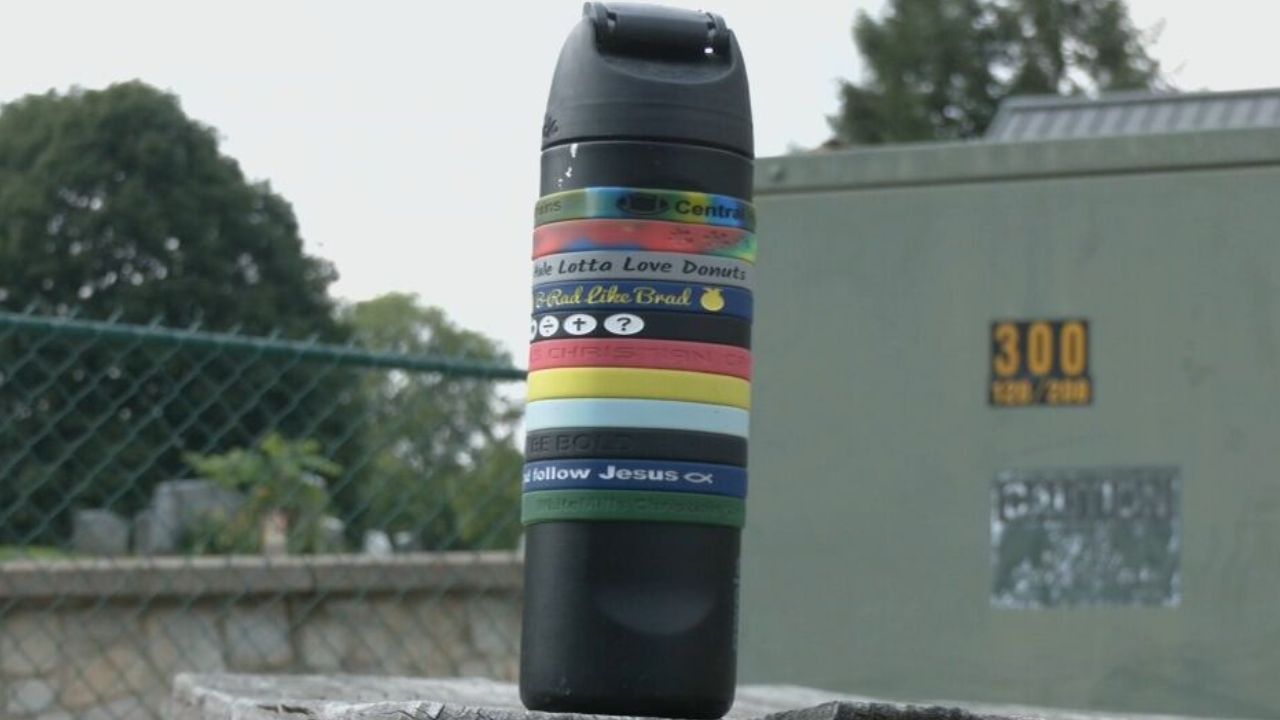
Howell Township, New Jersey — A New Jersey school district is facing pushback from parents after announcing that students will no longer be allowed to bring metal or glass water bottles, tumblers or cups to school beginning with the 2026–2027 academic year.
Howell Township Public Schools notified families of the new policy in a letter sent Wednesday, saying the change was made as an additional safety measure.
The district said rigid and heavy containers can become dangerous if they are used during student altercations.
District Says Bottles Could Become Weapons
In the letter signed by Board of Education President Jennifer Okerson and Superintendent Joseph Isola, school officials explained why the containers are being prohibited.
“Metal and glass bottles, tumblers, and cups are rigid, heavy objects that can cause significant injury if thrown, swung, or used during a student altercation,” the district said.
Officials also pointed to previous incidents involving similar containers.
“Incidents involving these types of containers have resulted in safety concerns and injuries,” the letter stated, adding that the new rule is intended to provide additional protection for students and staff.
Under the policy, students who are found carrying prohibited bottles may have them confiscated.
The district warned that a student with one of the banned containers “will be required to turn it in to the school office,” and a parent or guardian could be required to collect it.
Parents Push Back Over Plastic Concerns
The new rule has not been welcomed by every family.
Parent Christine Bastardi launched a Change.org petition titled “Reinstate metal and glass water bottles in Howell Township schools.” The petition had already gathered more than 1,000 signatures.
Bastardi argued that many families deliberately choose reusable metal or glass bottles because they believe they are better for both health and the environment.
“Our family, like many others, has chosen metal and glass water bottles for the health and environmental benefits they provide,” Bastardi wrote.
She also raised concerns about potential chemical exposure from some plastic containers, pointing to BPA, or Bisphenol A, and arguing that families should not be forced to switch to plastic alternatives.
Environmental Impact Becomes Part of Debate
The dispute is also about sustainability.
Bastardi argued that reusable metal and glass containers can help families reduce waste and their environmental footprint because they are durable and can be used repeatedly.
She criticized the reliance on plastic, saying discarded plastic bottles contribute to pollution and can eventually end up in landfills or waterways.
“Metal and glass bottles are reusable and durable, making them a preferred choice for reducing our carbon footprint,” she wrote in the petition.
Philadelphia Woman, 61, Gunned Down on Porch After Long Day Working on New Food Truck, Police Say
Her argument has added an environmental dimension to what began as a school safety policy debate.
Parent Suggests Alternative Safety Measures
Rather than banning the bottles entirely, Bastardi proposed that the district consider specific safety standards and checks. She suggested that schools could verify whether metal and glass bottles meet approved requirements before allowing them on campus.
Bastardi also suggested educational programs focused on sustainability as another way schools could encourage students to make environmentally responsible choices.
Howell Township Public Schools serves 12 schools covering students from pre-kindergarten through eighth grade, meaning the new policy could affect a large number of families across the district.
The controversy now puts school safety concerns against parents’ preferences regarding reusable containers, health considerations and environmental sustainability.
For the upcoming school year, students and families will have to determine which bottles comply with the district’s rules while parents continue debating whether the ban is an appropriate response to student safety concerns.
Do you think schools should ban metal and glass water bottles for safety reasons, or should students be allowed to use them under specific rules? Share your thoughts in the comments below.