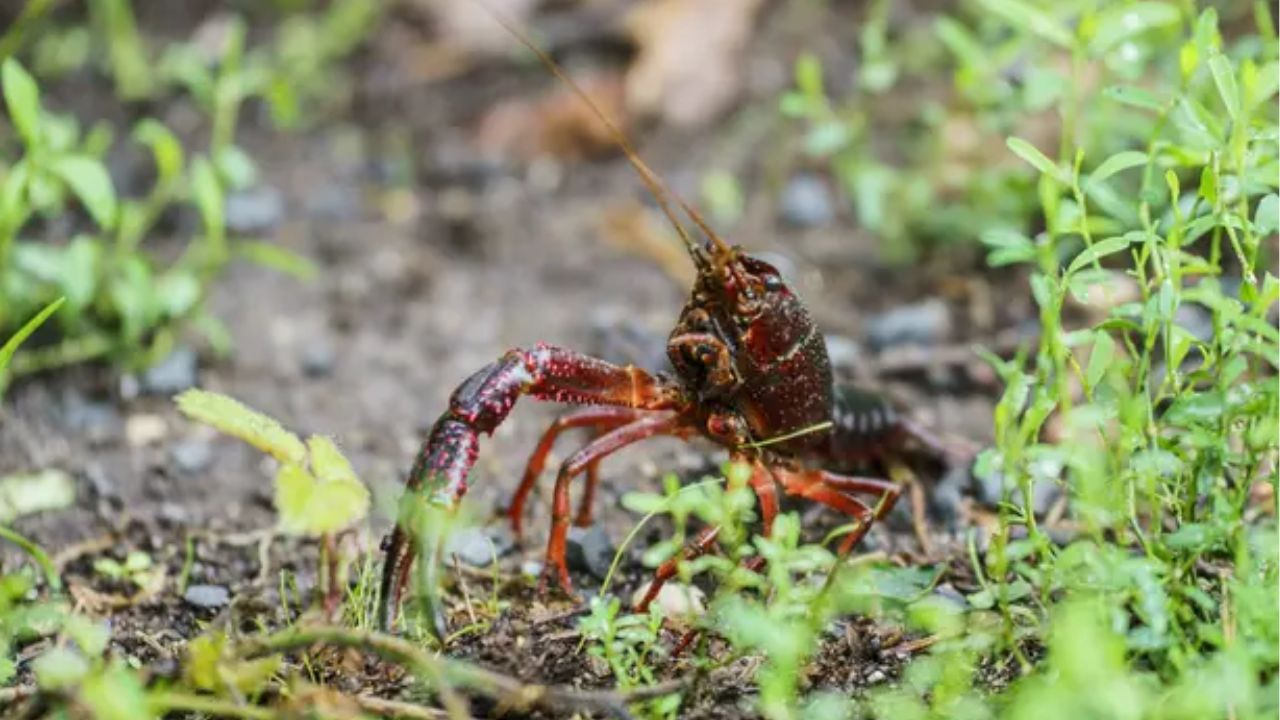
Lake Tahoe, California — Millions of people visit lakes across the United States as summer winds down, but beneath the clear waters of some of the country’s most popular destinations, an invasive species is quietly transforming aquatic ecosystems.
Invasive crayfish, also known as crawfish, have established populations in numerous U.S. waterways and are increasingly becoming a concern for wildlife officials and scientists.
One of the clearest examples is Lake Tahoe, where invasive signal crayfish have multiplied dramatically over the decades. Estimates suggest the population has grown from roughly 56 million in the 1960s to between 240 million and 280 million today.
That explosion has prompted researchers to study how the animals are affecting the lake’s delicate food web and shoreline environment.
Invasive Crayfish Are Spreading Across America
Lake Tahoe is far from the only major body of water dealing with invasive crayfish.
Reports have documented invasive populations in lakes including Lake of the Woods, Crater Lake, Lake Mead and Lake Michigan.
Several crayfish species can become invasive when they are moved beyond the ecosystems where they naturally occur. Among the most concerning species are signal crayfish and rusty crayfish.
Although these animals are native to certain parts of the United States, their introduction into unfamiliar environments can create serious ecological problems.
Their spread has often been connected to human activity, including releasing unused fishing bait, dumping aquarium animals, aquaculture and intentional introductions.
How Crayfish Can Change an Entire Ecosystem
The danger posed by invasive crayfish goes far beyond their numbers. Scientists describe invasive crayfish as capable of acting as predators, herbivores, competitors and ecosystem engineers.
They can consume aquatic plants and other organisms, compete with native species for food and shelter, and physically disturb the bottom of lakes while searching for food.
In Lake Tahoe, signal crayfish feed on aquatic vegetation, algae and other organisms, potentially altering relationships throughout the lake’s food web.
Researchers have been examining whether the growing crayfish population is contributing to changes involving algae and native invertebrate communities.
Great Lakes Face Rusty Crayfish Invasion
The Great Lakes region provides another example of how an invasive crayfish can spread well beyond its original range.
Rusty crayfish, which are native to the Ohio River Basin, have expanded throughout much of the Great Lakes area.
They can compete directly with native crayfish for food and shelter, putting additional pressure on species that evolved within those ecosystems.
Rusty crayfish are also known for consuming substantial quantities of aquatic vegetation.
When that vegetation disappears, fish and other wildlife can lose important habitat, potentially creating effects that extend throughout the broader aquatic ecosystem.
Human Activity Helps Fuel the Spread
Experts say one of the biggest challenges is preventing crayfish from being moved into new waterways.
Signal crayfish were introduced into Lake Tahoe in the late 1800s, reportedly in part as a food source for stocked trout and for human consumption.
Today, wildlife officials are increasingly focused on stopping similar introductions before invasive populations become established.
States and wildlife agencies have implemented measures that can include restrictions on possession and transportation, rules governing crayfish as fishing bait, and targeted trapping and removal programs.
The goal is often to prevent new populations from appearing while reducing numbers in areas where control remains possible.
Eradication Is Extremely Difficult
Once invasive crayfish become firmly established in a large lake, completely removing them becomes a much more complicated challenge.
Their ability to reproduce, spread and adapt to local conditions can make total eradication extremely difficult, if not unrealistic, particularly across large bodies of water.
That leaves wildlife managers with a long-term battle focused on limiting their numbers and reducing their ecological impact.
For lake visitors, the invasion may remain largely invisible. But beneath the surface, millions of crayfish can be competing with native wildlife, eating vegetation and reshaping the physical environment.
As scientists continue studying their impact, preventing the spread of invasive crayfish may be one of the most effective ways to protect vulnerable U.S. lakes before populations become impossible to control.
Have you ever seen invasive crayfish while visiting a U.S. lake? Do you think more states should impose stricter rules on transporting and using them as bait? Share your thoughts in the comments below.