Florida and Texas — Nearly 30,000 pounds of raw beef imported from Argentina has been recalled after federal food safety officials discovered that the products entered the United States without undergoing a required import reinspection.
The recall affects beef distributed to Florida and Texas, and federal officials are urging consumers to check their refrigerators and freezers for the affected products before eating them. The USDA’s Food Safety and Inspection Service, or FSIS, classified the recall as Class I, its most serious category.
Nearly 30,000 Pounds of Beef Recalled
Florida-based Corte Argentino USA LLC is recalling approximately 29,628 pounds of raw beef products that were imported from Argentina.
The products were produced between May 15 and May 20, 2026, and were distributed through retailers and distributors in Florida and Texas.
The issue was not that inspectors had already confirmed contamination in the meat. Instead, the products entered the United States without undergoing the required FSIS import reinspection.
That inspection process is designed to verify important information including documentation, labeling, country of origin and the overall condition and safety of imported meat. Federal officials discovered the problem during routine FSIS inspection activities.
Why the USDA Classified It as High Risk
The recall carries a Class I classification, meaning the USDA considers there to be a reasonable probability that consuming the affected product could cause serious adverse health consequences or death.
That classification makes the recall particularly important for consumers who may have purchased or stored the beef.
However, officials said there have been no confirmed reports of illnesses or injuries linked to the recalled products at this time.
The absence of reported illnesses does not mean consumers should continue eating the products. Federal officials are advising people who find matching products to throw them away or return them to the place of purchase.
Which Beef Products Are Affected?
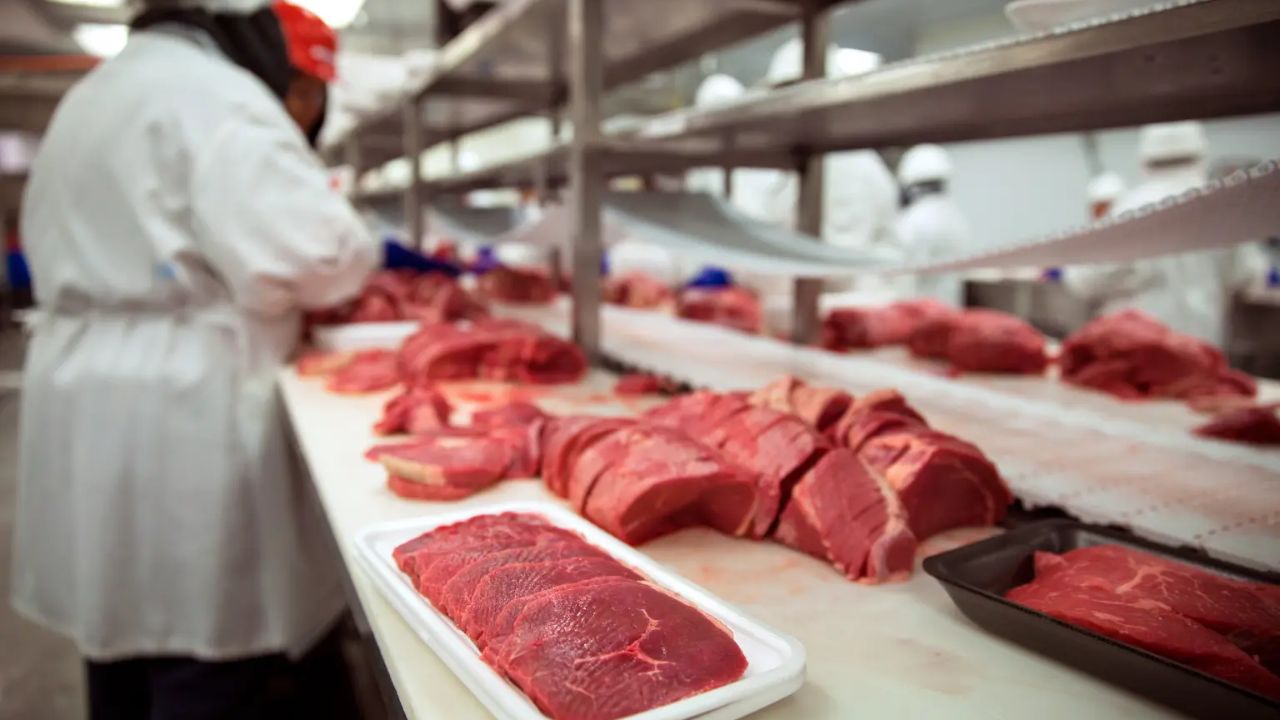
The recalled products are various-weight cardboard boxes containing boneless beef from Frigorifico Gorina SAIC.
The affected cuts include:
- Top Sirloin Butt (“Cuadril Sin Tapa”)
- Eye Round (“Peceto”)
- Topside Cap Off (“Nalga AD S/Tapa”)
- Flat (“Carnaza Cuadrada”)
- Knuckle (“Bola de Lomo”)
Consumers should check the packaging carefully because the products may have different weights and packaging configurations. The recalled beef should have the Argentinian establishment number “EST. N° OF. 2025” and shipping mark “26644-AA.”
The products also carry use or freeze-by dates from September 15 through September 20, 2026.
What Consumers Should Do With the Beef
Anyone who finds beef matching the recall information should not eat it, even if it looks or smells normal. Consumers can either discard the meat or return it to the store where it was purchased for a refund.
People who believe they may have become ill after consuming the recalled product should contact a healthcare provider. The company has also provided a contact number and email address for questions about the recall.
Company Known for Argentine Angus Beef
Corte Argentino specializes in Argentine Angus beef sourced from Frigorifico Gorina and supplies meat to restaurants, hotels, caterers and other food-service businesses.
The company has described its beef as a premium product known for its flavor and tenderness.
Frigorifico Gorina is an Argentine beef processing and exporting company based in the Buenos Aires area. According to information provided by the company, its cattle are raised for approximately 18 to 24 months, with grain feeding during the final months before slaughter.
Despite the premium positioning of the products, the current recall is focused on the required import reinspection issue, and consumers in Florida and Texas should carefully check their beef supplies for the affected identification marks and dates.
Do you check your refrigerator and freezer whenever a major food recall is announced? Have you ever had to throw away food because of a recall? Share your thoughts in the comments below.