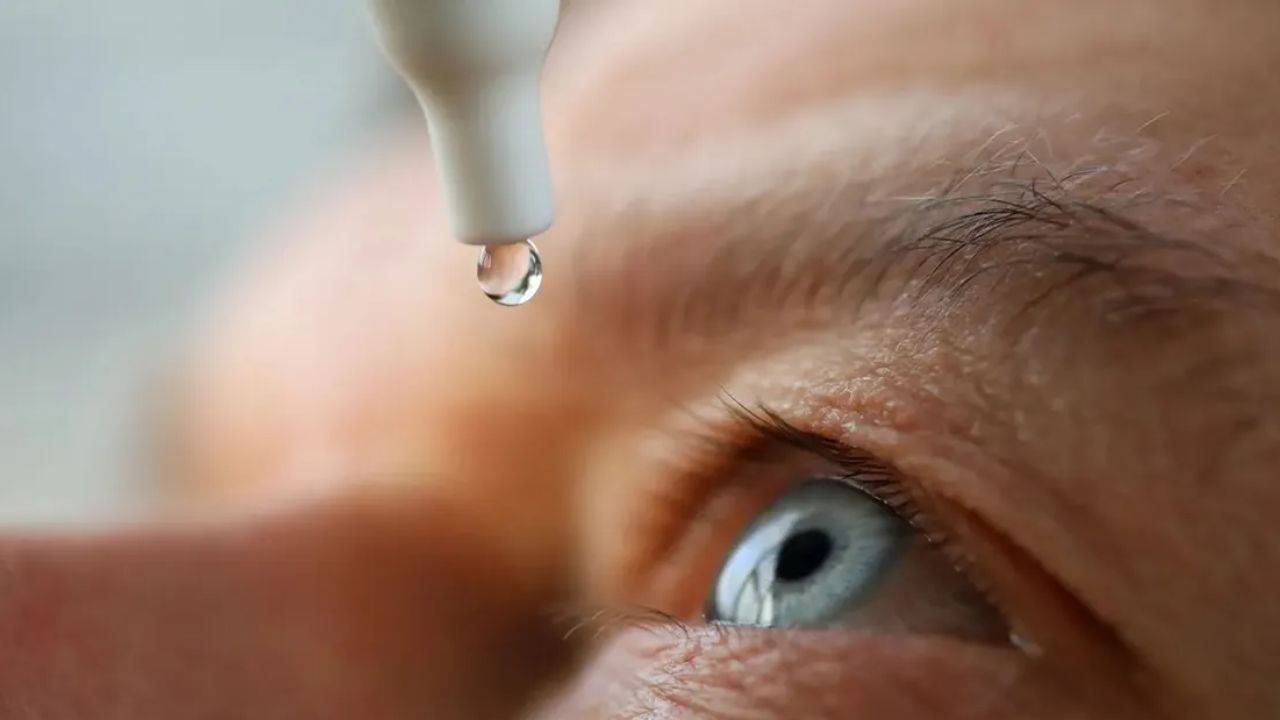
Washington, D.C. — Millions of Americans are being urged to check their medicine cabinets immediately after a nationwide recall was issued for several popular eye drop products.
Federal regulators say nearly 12 million bottles of Rohto Cooling Eye Drops have been pulled from the market because the manufacturer cannot guarantee the products are sterile, raising concerns about potential contamination.
The recall affects products sold across the United States and includes several eye drops commonly used to relieve redness, dryness, irritation, and eye strain.
Nearly 12 Million Bottles Included in Recall
According to the U.S. Food and Drug Administration (FDA), the voluntary recall involves 11,960,623 cartons of Rohto Cooling Eye Drops.
The products were manufactured by Rohto-Mentholatum in Vietnam and distributed in the United States by The Mentholatum Company, based in Orchard Park, New York.
Federal regulators said the recall was initiated because of a “lack of assurance of sterility,” meaning the eye drops cannot be confirmed to be free from potentially harmful microorganisms.
While no widespread injuries have been announced in connection with the recall, the FDA advises consumers not to continue using affected products.
FDA Classifies Recall as Class II
The FDA has designated the action as a Class II recall.
This classification means use of the affected products could result in temporary or medically reversible health problems, although the likelihood of severe or life-threatening consequences is considered low.
Even so, health officials recommend discontinuing use immediately because sterile eye products are expected to meet strict safety standards.
Which Rohto Eye Drops Are Affected?
The recall includes eight Rohto Cooling Eye Drops products, sold in both single-pack and twin-pack configurations.
- Rohto ALL-IN-ONE
- Rohto Max Strength
- Rohto Optic Glow
- Rohto Digi Eye
- Rohto Dry Aid
- Rohto Cool Relief
- Additional qualifying single and twin-pack configurations listed in the manufacturer’s recall notice.
The affected eye drops carry expiration dates ranging from July 2025 through February 2029.
Consumers should check both the lot number and expiration date on their packaging and compare them with the manufacturer’s recall notice or the FDA’s published recall information to determine whether their product is included.
What Consumers Should Do Next
Anyone who has one of the recalled eye drops is advised to stop using it immediately.
Consumers should either dispose of the product safely or return it to the retailer where it was purchased to receive a full refund.
Those who experience unusual eye irritation, pain, redness, vision changes, or other concerning symptoms after using the product should contact a healthcare provider promptly.
Latest in a Series of FDA Product Recalls
The Rohto recall follows several recent FDA enforcement actions involving healthcare products.
Recently, regulators classified the recall of more than 2.5 million bottles of prednisolone acetate ophthalmic suspension as a Class II recall after foreign material was discovered in certain lots.
The FDA also announced a recall of certain lots of generic cetirizine hydrochloride tablets, commonly sold as generic versions of Zyrtec, after concerns they may have been cross-contaminated with another medication that could potentially cause serious allergic reactions.
The latest recall serves as another reminder for consumers to regularly review FDA safety alerts and verify whether medications or healthcare products in their homes have been affected by recalls.
Have you ever checked your medications after an FDA recall notice? What steps do you take to stay informed about product safety alerts? Share your thoughts in the comments below.