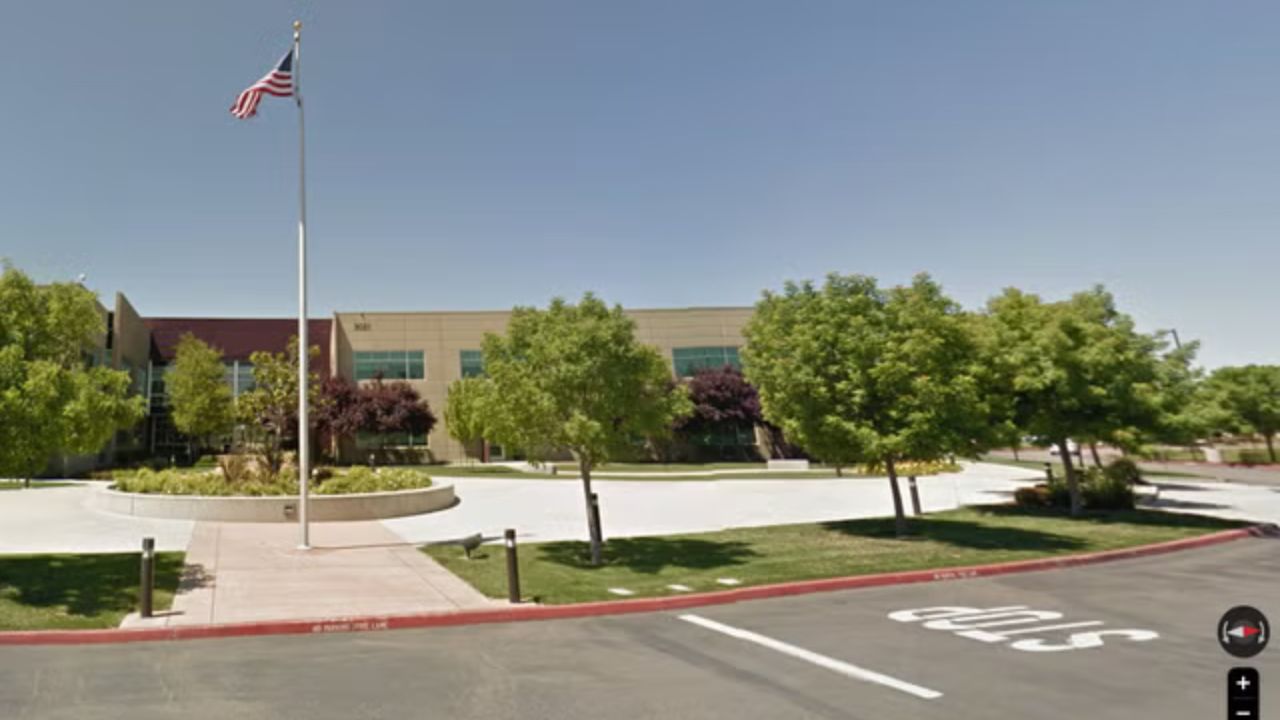
Lodi, California — A California state office building is undergoing water system cleaning and disinfection after officials confirmed the presence of Legionella, a waterborne bacterium that can cause a severe form of pneumonia known as Legionnaires’ disease.
The discovery comes less than a month after Governor Gavin Newsom’s return-to-office mandate required many state employees to resume in-person work beginning July 1, prompting renewed concerns about workplace safety.
The affected building houses the California Department of Industrial Relations (DIR) and remains open while remediation efforts continue.
Legionella Found in Building’s Water System
According to state officials, testing detected Legionella bacteria within the building’s plumbing system.
The property, which is privately leased, has been notified of the contamination, and the Department of Industrial Relations says it is working with property management to complete the necessary corrective actions.
A department spokesperson said officials are coordinating with building management as crews disinfect and clean the plumbing system.
In addition, the department said it is monitoring other state buildings with previous Legionella contamination to help ensure they remain safe for employees.
What Is Legionella?
According to public health officials, Legionella naturally exists in freshwater environments such as lakes and rivers but can also grow in human-made water systems, including pipes, hot water tanks, shower heads and air-conditioning systems.
In some cases, exposure to the bacteria can lead to Legionnaires’ disease, a potentially serious lung infection.
Symptoms may include:
- Cough
- Fever
- Muscle aches
- Headache
- Shortness of breath
- In some cases, confusion, nausea or diarrhea
Health experts say the illness is not usually spread from person to person and can generally be treated successfully with antibiotics when diagnosed promptly.
Union Raises Workplace Safety Concerns
The detection of Legionella has drawn attention because it occurred soon after California’s statewide return-to-office policy took effect.
The Service Employees International Union (SEIU) Local 1000, which represents state workers, said employees should not be required to return to workplaces that may pose health risks.
“If the State is going to force workers back into the office, it has a responsibility to make those workplaces safe,” the union said. “State workers deserve fair pay, affordable healthcare, telework that works and workplaces free from hazards.”
The union has continued urging state officials to prioritize employee health and workplace safety as more workers return to government offices.
Similar Legionella Cases Reported Elsewhere
The California government building is not the only location recently dealing with Legionella contamination.
Health officials have also reported the bacteria at Kaiser Permanente Santa Clara Medical Center, where at least 18 people were infected.
Meanwhile, authorities in New York City recently identified a Legionella outbreak affecting 76 buildings on the Upper East Side, including the Metropolitan Museum of Art.
According to city officials, 63 people had been infected as of Tuesday night, and 12 patients required hospitalization.
While officials continue cleaning the Lodi building’s water system, they emphasize that monitoring and remediation efforts are underway to reduce potential health risks for employees.
What are your thoughts on this discovery? Should office buildings undergo mandatory water quality testing before employees return to in-person work? Share your thoughts respectfully in the comments below.