Nashville, Tennessee — When severe storms threaten Middle Tennessee, many Nashville residents no longer rush to turn on the television. Instead, they open social media or YouTube and tune into Nashville Severe Weather, a volunteer-run weather team that has built a loyal following by delivering calm, accurate and hyperlocal storm coverage.
While television dramas may exaggerate the city’s tornado threats, severe weather is a very real concern in Nashville. Over the years, the volunteer group has earned widespread trust by helping residents understand where storms are headed, when to seek shelter and, just as importantly, when the danger has passed.
Volunteer Team Provides Calm, Real-Time Storm Updates
Unlike many highly produced weather broadcasts, Nashville Severe Weather focuses on straightforward communication rather than dramatic presentation.
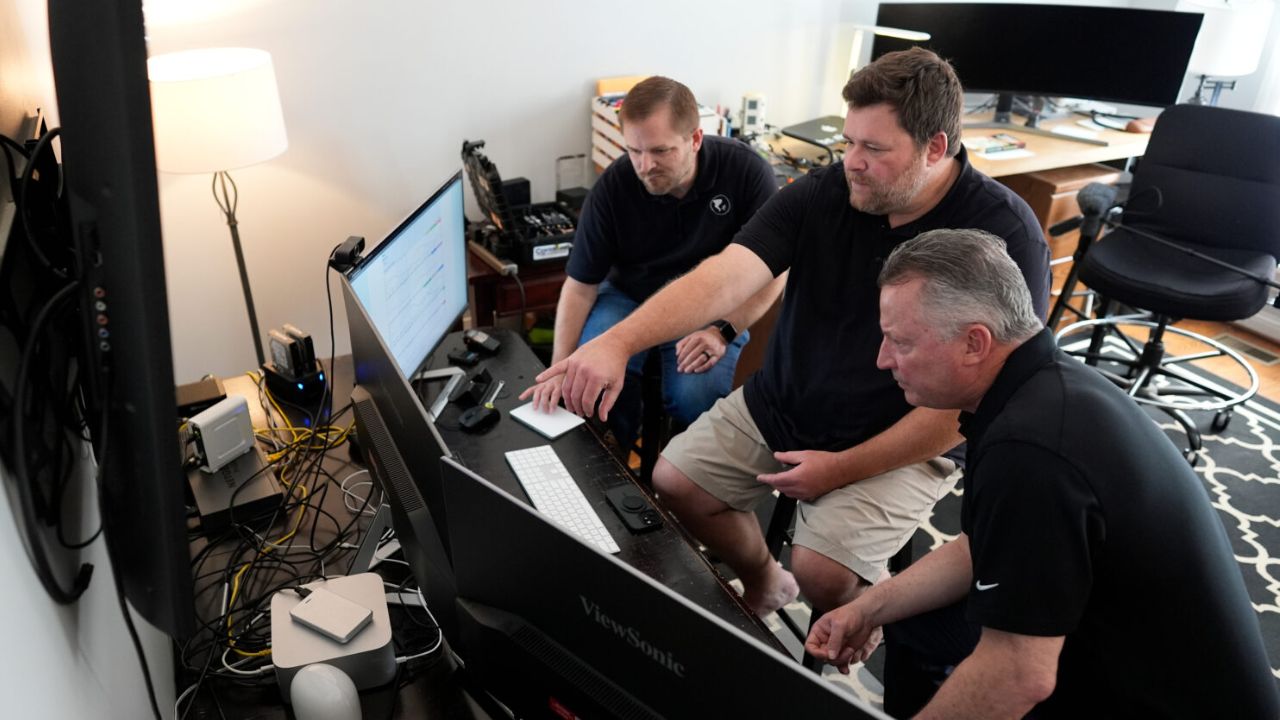
The initiative began more than a decade ago as a Twitter account and blog before expanding into regular YouTube livestreams whenever tornadoes or severe thunderstorms threaten Nashville and surrounding counties.
Because the volunteers live in the same communities they serve, they often experience the same dangerous weather as their viewers.
One of the group’s most recognizable members, church pastor Leeper, even paused a livestream during one storm to wake his family and move them into a safe place before calmly returning once the immediate threat had passed.
A sign displayed behind him during broadcasts reflects the group’s philosophy:
“Prepared not scared.”
Younger Generations Are Changing How They Get Weather Information
Communication experts say Nashville Severe Weather reflects broader changes in how people consume breaking news.
Kevin Trowbridge, who teaches strategic communication at Belmont University, said many of his students now rely on trusted social media sources instead of local television for urgent weather information.
“The millennials and Gen Z — and teaching college students, I know this all too well — their source of information is that handheld device,” he says. “It’s not turning on a TV.”
According to Trowbridge, the group’s authenticity is one reason it has gained such strong public confidence.
“It is authentic and real.”
Trusted Voice During Increasing Tornado Threats
The importance of timely weather information has grown as experts continue to observe shifts in tornado activity across the United States.
Meteorologist Johnstone, who joined Nashville Severe Weather after spending more than three decades with the National Weather Service, said the traditional concept of “Tornado Alley” has gradually shifted eastward.
He noted that parts of Tennessee, Alabama, Mississippi and western Kentucky have experienced some of the nation’s highest tornado activity and storm-related fatalities in recent years.
That changing weather pattern has made reliable, community-focused forecasting increasingly important for residents throughout the region.
Simple Approach Builds Strong Community Trust
Despite attracting a large audience, Nashville Severe Weather has never relied on flashy graphics or dramatic storm chasing to gain attention.
Most livestreams feature weather radar, simple visuals and volunteers broadcasting from their own homes. Their goal is not to sensationalize dangerous weather but to help viewers understand exactly what is happening.
Residents say that straightforward style is what sets the group apart.
Katherine Moffat, executive director of the Tennessee Academy of Physician Assistants, said traditional television weather coverage can sometimes feel overly dramatic during severe storms.
She believes Nashville Severe Weather offers a calmer alternative.
“They’re a little more calm and telling it to you straight. They don’t get people overly excited.”
As severe weather continues to affect Middle Tennessee, Nashville Severe Weather has become more than just a social media account. For thousands of residents, it has become a trusted community resource that proves clear, accurate information can help people stay safe when every minute counts.
Do you rely on local TV, weather apps or community-based weather groups during severe storms? Share your experience and let us know which source you trust most when dangerous weather is approaching.