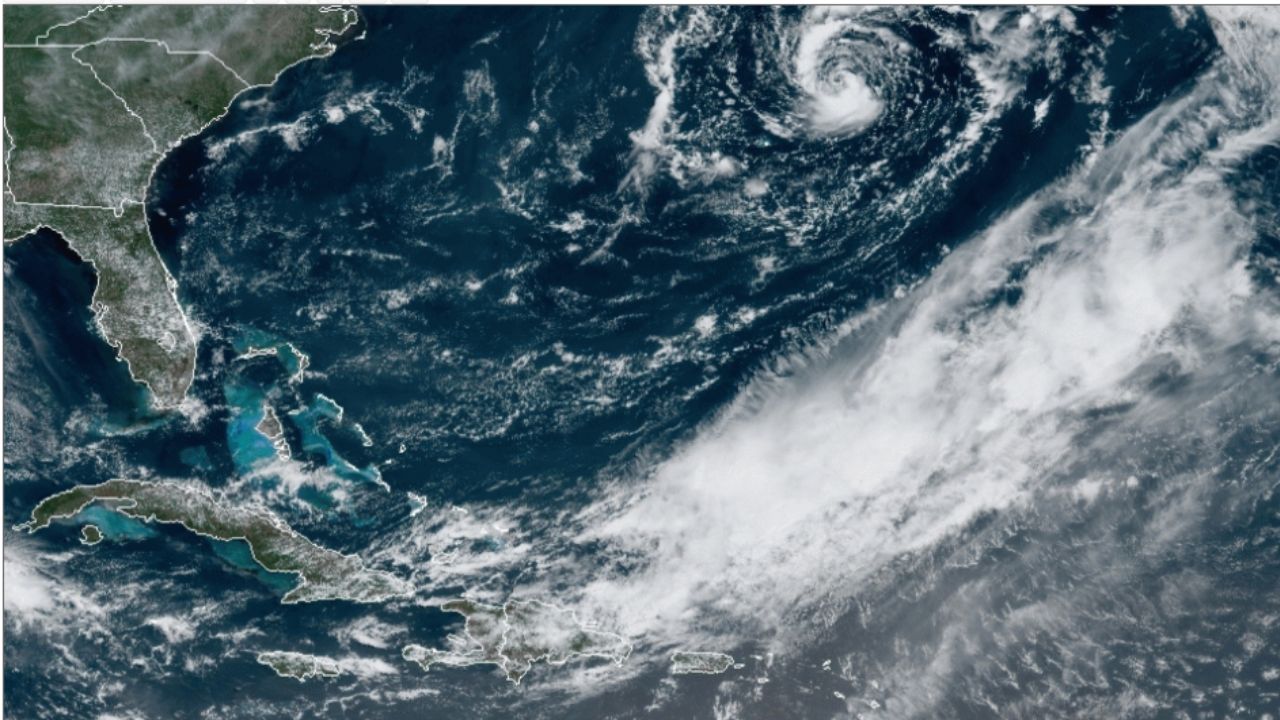
Atlantic Ocean — More than a month into the 2026 Atlantic hurricane season, tropical activity remains unusually quiet, with meteorologists pointing to a strengthening El Niño pattern as the primary reason storms have struggled to develop.
So far, only Tropical Storm Arthur has formed, leaving the Atlantic season behind its typical pace and raising questions about how active the remainder of the hurricane season may become.
While the calm conditions may offer temporary relief for coastal communities, forecasters caution that hurricane season is far from over.
Hurricane Season Running Behind Normal Pace
The Atlantic hurricane season officially began on June 1, but storm development has been noticeably slower than average.
Tropical Storm Arthur, which formed on June 17, became the season’s first named storm—about a week later than the historical average for the first named system.
Normally, forecasters expect the second named storm of the season to develop by June 24, while the third named storm typically forms around July 6.
However, no additional tropical systems have strengthened enough to receive names since Arthur.
The National Hurricane Center also expects the quiet pattern to continue, forecasting no tropical cyclone development during the next seven days.
Strengthening El Niño Suppressing Tropical Development
Meteorologists say one of the biggest reasons for the slow start is the continued strengthening of El Niño, a naturally occurring climate pattern that can significantly influence hurricane activity.
According to long-range outlooks from the Climate Prediction Center, there is an 80% chance of below-average rainfall across the Atlantic’s Main Development Region in the Caribbean.
The drier conditions are accompanied by stronger upper-level winds, which make it much harder for developing tropical systems to organize and intensify.
Forecasters say the current El Niño event appears to be stronger than many early-season predictions suggested. If current trends continue, climate experts believe it could become one of the strongest El Niño events observed since 1950.
Forecasters Still Expect an Active Season
Despite the quiet beginning, experts continue to emphasize that the Atlantic hurricane season still has several months remaining.
Recent seasonal outlooks continue to call for multiple named storms and hurricanes before the season officially ends on November 30.
The National Oceanic and Atmospheric Administration (NOAA) projects:
- 8 to 14 named storms
- 3 to 6 hurricanes
- 1 to 3 major hurricanes
Meanwhile, Colorado State University forecasts:
- 11 named storms
- 5 hurricanes
- 2 major hurricanes
Forecasters note that seasonal predictions reflect activity over several months rather than early-season storm counts.
Areas Still Worth Watching
Although much of the tropical Atlantic remains unfavorable for development, meteorologists say some regions could still see activity during July.
The northern Gulf Coast and waters off the Southeastern United States currently appear to have less hostile atmospheric conditions than the Caribbean.
If tropical systems do develop in the coming weeks, forecasters say those areas may offer the most favorable environment.
Even so, widespread tropical development across the Atlantic basin is expected to remain limited while El Niño continues strengthening.
Quiet Doesn’t Mean Hurricane Season Is Over
Experts stress that a slow start does not guarantee a quiet finish.
Historically, many Atlantic hurricane seasons have remained relatively inactive through June and July before becoming significantly more active during August, September, and October, when ocean temperatures are typically at their warmest.
For now, El Niño appears to be keeping tropical activity in check, but forecasters continue encouraging residents in hurricane-prone areas to review emergency plans and remain prepared throughout the remainder of the season.
Do you think this year’s slow start means the Atlantic hurricane season will stay quiet, or could activity increase later this summer? Share your thoughts respectfully in the comments below.